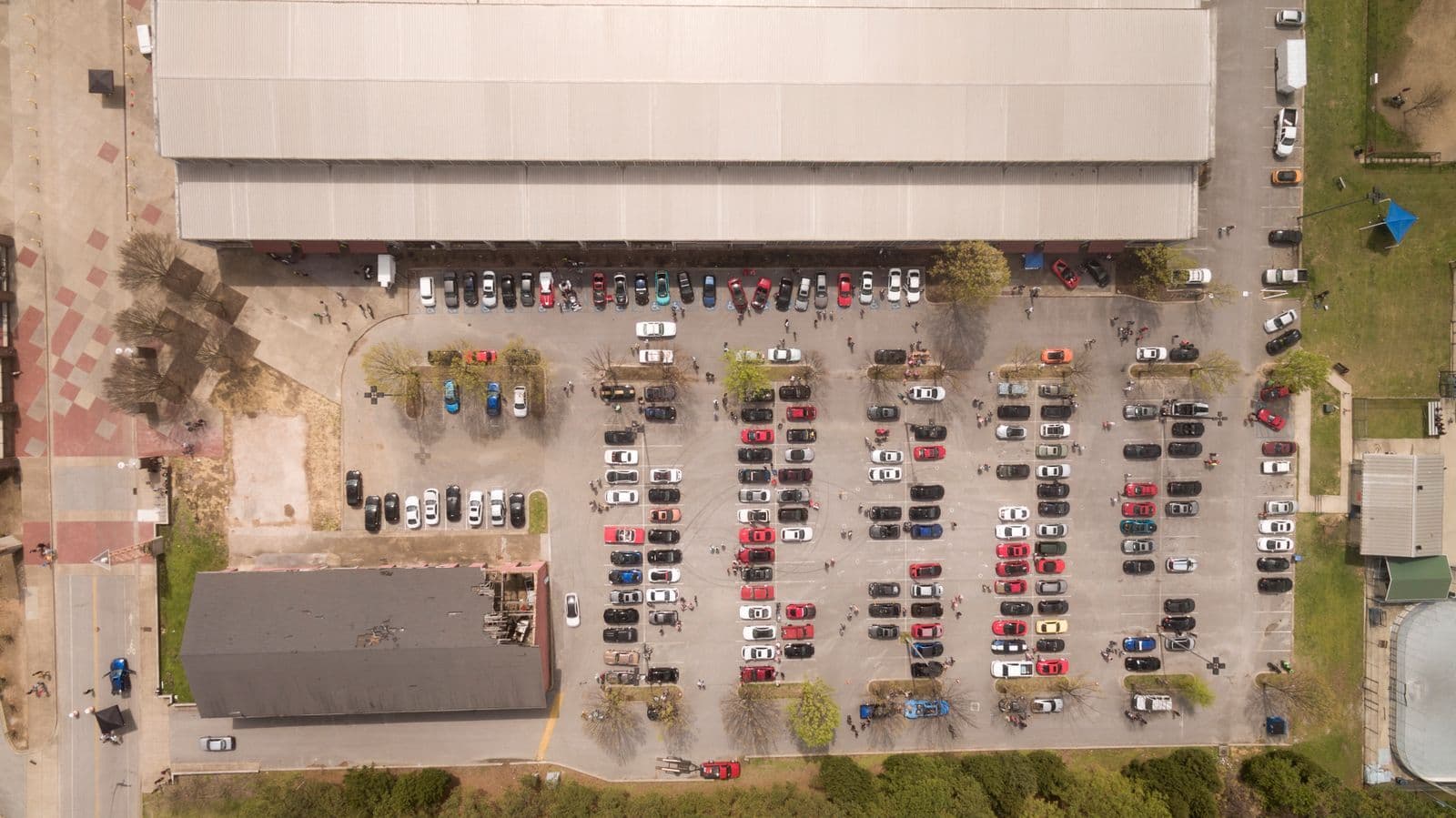
Australian car culture in August 2026 is not being lived on spec sheets. It is being lived in carparks, in comment threads about kangaroo damage, and in the awkward days after a private sale when the buyer messages back.
Here is what the last month of conversation actually looked like, and what it says about owning, buying and selling a car here.
The carpark is the venue
The single most-discussed Australian car post of the month was not a review or a launch. It was a photograph of a mis-badged Mitsubishi in a Bunnings carpark, posted to r/CarsAustralia, which collected more than 2,300 upvotes and a comment section that read like a national sport. One reply summed up the mood: "Probably put outback in the ai prompt instead of outlander."
The same energy runs through the rest of the month's most-shared threads. A weekly Sunday car-spotting roundup from Double Bay. A Nissan Pulsar posted with genuine affection. A before-and-after on a BMW E30. None of it is aspirational supercar content. It is people documenting the cars actually parked around them.
If you are selling a car in Australia, that is a useful signal. The audience that cares most is not looking for a brochure. It is looking for real photos of a real car in a real place.
Hitting a kangaroo is a genuinely Australian ownership cost
One thread this month drew 1,202 upvotes and 500 comments: a driver who hit a kangaroo at 110km/h.
What is telling is how quickly the discussion turned practical rather than sympathetic. Within a few replies the thread was pricing the repair - "safe to say it will cost more to fix than what your excess would be" - and getting specific about parts, with one commenter noting that on a late-2010s model with LED headlights, the headlight alone runs to about five thousand dollars from the dealer.
No overseas car community has this conversation. Animal strikes are a routine part of the Australian ownership equation, and they sit behind a lot of otherwise puzzling local behaviour: bullbar fitment on suburban cars, the premium buyers place on regional-versus-metro history, and why a country-driven car sometimes carries damage its odometer does not explain.
If you are buying privately, it is worth asking directly whether a car has had an animal strike repaired, and checking panel and light-housing fitment at the front.
Private selling is where the stress is
Three separate threads in a single month covered the same theme from different angles: a seller whose Facebook Marketplace buyer came back claiming a fuel fault after the sale, a seller trying to work out why their listing was not moving, and a widely shared post about the sheer emotional toll of selling a car.
Buyers are not having an easier time. Another thread this month came from someone who felt taken advantage of buying from a branded dealership.
Consumer warnings match what the threads describe. The ACCC has flagged a set of recurring patterns aimed at this market, including buyers or sellers who claim to be defence personnel about to deploy, sellers using a divorce settlement as the reason for a quick sale, requests for the seller to arrange and pay transport costs that are never reimbursed, and pressure to pay for a car sight unseen.
The practical defences have not changed:
- Do not release a car or transfer a plate before funds have genuinely cleared in your account.
- Do not pay a deposit on a car you have not physically inspected.
- Meet in daylight, in a public place, and take someone with you.
- Complete the transfer through your state road authority rather than by private agreement, and keep the paperwork.
- Run a PPSR check before money moves.
Enforcement and enthusiasm are both scaling up
On 11 August, Greater Dandenong Highway Patrol officers stopped a burnout in front of spectators at Keysborough. According to police, a 26-year-old driver was arrested after attempting to leave in another vehicle and will face around twenty charges, a second vehicle was identified on CCTV, both cars were impounded at a cost of more than a thousand dollars, and fines were issued to spectators as well as drivers and passengers.
That is worth reading carefully if you attend car meets. Under Victoria's anti-hoon provisions, police can impound or immobilise a vehicle for 30 days where they have reasonable grounds to believe a hoon offence has occurred - a power extended from 48 hours back in 2011. Spectators are not automatically bystanders in the eyes of the law at an event like this.
The sanctioned end of the same enthusiasm is enormous and completely legal. Summernats 39 runs from 7 to 10 January 2027 at Exhibition Park in Canberra, with burnout competitions, street drags, drifting and what organisers describe as Australia's largest automotive trade show. The appetite is not in question. Where it is expressed is.
Money is moving in two directions at once
Two threads ran in the same week and pointed opposite ways.
At the mainstream end, a widely discussed piece on luxury buyers trading down to mainstream brands drew 676 upvotes and 344 comments, alongside a separate thread arguing the high-end market is deflating. Locally, the same squeeze surfaced as a question about whether used vans in Australia still represent value for money.
At the collectible end, a Ferrari Luce "Chassis 0" - an electric Ferrari - sold for 40 million dollars at RM Sotheby's Monterey auction, beating a McLaren F1 GTR that made 34.6 million on the same evening.
Both things are true at once. Ordinary buyers are being more careful with money, and genuinely rare cars are still setting records. For anyone selling a mainstream car privately right now, the first of those two facts is the one that matters: buyers are cost-sensitive, comparison-shopping harder, and slower to commit.
The EV conversation has become an arithmetic argument
The most-discussed electric vehicle item of the month was not a product launch. It was a study published in Science finding that swapping even a two-year-old petrol car for an EV produces roughly a 50 per cent lifetime emissions saving.
That is a notable shift in framing. The local EV discussion has largely moved from identity to numbers, and it is happening alongside, not instead of, the performance scene. The same month carried an enthusiastic thread about the new Aston Martin V12.
The Australian performance community itself remains split much as it has been since local manufacturing ended - one camp built around large-capacity V8s and the GM LS platform that Holden left behind, another around European turbocharged engineering. Neither is going anywhere.
What it adds up to
Australian car culture right now is unglamorous in the best sense. The most engaged conversations are about a badge on a wagon, a five-thousand-dollar headlight, a Marketplace buyer who went quiet, and whether a used van still stacks up.
For anyone buying or selling here, the useful reading is straightforward. Photograph the car honestly and in a real setting, because that is what this audience responds to. Ask about animal strikes. Verify the person on the other end of the transaction before any money moves. And if you enjoy the loud end of the hobby, understand exactly where the legal line sits, because the impound fee and the charge sheet are both real.