Search for the cheapest way to sell a car in Australia and almost everything on the first page belongs to a business that wants to buy your car. Which is a bit like asking a barber whether you need a haircut.
So here's the itemised version. Some of these costs are yours, some are the buyer's, and the biggest one depends entirely on which state you're in.
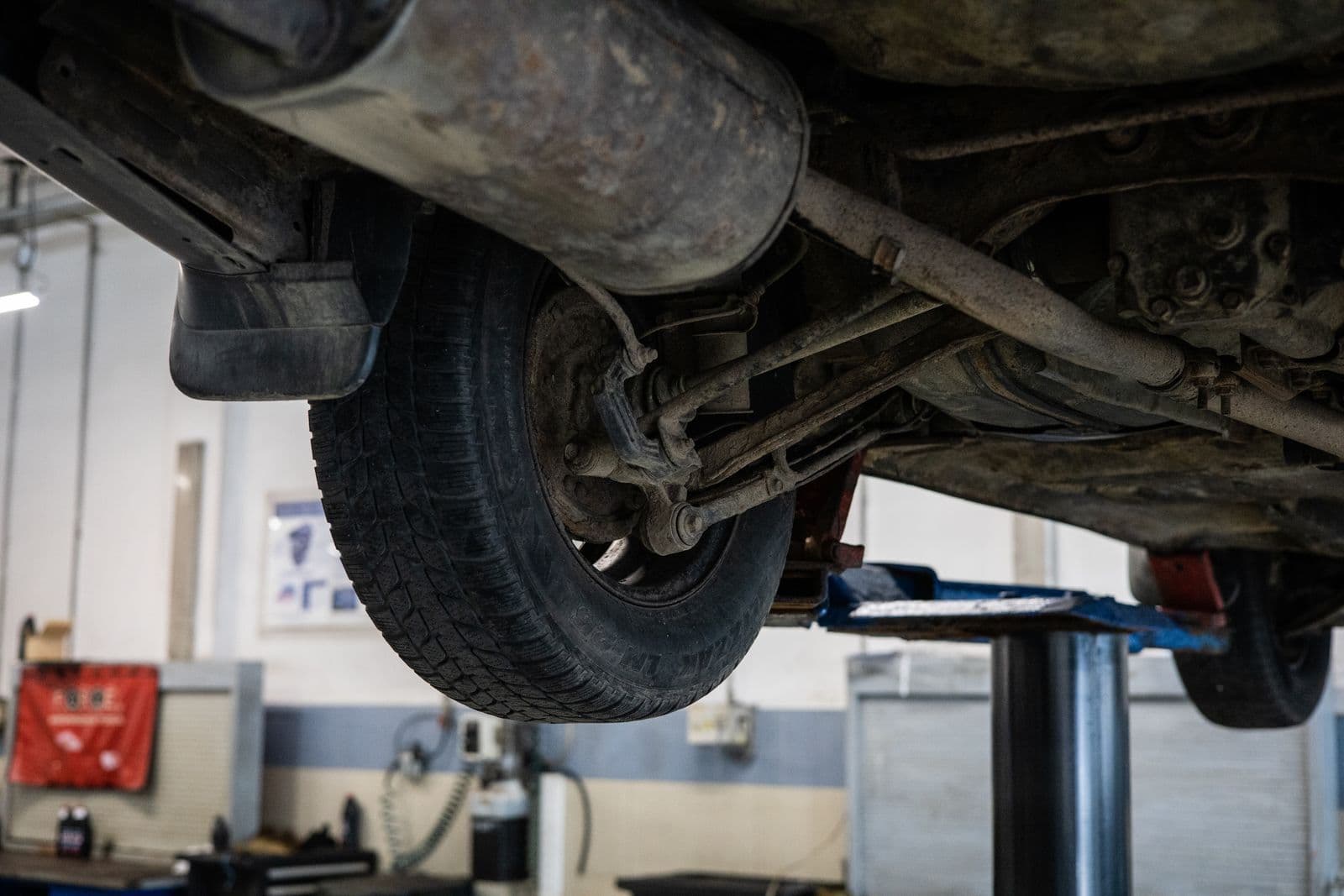
The advertising fee is usually the smallest line on the list. The cost that actually moves the number is the inspection certificate — if your state makes you supply one.
Costs that are yours
The inspection certificate — nothing, or a few hundred dollars
This is the biggest variable in the whole exercise, and it's decided by geography.
Victoria (opens in a new tab) requires the seller to supply a Certificate of Roadworthiness less than 30 days old — so in Victoria this is unavoidably your cost. Queensland (opens in a new tab) requires a safety certificate to complete the sale. The ACT (opens in a new tab) requires an inspection for vehicles over six years old. The Northern Territory (opens in a new tab) requires one for light vehicles seven years and older — but either party can obtain it there, which is worth negotiating.
In New South Wales (opens in a new tab), Western Australia (opens in a new tab), South Australia (opens in a new tab) and Tasmania (opens in a new tab), no inspection is required to sell a registered light vehicle. That's a genuine saving, and it's why cost-of-selling advice written for one state misleads in another.
Prices vary by tester and by vehicle. Get a local quote rather than trusting a figure quoted online, including here.
Repairs to pass it — unpredictable, and only in some states
Only relevant where a certificate is required, and the honest answer is that you don't know until it's inspected. This is the line that turns a straightforward sale into a decision about whether to sell at all.
Advertising — nothing to a few hundred
Varies enormously by platform. Some Australian marketplaces charge a one-off fee that scales with the car's value, some charge a flat fee, some charge nothing. Our platform comparison has the reported fees for each with sources and dates — check there rather than relying on a number in a general article, because these change.
Presentation — nothing to a few hundred
Optional, and the one discretionary cost with a plausible return. A professional detail isn't required; a clean car photographed in daylight does most of the work. Judgement call, not a rule.
A PPSR certificate — a few dollars
Optional for a seller. Buyers are advised to run their own PPSR check (opens in a new tab), but running one yourself and mentioning it in the ad removes the biggest single source of buyer hesitation. Cheap, and it saves conversations.
Costs that are the buyer's — but shape your price
Not your bills. Pretending they're irrelevant would be dishonest, because a buyer prices them into what they'll offer.
The transfer fee
Paid by the buyer, and the spread is wide: the Northern Territory (opens in a new tab) at $20 and Western Australia (opens in a new tab) at $20.50 sit at the low end; the ACT (opens in a new tab) at $51.70 is at the top of the range, and it adds a substantial non-refundable fee if the transfer is lodged late. Queensland (opens in a new tab), South Australia (opens in a new tab), Tasmania (opens in a new tab) and Victoria (opens in a new tab) sit between. New South Wales (opens in a new tab) indexes its fees periodically — read the current figure there.
Stamp duty or vehicle duty
Paid by the buyer, and the basis of the calculation differs by state in ways that genuinely surprise people:
- New South Wales (opens in a new tab) — per $100 of value, with a higher rate above a threshold
- Victoria (opens in a new tab) — per unit of value, with different rates by vehicle class
- Queensland (opens in a new tab) — by engine cylinder count, so a four-cylinder and a V8 of identical value pay different duty
- Western Australia (opens in a new tab) — a sliding percentage of value
- South Australia (opens in a new tab) and Tasmania (opens in a new tab) — value bands, with different rates by vehicle type
- The Northern Territory (opens in a new tab) — a flat 3%
- The ACT (opens in a new tab) — banded by the vehicle's CO₂ emissions, not value alone, and recently revised
Rates change, sometimes more than once a year. Read the current figure on the state's own page — this is exactly the number that goes stale in third-party articles.
What you don't pay
Commission. There's no agent in a private sale. That's the structural reason a private sale usually nets more than a trade-in or an instant offer.
Tax, in ordinary circumstances. Selling a car you used personally isn't generally a taxable event for an individual in Australia. That changes if the vehicle was a business asset, if you claimed deductions on it, or if you're selling often enough to be trading. If any of that might describe you, ask an accountant or check the ATO (opens in a new tab) rather than taking a web page's word for it — including this one.
The cost nobody itemises: time
A private sale takes longer than an instant offer, and the gap is the real trade.
Instant-offer services and dealer buy-now flows typically resolve within a couple of days. A private sale realistically takes weeks — fielding messages, arranging inspections, being stood up by no-shows.
That's the honest calculus. A private sale usually nets more; an instant offer resolves faster with less effort. If you need the car gone this week, the private route may not be cheaper once you price your own time. Our comparison of the selling options covers what each approach involves.
Adding it up
In NSW, WA, SA and Tasmania, a private sale can cost you almost nothing: no inspection required, and presentation is optional. The buyer covers the transfer and duty.
In Victoria, Queensland, the ACT and the NT, add the inspection certificate — and the possibility of repairs to pass it — as a seller cost you can't design around. In Victoria it's unambiguously yours; in the NT you can at least negotiate who obtains it.
Either way, the advertising fee is usually the smallest line on the list.
What this means if you're selling on MotorLoop
Listing a car on MotorLoop is free — no upfront ad package and no paid tiers. That takes the advertising line off the list above. Everything else is between you, your buyer and your state.