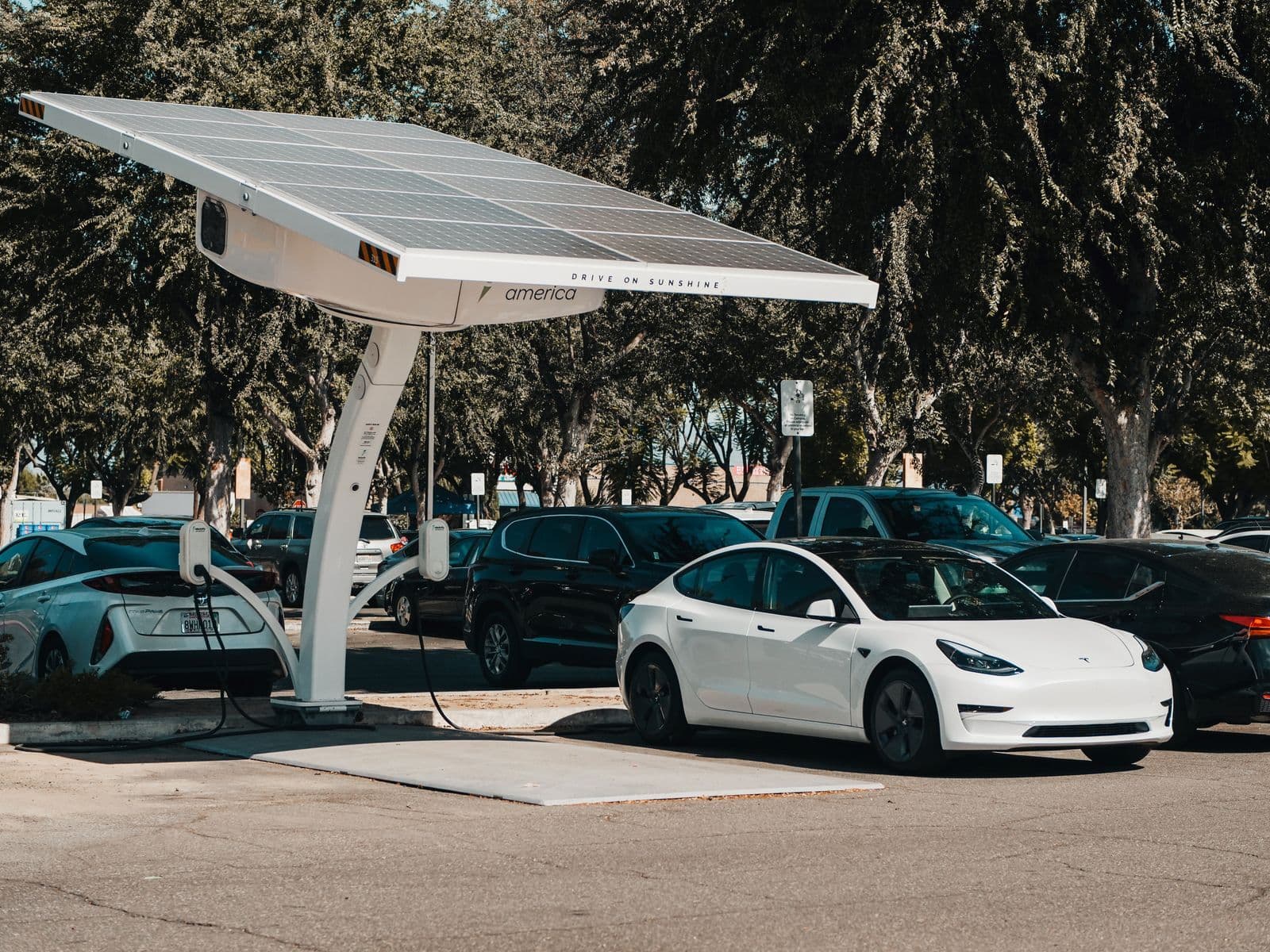
Battery electric vehicles made up 21.7 per cent of new vehicle sales in Australia in July 2026, the second consecutive month above one fifth of the market. The Federal Chamber of Automotive Industries published the figures on 5 August.
- BEV sales, July 2026
- 23,510
- Share of the market
- 21.7%
- Year to date BEV share
- 17.3%
- New vehicles delivered
- 103,656
- Published
- 5 August 2026, FCAI
What changed
The FCAI reported (opens in a new tab) 103,656 new vehicles delivered during July 2026, ahead of the previous July record of 103,097 set in 2025. Battery electric vehicle sales from all reporting sources totalled 23,510 for the month, which the FCAI puts at 21.7 per cent of the entire market. That share is calculated across all reporting sources, a wider base than the 103,656 figure.
Year to date, the FCAI reports 127,244 BEVs purchased, or 17.3 per cent of the total market.
FCAI chief executive Tony Weber said July "delivered the best July result on record", and that battery electric vehicles "accounted for more than one in five new vehicle sales".
What it means if you're buying or selling
New registrations are what fills the used market three to five years later, so a month at a fifth BEV share says more about the used listings of the early 2030s than about this weekend's. What it changes sooner is narrower: as more battery electric cars reach the road, more of them get traded, and the questions a private buyer asks about a used EV - battery state of health, charging history, how much of the battery warranty is left - apply to a growing share of listings.
These are national new-vehicle delivery figures. They do not report used prices, and we would not read a resale forecast into them.
If you are looking at a second-hand EV, our guide to buying a used electric car (opens in a new tab) covers what to check and what to ask for.
A used EV's remaining battery warranty is usually shorter than the headline vehicle warranty and can be voided by ride-share or hire use, so read the terms rather than the marketing.