Australia still has no national road charge for electric cars, and as of mid-November 2026 nobody in Canberra will say when it will have one. The latest push came on 4 November, when Tesla told a federal Senate inquiry (opens in a new tab) it wants a per-kilometre charge that sits alongside fuel excise rather than replacing it. Our view is simple: heavy EVs use the same roads as everyone else and should pay their way, but whatever gets built must not turn into a tracking device.
Petrol and diesel drivers already pay for roads every time they fill up. EV drivers mostly don't. That gap gets wider every month, because battery EVs reached 23.1 per cent of new vehicle sales in October (opens in a new tab), up from 7.3 per cent a year earlier.
EV road charging in Australia, November 2026
- National charge
- None yet, no start date
- Fuel excise
- 52.6 cents a litre, restored 3 August 2026
- NSW plan
- EV charge due from July 2027
- Victoria's old charge
- Struck down by the High Court, October 2023
- New Zealand light EVs
- NZ$76 per 1,000 km since April 2024
Where Canberra is right now
The short answer is: still talking. CarExpert reported in April that the charge, previously expected in the May 2026 federal Budget ahead of a 2028 start (opens in a new tab), had gone on hold. Transport Minister Catherine King told ABC Insiders it "may not be the time for it right now" and that it would have to be legislated through parliament. The same report notes that options floated included annual mileage reporting or in-car GPS tracking.
By August the line had shifted again. Climate Change and Energy Minister Chris Bowen told the National Press Club that the government is still working towards a road user charge, with no start date (opens in a new tab), and that the amount, the vehicles covered and how it would be calculated were all undecided.
Then came the submissions. In its 4 November response to the Select Committee on Productivity, Tesla proposed a cents-per-kilometre charge (opens in a new tab) for vehicles registered from a future date, such as January 2030, with fuel excise kept in place. The same report says the Australian Electric Vehicle Association backs a universal charge based on weight and annual distance at around 3 cents a kilometre, phased in. Polestar's local boss Scott Maynard has called an EV-only charge a "thinly veiled tax" (opens in a new tab).
It's worth noticing who benefits from Tesla's version. A company that sells only EVs is asking for a charge on new cars from 2030 while petrol drivers keep paying excise on every litre. We'd treat that as a lobbying position rather than a neutral design.
Petrol drivers already pay per litre
Fuel excise is the road charge most Australians have paid all their lives without thinking about it. It is collected at the bowser, it rises with how far and how hard you drive, and it needs no app, no logbook and no GPS. When the temporary cut ended, the full rate of 52.6 cents a litre returned on 3 August 2026 (opens in a new tab), after the federal government had halved it from 1 April in response to record pump prices.
So a petrol driver is already paying a usage-based road charge, and has been for decades. An EV driver using the same freeway, the same council road and the same potholed regional highway is not. In our view that isn't a fair split, and it gets less fair as more EVs arrive.
A petrol driver already pays a road charge every time they fill up. It needs no app and no GPS.
Why Victoria's charge was thrown out
Victoria tried first. Its Zero and Low Emission Vehicle Distance-based Charge Act 2021 imposed a per-kilometre charge on EVs and plug-in hybrids, and in October 2023 the High Court, by a 4 to 3 majority, held it invalid as a duty of excise (opens in a new tab) under section 90 of the Constitution, which reserves excise to the Commonwealth. The case was Vanderstock v Victoria. MinterEllison notes that the court overruled earlier precedent and widened what counts as an excise to a tax on goods at any stage, including their use. CarExpert reports that Victoria repealed the charge and refunded the money (opens in a new tab).
The practical result is that a state-run EV charge sits on shaky ground. MinterEllison's view is that similar state schemes are likely to be abandoned and that any Commonwealth charge would probably need to apply uniformly across the states.
NSW hasn't given up. Its charge, legislated by the previous parliament, is due to start in July 2027 (opens in a new tab) at a little over 3 cents a kilometre for EVs and 2.4 cents for plug-in hybrids, with forecast revenue of $440 million over three years. NSW Treasurer Daniel Mookhey has said the state prefers a national scheme but will proceed without one, has legal advice it won't release, and has floated the Commonwealth referring its powers to NSW. The same report says the state hasn't yet decided how it will collect the money.
Heavy cars, the same roads
This is where we land, and it's our view rather than a measurement. A road charge should follow two things: how far you drive and how heavy your vehicle is. We believe battery packs make many EVs heavier than the petrol cars they replace, and we think heavier vehicles should pay more for the wear they put on our roads. A charge that ignores weight would, in our view, let the heaviest cars off lightly. Polestar has argued for a weight-based charge for all vehicles (opens in a new tab), and on that narrow point we agree with an EV maker.
We also think the charge should be honest about its purpose. If it's about paying for roads, it should replace part of what excise does for EVs, not stack a new tax on everyone. Tesla's idea of keeping full excise on petrol cars and adding a per-kilometre charge to new ones would, in our reading, make the person in the older petrol car pay twice once their car is replaced.
Whatever we build must not track you
Here is the part we feel most strongly about. CarExpert reported that the options under discussion included in-car GPS tracking (opens in a new tab). We think that would be a mistake. A road charge needs one number a year, the distance on your odometer. It does not need to know where you went, when, or how fast.
That fits a worry we've raised before: modern cars already report back to their makers (opens in a new tab), and a government charge that leans on that connection would make your car a compliance device as well. An odometer reading at rego time, checked at inspection or service, does the job without building a location log of every driver in the country.
New Zealand: done properly
New Zealand shows the idea can work without fuss. Light EVs there lost their exemption and have paid road user charges since 1 April 2024: NZ$76 per 1,000 km for battery EVs and NZ$38 for plug-in hybrids (opens in a new tab), the same system diesel vehicles have long used. CarExpert NZ reports about 107,000 EV owners now pay it, many more than NZ$1,000 a year at around 14,000 km, and that the 2026 Budget left the rates unchanged. Owners buy it online or over the counter, with a small admin fee.
The bigger change is coming. The same report says New Zealand plans to move petrol vehicles off fuel excise and onto distance-based charging too, with legislation and operational changes starting in 2026 and an electronic system opening to third-party providers in 2027. Transport Minister Chris Bishop called it "the biggest change to how we fund our roading network in 50 years". In April, CarExpert described the plan (opens in a new tab) as a distance- and weight-based charge for all vehicle types by 2027.
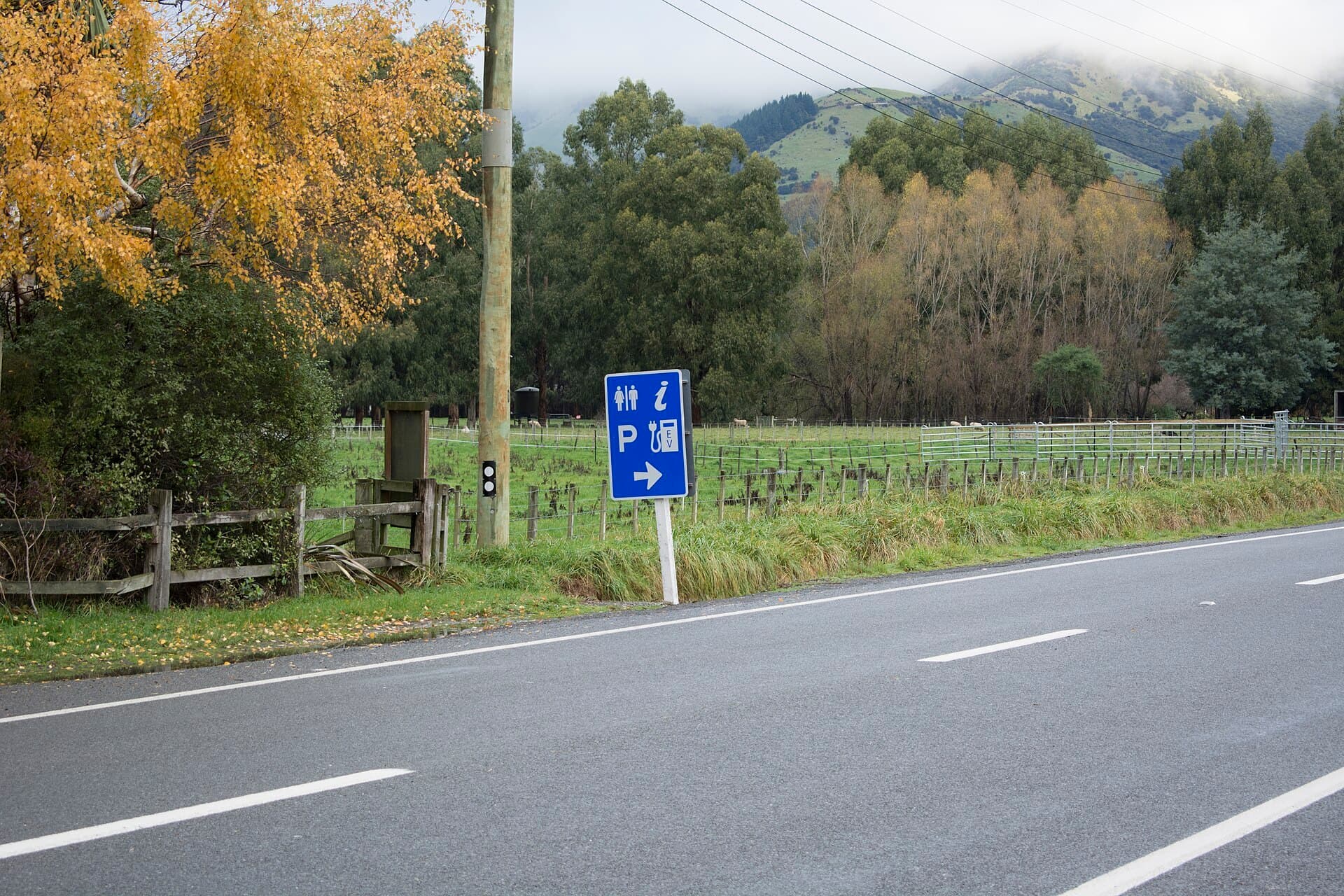
What we like about New Zealand's approach is that it treats EVs like every other vehicle rather than as a special case, either for a subsidy or for a penalty. What we'd watch is the electronic version: a third-party provider logging distance is fine; one logging location is the thing to avoid.
The world view
New Zealand is the clearest example, but the pressure is the same everywhere. As more drivers switch to battery cars, governments that fund roads from fuel tax watch the revenue shrink. Fuel excise was always a road charge in practice; EVs simply expose that it only works while nearly everyone buys fuel.
What it means if you're buying or selling
Buying an EV now. Budget for a road charge in the running costs. NSW has a law aiming for July 2027, and the federal government says it is still working on one. If you're comparing an EV with a hybrid or petrol car over five years, add something like 3 cents a kilometre to the EV, the rate both NSW and the AEVA have floated, to see whether the sums still work. Our guide to EV stamp duty and registration concessions (opens in a new tab) shows how many of the earlier incentives have already closed.
Buying used. A road charge would apply to used EVs too, unless a scheme like Tesla's exempts older cars. That uncertainty is one more reason used EV prices are hard to call.
Selling. If you're selling an EV, you can't promise a buyer the running costs will stay where they are. Be straight about it. If you're selling a well-kept petrol or hybrid car, the excise you already pay is a known cost, and known costs are easier to plan around. You can buy, sell & show cars on MotorLoop, and it's free.
Our take
We think EVs should pay for the roads they use. Petrol and diesel drivers already do, through the bowser, and in our view the heavier the car, the more it should count. Victoria's attempt failed on constitutional grounds, not on fairness, and the fairness argument hasn't gone away.
But we want it done the New Zealand way: a charge on distance and weight, applied to everyone eventually, measured from the odometer. Not a new tax stacked on petrol drivers to suit one carmaker's sales pitch, and not a GPS box that tells someone in an office where you drove on Saturday. Australia has had three years since the High Court ruling to work this out. A simple answer is sitting across the Tasman.
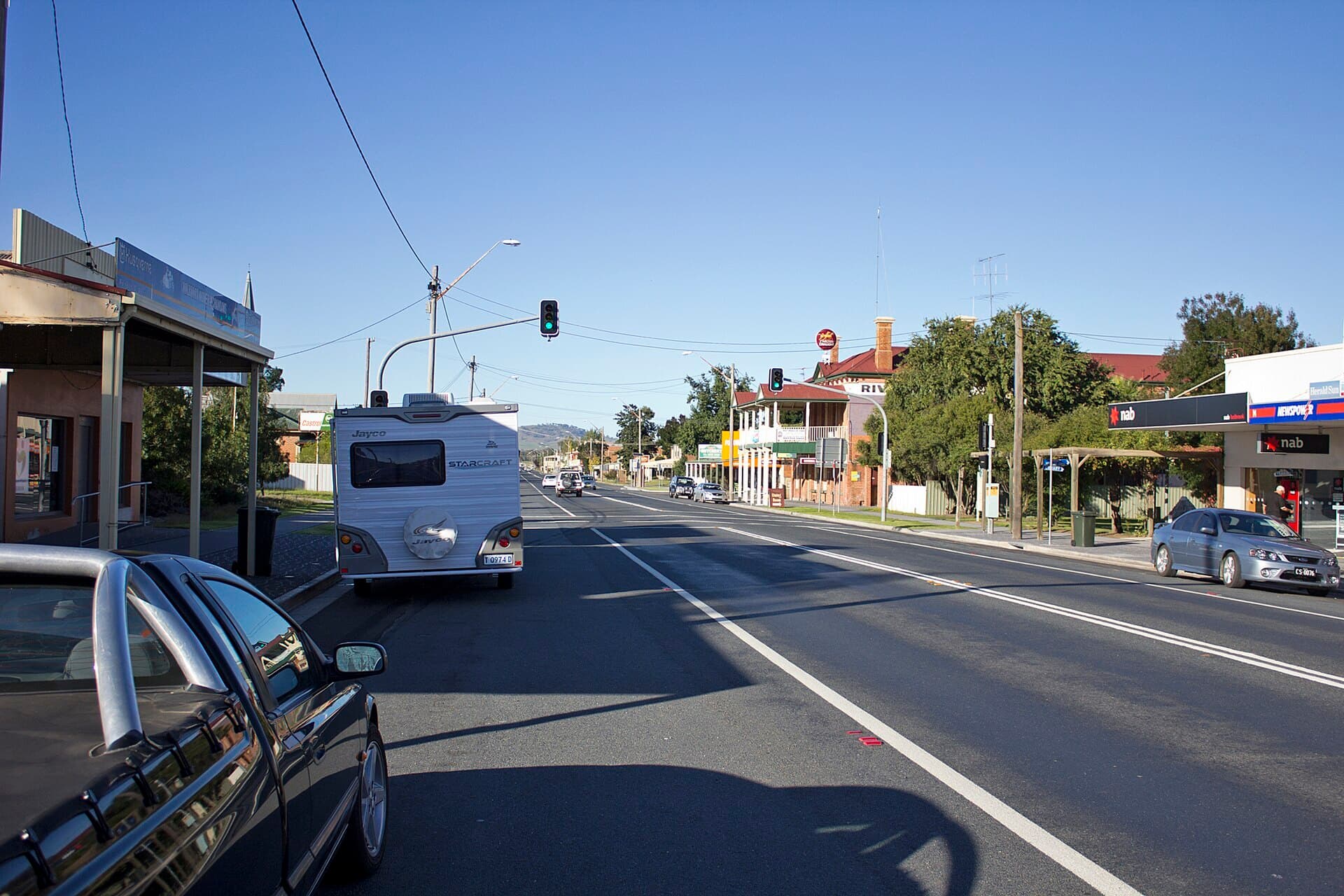
Header photo: Bidgee (opens in a new tab) via Wikimedia Commons, CC BY-SA 3.0 AU (opens in a new tab).
Related
- The summer road trip test: regional EV charging has grown up, but it still isn't a servo network (opens in a new tab)
- Coalition vows to scrap the NVES. What repeal would and wouldn't change for car buyers (opens in a new tab)
- Your car can sell you features it already has. The next owner may not get them (opens in a new tab)
- EV stamp duty and registration concessions by state (opens in a new tab)