On 26 August 2026 a litre of diesel cost 248.8 cents in Sydney and 316.2 cents in Coober Pedy. Regular unleaded was 202.7 in Brisbane and 260.9 in Weipa. Every one of those litres was taxed at the same 53.7 cents of excise and bought against the same Singapore benchmark. The 60-cent difference is freight, volume, competition and time, and this guide explains each of them, lists the towns that pay the most and least, and sets out what you can actually do about it.
Prices are ACCC daily averages on 26 August 2026 from the 28 August weekly fuel price monitoring report, which covers the eight capitals and more than 190 regional locations.
The headline gap
Across the more than 190 regional locations the ACCC monitors, the aggregate regular unleaded price on 26 August was 211.4 cents per litre against 205.5 across the five largest cities, a gap of about 6 cents. For diesel it was 255.7 regional against 250.2 city, about 5.5 cents. Averaged nationally, then, the regional premium is modest. The averages hide the structure: a large number of regional centres sit at or below their capital, and a small number of remote towns sit far above it.
Regional towns that were cheaper than their capital
- NSW: Oberon 195.9, Wagga Wagga 197.3, Nowra 198.1, Muswellbrook 198.8, Wauchope 199.5, Newcastle 201.7 (Sydney 203.1).
- Victoria: Lakes Entrance 201.7, Moe 202.0, Benalla 202.0, Ballarat 202.7, Echuca 202.9, Geelong 203.7 (Melbourne 206.7).
- Queensland: Roma 197.3, Innisfail 200.2, Dalby 200.6, Maryborough 200.6, Hervey Bay 201.7, Bundaberg 202.0 (Brisbane 202.7).
- South Australia: Mount Gambier 201.7 (Adelaide 203.5).
- Western Australia: Bunbury 200.1, Busselton 202.8, Kalgoorlie 205.6 (Perth 196.9 on Tuesday, 211.5 on Wednesday).
These are large regional centres with multiple competing sites, often including an independent or a supermarket-aligned operator, and they are close to a terminal or on a major freight corridor. They also do not run price cycles, so on a day when the capital is near the top of its cycle the regional centre looks cheap.
Regional towns that pay the most
Regular unleaded, 26 August:
- Broome, WA: 265.4
- Weipa, Qld: 260.9
- Coober Pedy, SA: 255.7
- Port Hedland, WA: 244.9
- Carnarvon, WA: 237.9
- Longreach, Qld: 237.7
- Tennant Creek, NT: 236.9
- Cunnamulla, Qld: 235.4
- Ceduna, SA: 233.4
- Normanton, Qld: 232.9
- Alice Springs, NT: 232.3
- Mount Isa, Qld: 232.2
- Blackall, Qld: 231.9
Regular diesel:
- Coober Pedy, SA: 316.2
- Weipa, Qld: 296.9
- Broome, WA: 283.8
- Tennant Creek, NT: 276.1
- Corryong, Vic: 272.9
- Carnarvon, WA: 272.5
- Yarrawonga, Vic: 272.1
- Ceduna, SA: 271.0
- Normanton, Qld: 270.1
- Forster, NSW: 269.2
- Longreach, Qld: 268.2
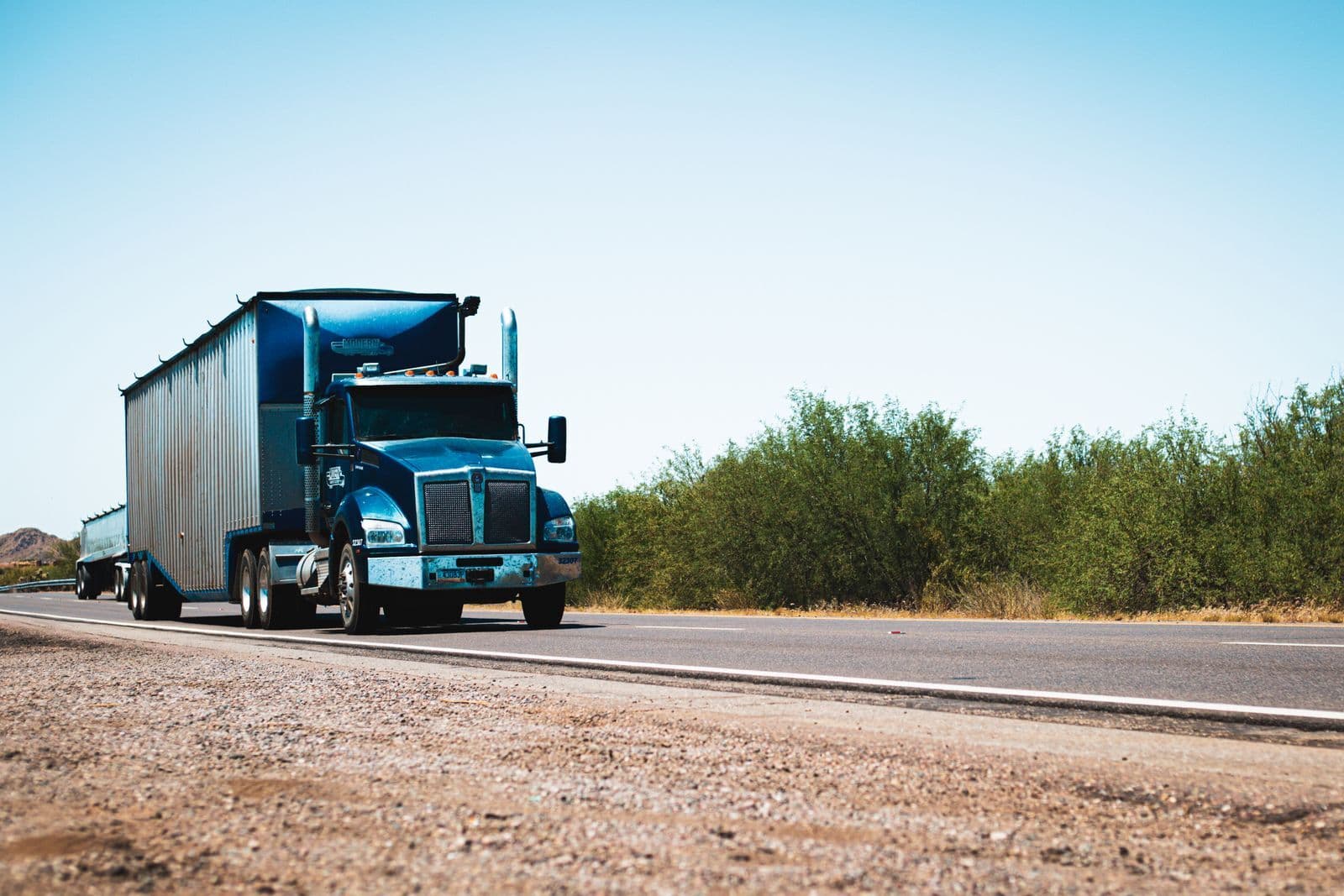
The pattern is geographic. The Kimberley, Pilbara, Cape York, the Gulf, the Channel Country, the Nullarbor edge and the Stuart Highway corridor are all a long road-train haul from the nearest terminal, and most have one or two sellers. Corryong and Yarrawonga in Victoria's north-east show that the effect is about isolation and competition, not just outback distance.
Why remote fuel costs more
Freight. Fuel leaves a coastal terminal on a road train and every kilometre adds cost. Broome is about 2,200 km by road from the Kwinana import terminal south of Perth; Weipa's fuel comes by sea and then road.
Volume. A remote roadhouse sells a fraction of a metro site's volume. Fixed costs, staff, tank compliance, power and insurance, are spread across far fewer litres.
Competition. In a capital city a retailer that prices high loses customers to the site across the road. In a one-servo town there is no across the road. The ACCC's regional monitoring consistently shows that the arrival of a second or third operator, particularly an independent, is the single biggest downward force on a town's price.
Time lag. Remote sites replenish slowly, so they carry stock bought weeks ago. When wholesale prices rise, they pass it on late; when prices fall, they pass that on late too. The ACCC's report on the excise restoration noted that of the 190-odd regional sites, most saw increases within the 10 to 18.8 cent band expected from the tax change, but a handful, including Tennant Creek (23.1), Moama (23.3), Cunnamulla (21.0) and Broome (20.9), rose by more, and some rose by less, both reflecting when their tanks were last filled rather than any local conspiracy.
No price cycle. Regional prices do not sawtooth. That removes the cheap-day opportunity city drivers have, but it also means regional prices are steadier, and on a given day can be well below a capital at its cycle peak.
What a regional driver can do
- Fill in the regional centre, not the roadhouse. The gap between Bunbury and Broome, or Roma and Cunnamulla, is 30 to 60 cents. Plan long trips around the big towns.
- Use the state app on the road. FuelCheck NSW, FuelWatch WA and MyFuel NT cover every registered site in their states, including the ones in the middle of nowhere; PetrolSpy covers the rest and relies on crowd reports in places with no mandatory scheme.
- Fill up before the border. State schemes stop at the line, and prices can step up or down sharply across it; Albury (203.3) and Wodonga (208.1) were 5 cents apart on the same day.
- Carry a jerry can on remote routes, not to chase price but to avoid paying whatever a roadhouse asks when you have no choice.
- Watch diesel more closely than petrol. The diesel premium over petrol in remote areas is larger, because remote demand is dominated by mining, agriculture and road transport, and diesel does not benefit from the competitive pressure of city price cycles.
Is regional pricing unfair?
The ACCC investigates regional pricing regularly and has the power to act on collusion. Its consistent finding is that higher regional prices are explained by the factors above rather than by illegal conduct, and that the most effective remedy is more competition, which is why state governments have leaned on transparency schemes. Where a town's price is persistently out of line with its neighbours, the ACCC's weekly report makes that visible, and drivers can vote with their wheels.
FAQs
Which regional town has the most expensive fuel in Australia?
On 26 August 2026 it was Broome for petrol (265.4) and Coober Pedy for diesel (316.2). Weipa was second on both measures.
Are regional prices always higher than city prices?
No. Many regional centres, including Wagga Wagga, Roma, Bunbury and Mount Gambier, were cheaper than their capital on the same day. The premium is concentrated in remote and single-operator towns.
Why did my town's price rise by more than the excise change?
Timing. Sites that took a delivery just after the 3 August restoration passed on the full tax change plus the international price movement in one step; others passed it through gradually. The ACCC found most regional sites rose within the expected band.
Does the ACCC set a maximum price for remote areas?
No. Australia has no fuel price regulation; the ACCC monitors and reports.
Where can I see the ACCC's regional data?
The ACCC publishes the full table of 190-plus locations in its weekly fuel price monitoring report, available on the ACCC website.