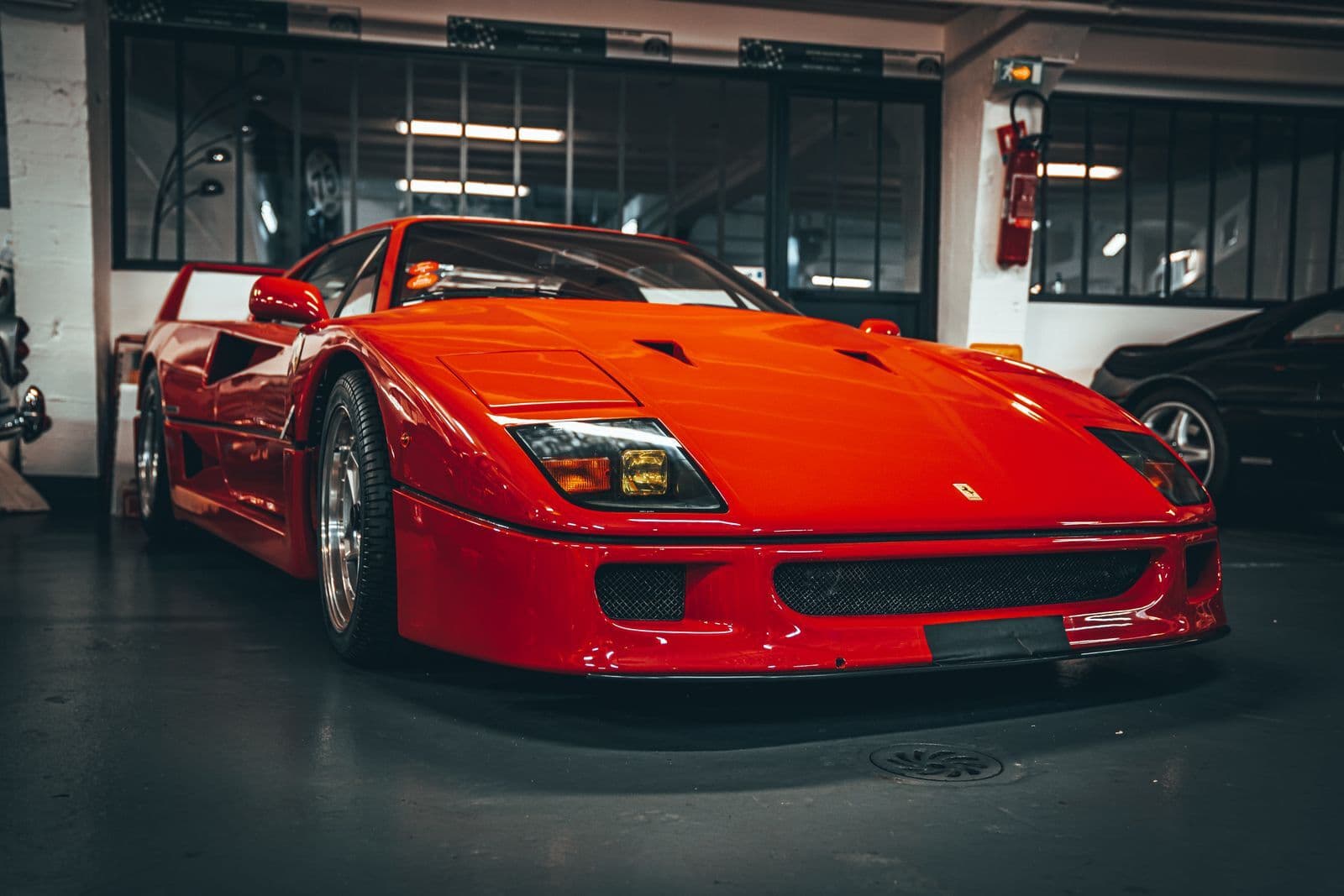
The headline version writes itself: a Ferrari 250 GTO that sold new for the price of a house now trades around the US$50 million mark; therefore cars beat shares, and your garage is a portfolio. The honest version — the one visible in actual auction records rather than highlight reels — is far more interesting and far less generous. Yes, a thin tier of cars has appreciated spectacularly. Around it sits a vast majority that depreciates like the machinery it is, a cost structure that quietly devours paper gains, and a market that has demonstrated, within recent memory, that it falls as well as rises. This is general information and emphatically not financial advice — it's a reality check with a happy ending, because the right conclusion makes ownership better.
Survivorship bias is the engine of the "cars as investment" story: the auctions televise the winners. Nobody holds a press conference for the depreciated supercar sold at a loss after ten years of storage bills — and that's the modal outcome.
What the record genuinely shows
The top of the market is real. Blue-chip collector cars — 250 GTO-class Ferraris being the standard-bearers, per our Ferrari piece — have appreciated over decades at rates that embarrass most assets, and collector-car indices tracking the segment's upper tier showed spectacular gains through the 2010s boom. The catch is what qualifies: extreme scarcity, competition history, era-defining design, impeccable provenance — the hero traits at maximum concentration, present in a vanishing fraction of all exotics ever built. The same indices also recorded the sequel: after the mid-2010s peak, broad classic values plateaued and in segments retreated for years — a correction politely described as "market softening" by the trade and experienced as losses by late buyers. Markets built on sentiment cool on it too.
The costs the headlines skip
Even a car that appreciates on paper must outrun its carry costs, and they compound annually: insurance at agreed value, secure storage, the time-based servicing this series has already priced structurally in the running-costs piece, plus transaction friction that dwarfs other assets — auction fees on both sides of the trade, transport, and in Australia stamp duty on the way in. A car "up" meaningfully over a decade can, after honest accounting, have roughly broken even — and that's the successful case. Condition adds the cruel twist: preserving investment-grade originality argues against driving, at which point you own a very expensive argument with yourself.
The traps with names
Three recurring patterns from the auction record. The instant-collectible gamble: speculating on brand-new limited editions has worked repeatedly for the anointed few models and failed quietly for the many — allocation games and flipped delivery cars are where this decade's craters get dug. The restoration arithmetic: bringing a rough exotic to concours standard routinely costs more than the finished car's value; buy the best car, not the biggest project, unless the project is the hobby. The authenticity premium: matching-numbers originality versus replaced drivetrains can swing values enormously, which is why provenance documentation — the theme this series repeats like a chorus — is the closest thing to alpha an ordinary owner controls.
The honest conclusion
Buy the car you'd love owning even if it never earns a dollar. That single rule filters out almost every mistake in this article: it steers you toward cars you'll drive (solving the preservation paradox), toward specs you understand deeply (which happen to be the ones that hold value), and away from leveraged speculation on machinery with five-figure annual carry costs. If a car appreciates anyway — and well-chosen, well-documented exotics sometimes genuinely do — it's the best kind of return: one you were paid in years of driving first. For anything more ambitious than that, licensed financial advice exists and this article isn't it.
What this means if you're buying or selling on MotorLoop
Whether a car is a keeper or a sale, its documentation is its prospectus: build records, service invoices, originality evidence. Sellers who present that file command the premium this whole article describes; buyers should browse used cars with the auction guide's disciplines in hand — and a collection piece between chapters belongs on a free showcase page.
Related
- Supercar depreciation: the heroes and the craters
- Ferrari's road to icon status: the models that made the marque
- Buying a car at auction: what you're really signing up for
- What it really costs to run a supercar in Australia
FAQs
Do supercars go up in value?
A thin tier does — extremely scarce, historied, provenanced cars have appreciated over decades, and the auction headlines come from exactly that tier. The majority of exotics depreciate like ordinary luxury goods, and even appreciating cars carry annual costs (insurance, storage, servicing, transaction fees) that consume much of the paper gain.
Are classic car values still rising?
The broad market has moved in cycles: a spectacular boom through the mid-2010s, then years of plateau and retreat in many segments before later stabilisation. Individual models diverge wildly from the averages, which is why generalisations — including optimistic ones at purchase time — deserve suspicion. Past performance guarantees nothing.
What's the smartest way to buy a supercar if I care about value?
Buy the best-documented, most original example of a car you genuinely want to own, maintain it properly, and keep every record — provenance is the one value factor an owner controls. Treat appreciation as a possible bonus on top of the ownership experience, not the plan, and seek licensed advice for anything intended as an actual investment.