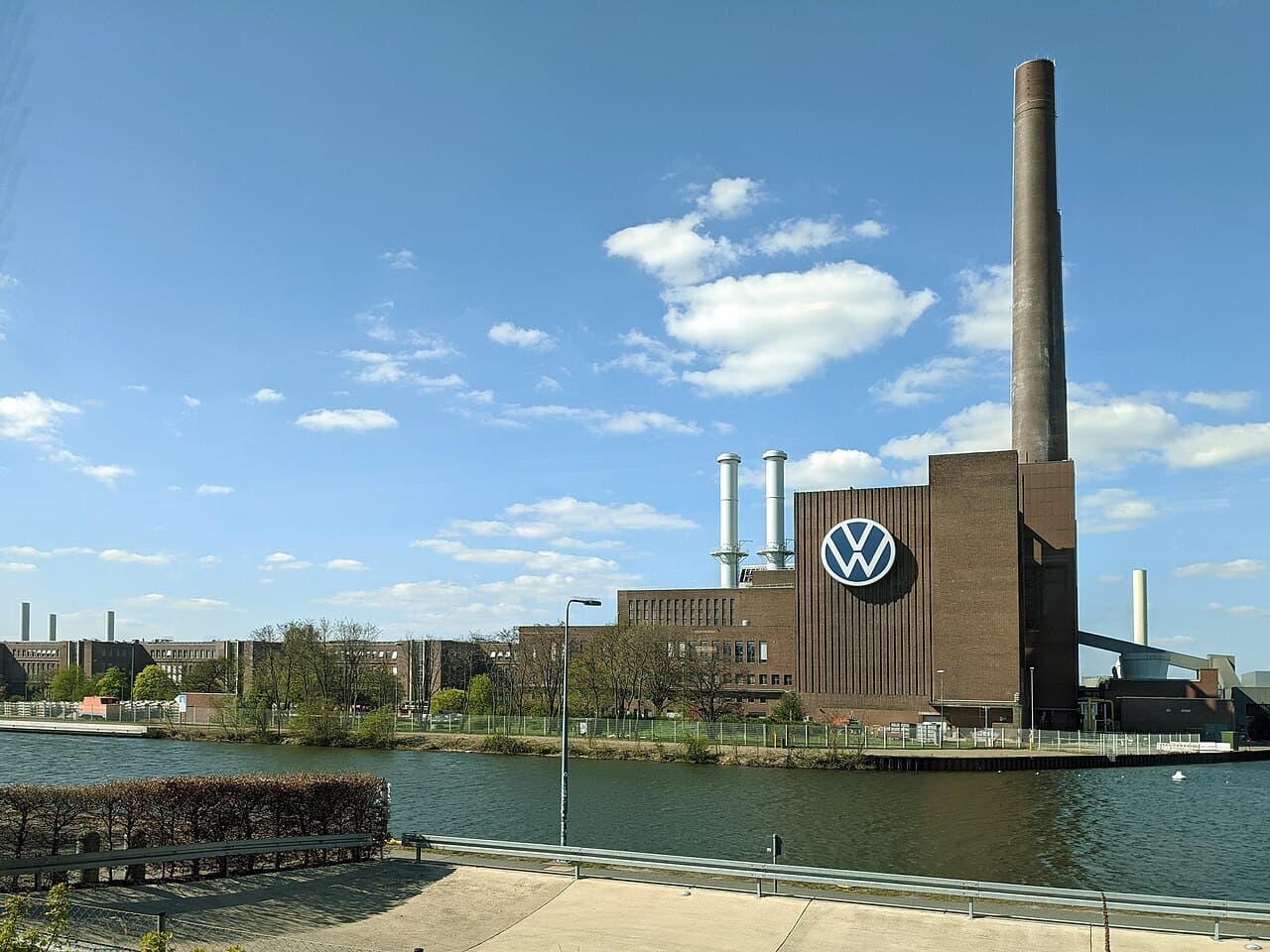
Germany's big carmakers are having a dreadful year, and the numbers from the past month make that hard to argue with. Volkswagen Group reported an operating loss of €5.86 billion for the third quarter of 2026 (opens in a new tab), and its operating result for the first nine months fell 98.7 per cent to €71 million. BMW cut its full-year margin forecast. In our view the companies that built the engines people loved bet the house on a product buyers were lukewarm about, and they are now paying for it.
- -€5.86bn
- VW Group operating result, Q3 2026
- €6.4bn
- VW write-down on Porsche goodwill
- 3.4%
- BMW automotive EBIT margin, Q3 2026
- -24%
- German-sourced new car sales in Australia, October 2026
What it looks like from Australia
German brands are losing ground here too. CarExpert's October VFACTS analysis lists Germany as the country of origin for 3,745 new vehicles, down 24 per cent (opens in a new tab) on a year earlier, in a month when the total market rose 6.8 per cent. Brand by brand: Volkswagen 1,283 (down 46.4 per cent), Mercedes-Benz 2,151 (down 15.8 per cent), BMW 1,914 (down 19.2 per cent), Audi 856 (down 44.8 per cent) and Porsche 272 (down 19 per cent).
Those are monthly figures and can bounce around. But they line up with what the companies themselves are reporting from Wolfsburg, Munich and Stuttgart.
Volkswagen: earning less on the cars it is told to sell
Volkswagen's own nine-month release is blunt. Third-quarter sales revenue fell 6.3 per cent to €75.3 billion, and deliveries fell 14.3 per cent to 1.885 million vehicles. Special items for the nine months came to €8.7 billion, including non-cash impairment charges on Porsche goodwill of €6.4 billion (opens in a new tab) and about €1 billion of China asset impairments. The group's headcount fell from 662,900 at the end of 2025 to 648,100 at 30 September.
The sentence that matters most is the company's own: Volkswagen says it "currently earn[s] less from electric vehicles than from combustion-engine vehicles" (opens in a new tab). The main Volkswagen brand group says the same thing a different way, noting that battery-electric growth is coming at the expense of volumes and higher-margin combustion models (opens in a new tab). It has set up task forces to optimise the mix between combustion and electric models, temporarily paused development of the electric ID.Golf until the investment can be secured, and ended ID.4 production in Chattanooga in the United States.
On jobs, technology site TNW, citing Associated Press reporting, says the restructuring could cost up to 100,000 jobs and close four German plants (opens in a new tab). Volkswagen's own release does not put a number on job cuts; it describes a cost programme of around €31 billion and the planned sale of its Osnabrück plant.
Porsche: the expensive U-turn
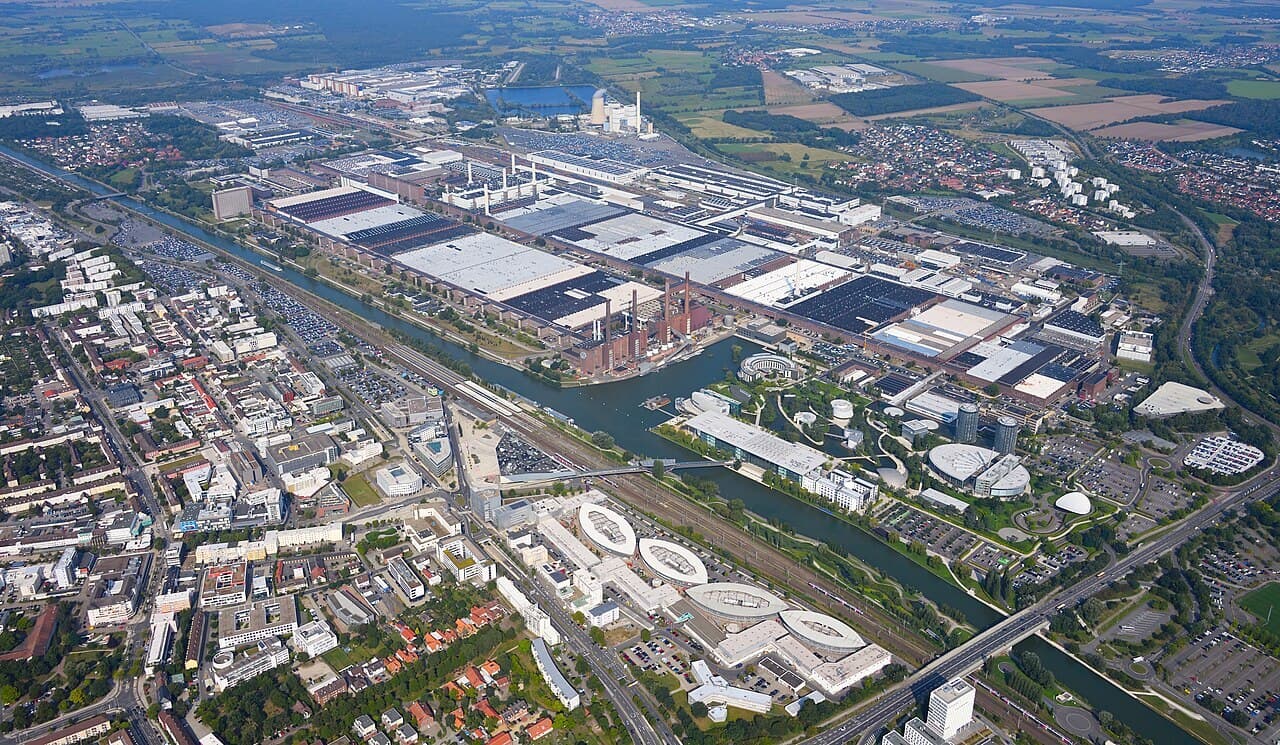
Porsche is the cautionary tale we care most about, because it makes the cars we love. Its own nine-month figures show deliveries down 16 per cent to 178,532 and revenue down to €25.28 billion (opens in a new tab). Operating profit recovered to €1.74 billion, but only from €0.04 billion a year earlier, when realignment costs of €2.7 billion all but wiped it out. Battery-electric cars made up 21.7 per cent of deliveries, down from 23.1 per cent.
We wrote about what Porsche's plans mean for the next electric Boxster and Cayman (opens in a new tab) and about its earlier value-over-volume half-year (opens in a new tab). In our view the €6.4 billion Volkswagen just wrote off against Porsche's goodwill is, in effect, the parent company admitting the brand is worth less than it thought.
BMW: steadier, but squeezed
BMW is in better health than Volkswagen, but not immune. It reported third-quarter earnings before tax of €2.083 billion, down 10.6 per cent (opens in a new tab), and an automotive EBIT margin of 3.4 per cent, down 1.8 points. Deliveries fell 6.3 per cent to 551,075. It now expects its full-year automotive margin between minus 0.5 and plus 0.5 per cent, down from 1 to 3 per cent, and says it will cut management roles faster than announced.
They spent the money on the car the regulators wanted and starved the car the buyers wanted.
Germany, done properly: why it hurts so much there
For Germany this is not just a share-price story. Volkswagen alone employed 648,100 people worldwide at the end of September, on its own figures. In our view the engine was the heart of the German industrial model: precision machining, suppliers built around pistons, crankshafts and gearboxes, and apprenticeships to match, which we touched on in our piece about what Germany does differently with mechanics (opens in a new tab).
Our reading is that German makers built their electric plans for a world of strict rules and steady subsidies. Then Europe softened its own target, which we covered in Europe backs away from its 2035 engine ban (opens in a new tab), Volkswagen took impairments on its China assets, and the electric cars that were supposed to replace profits from engines are, on Volkswagen's own admission, earning less. Those are the costs of a bet that has not paid off.
The fair counter-argument is that the EU's CO2 rules left them little choice, and that Volkswagen says electric cars made up about 40 per cent of its European order bank at the end of September. We accept both. But we think a company can comply with a rule without neglecting what made it great, and in our view too many of Germany's makers let the engines that built their reputations come second.
What it means if you're buying or selling
- Buying new. In our experience weak sales mean room to negotiate. With German brands down sharply in Australia this year, it is worth asking hard about drive-away pricing and finance offers.
- Buying used. A well-serviced German petrol car from the last decade is still a lovely thing to own. Get a pre-purchase inspection, check the service history and price in parts and labour, which our mechanics shortage piece (opens in a new tab) explains.
- Owning one. Restructuring at head office doesn't cancel your warranty, but it can change dealer networks and model lines. Keep records and know who your local service agent is.
- Selling a petrol Porsche, BMW M car or GTI. If makers are cutting back on combustion development, good examples of the last great engines become more interesting to enthusiasts, in our view. Present them as the real thing.
You can buy, sell & show cars on MotorLoop, and it's free.
Our take
We love what Germany builds. A Porsche flat-six, a BMW straight-six, a Golf GTI on a good road: these are the reasons a lot of us got into cars in the first place. That is exactly why the past year is so frustrating to watch.
On their own figures, Volkswagen earns less from the electric cars it is pushing than from its combustion cars, Porsche has paid billions to change course, and BMW's margin has been squeezed to almost nothing this year. In our view the lesson is not that electric cars should never have been built. It is that the people who made engines worth loving forgot that buyers, not targets, pay the bills. The German makers that keep building cars people want to drive will come back. The ones that keep building to a spreadsheet may not.
Header photo: Gerd Eichmann (opens in a new tab) via Wikimedia Commons, CC BY 4.0 (opens in a new tab).
Related
- Porsche's next Boxster and Cayman go electric. The petrol 718 now lives on the used market (opens in a new tab)
- Porsche delivered 16% fewer cars in the first half of 2026, and made more money (opens in a new tab)
- Europe backs away from its 2035 engine ban. What it means for petrol and hybrid buyers here (opens in a new tab)
- Australia is short of mechanics. What it costs owners, and what Germany does differently (opens in a new tab)