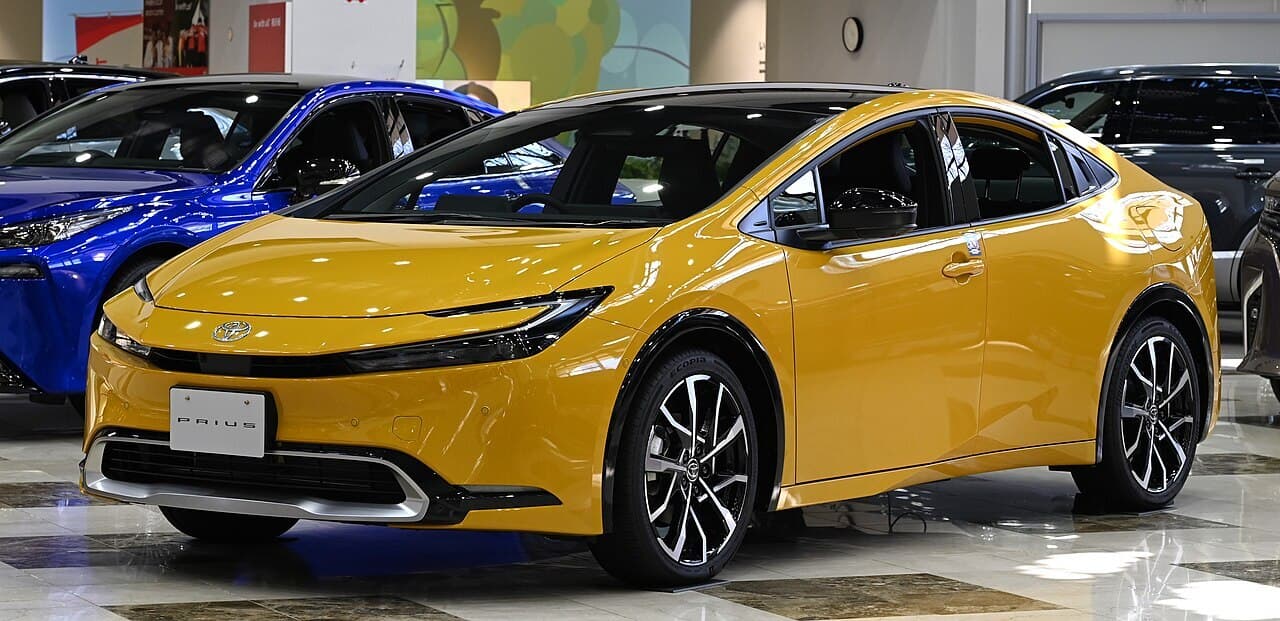
Japan's big four carmakers reported their half-year results in the first fortnight of November, and the numbers line up behind one idea. Toyota, which kept selling petrol, hybrid, plug-in and battery cars side by side, lifted its full-year operating income forecast to 3.9 trillion yen (opens in a new tab) on 5 November. Five days later Honda reported 484.8 billion yen of EV-related losses (opens in a new tab) inside its first-half profit, and announced a new US plant to build more hybrids.
In our view Toyota read the customer correctly. We think it was too often treated as a laggard for not going all-in on batteries. It kept offering people a choice, and people chose hybrids. In Australia, where Toyota remains the biggest seller, that bet matters for every buyer and owner.
- 3.9 trillion yen
- Toyota's raised full-year operating income forecast
- 55.6%
- Share of Toyota and Lexus sales that were electrified, April to September 2026
- 484.8 billion yen
- Honda's EV-related losses in the same six months
Australia first: Toyota still leads, but battery cars are climbing
In October, Australians bought 103,325 new vehicles (opens in a new tab), up 3.8 per cent on a year earlier, according to the FCAI. Toyota sold 20,649 of them, about twice the 10,025 sold by second-placed BYD. The same release says battery electric vehicles were 23.1 per cent of sales, up from 7.3 per cent a year earlier.
That last figure is the fair challenge to our argument, and we won't pretend it away. Battery cars are clearly growing here. But the market leader by a long way is still the company whose range is built mostly on hybrids and conventional engines, and we think that says more about what most Australian households want than any single month's EV share.
Toyota: hybrids carried the year
Toyota's first-half figures, for April to September 2026, show operating income of 2.19 trillion yen, up 9.2 per cent (opens in a new tab), and net income attributable to the company up 26.1 per cent to 2.24 trillion yen, on revenue of 26.96 trillion yen. It now forecasts full-year operating income of 3.9 trillion yen.
The presentation that went with the results is blunt about why. It says that, supported by strong demand, vehicle sales remained resilient, led by HEVs (opens in a new tab), Toyota's term for conventional self-charging hybrids. The same document shows Toyota and Lexus sold 2.81 million electrified vehicles in the half, 55.6 per cent of their sales, of which 2.45 million were hybrids, 130,000 plug-in hybrids and 231,000 battery EVs.
Two numbers in that table deserve a fair reading. Toyota's battery EV sales more than doubled on a year earlier, so this is not a company refusing EVs. But in the same presentation Toyota cut its full-year battery EV forecast from 533,000 to 463,000 (opens in a new tab) while forecasting about 5.0 million hybrids. That is what a multi-pathway strategy looks like in practice: build what sells, in the proportions it sells.
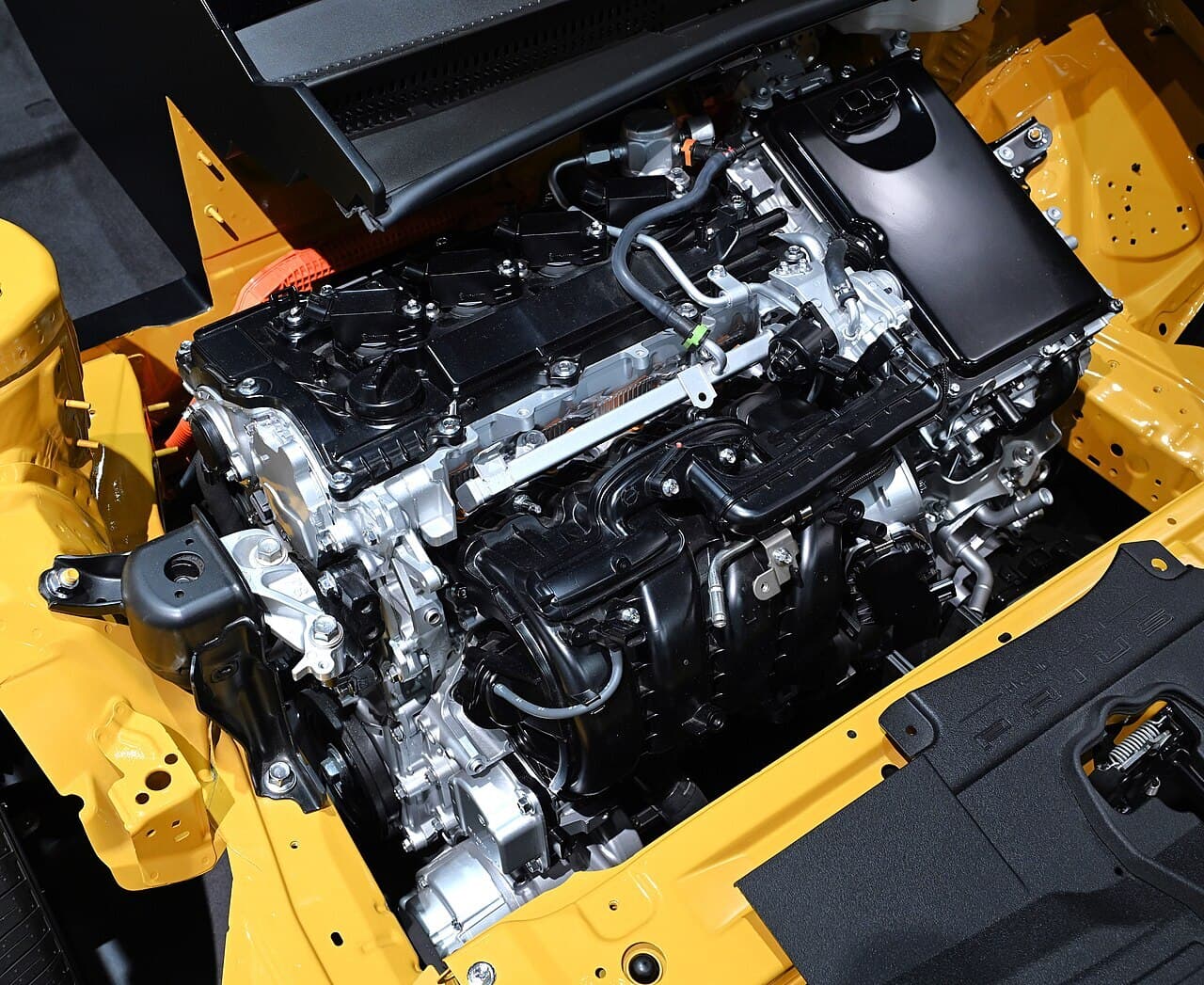
Honda: big EV losses, and a new hybrid plant
Honda's first half looks strong on the surface. Operating profit was 648.7 billion yen (opens in a new tab), and Honda raised its full-year forecast by 130 billion yen to 780 billion yen, helped by record motorcycle sales. But that profit already absorbs 484.8 billion yen of EV-related losses, and Honda expects 520 billion yen of them across the full year.
What Honda is doing next is telling. In the same presentation it said it will build a new automobile plant in Ohio to meet growing demand for hybrid models in North America (opens in a new tab), lifting North American capacity from 1.67 million to 1.91 million vehicles in 2029, and will introduce multiple large hybrid models from 2029. Honda also cited demand for fuel-efficient vehicles, including hybrids, amid rising petrol prices.
We think that is a big company changing course in public, and we respect it for doing so rather than doubling down.
Nissan and Mazda: recovering, carefully
Nissan returned to an operating profit of 80 billion yen in the first half (opens in a new tab), an improvement of 107.7 billion yen, and kept its full-year forecast of 200 billion yen. Nissan credits its Re:Nissan cost program with 110 billion yen of savings in the half and 365 billion yen so far against a 500 billion yen target. Its release names the Rogue Hybrid as strengthening the US line-up and says it is accelerating new energy vehicles in China, where competition is fierce.
Mazda, the smallest of the four, reported first-half operating income of 59.1 billion yen (opens in a new tab), against a loss of 53.9 billion yen a year earlier, on global sales of 617,000 vehicles. It kept its full-year operating income forecast at 150 billion yen but trimmed its sales volume forecast by 27,000 vehicles.
| Feature | Toyota | Honda | Nissan | Mazda |
|---|---|---|---|---|
| First-half operating result | 2.19 trillion yen | 648.7 billion yen | 80 billion yen | 59.1 billion yen |
| Full-year forecast | Raised to 3.9 trillion yen | Raised to 780 billion yen | Held at 200 billion yen | Held at 150 billion yen |
| What the results stress | Hybrid-led sales | EV losses; new hybrid plant | Cost cutting; hybrids in US | Recovery from tariff losses |
Japan's view: build for the customer you have
Japan is the one country worth looking at closely here, because all four companies answer to the same home market and they have taken visibly different paths. Toyota's own regional table shows its consolidated sales in Japan fell by about 11 per cent in the half (opens in a new tab), the biggest drop of any region, so this is not a story of an easy home market. It is a story of a global product range built around what people in very different countries will actually buy.
In our view that is the lesson. A battery car suits some buyers well: a garage with a charger, short daily runs, a second car for the long trips. A hybrid suits a much wider group, including the regional Australian who tows, drives long distances and fills up where the servo already is. Toyota built for both, and so far the hybrid buyer has been the bigger customer.
What it means if you're buying or selling
Buying new. Hybrids are the mainstream choice from Japan's makers now, not a niche, and Honda's plans suggest more of them are coming. If a battery car fits your driving and you can charge at home, it may suit you. If you tow, travel long distances or live outside the cities, we think a hybrid is the safer bet on the evidence above.
Buying used. Hybrid technology from Toyota and Honda has a long track record, and used examples are plentiful. Ask for the service history and, on an older hybrid, any record of hybrid-battery checks. Our explainer on mild hybrids (opens in a new tab) sets out the different kinds.
Selling. Demand for hybrids is what these results describe. If you are selling one, say clearly what type it is and include its service records. You can buy, sell & show cars on MotorLoop, and it's free.
Our take
We think Toyota got this right. In our view it was treated for years as if hedging were a failure of nerve. It kept making the car most people actually wanted, kept making EVs for the people who wanted those, and is now raising its profit forecast while a rival books close to half a trillion yen of EV losses in six months and builds a hybrid plant.
Battery cars will keep growing, and Australia's October figures show it. But a carmaker's job is to build what its customers want, not what it is told they should want. On the November numbers, the one that listened is the one that is winning.
Header photo: TTTNIS (opens in a new tab) via Wikimedia Commons, CC0 (opens in a new tab).
Related
- Kia's new Seltos is hybrid-only and dearer. The simple petrol small SUV is quietly disappearing (opens in a new tab)
- Europe backs away from its 2035 engine ban. What it means for petrol and hybrid buyers here (opens in a new tab)
- China now builds more than a third of Australia's new cars. Who fixes them in 2036? (opens in a new tab)
- Mild hybrids explained: what a 48-volt system actually does for you (opens in a new tab)