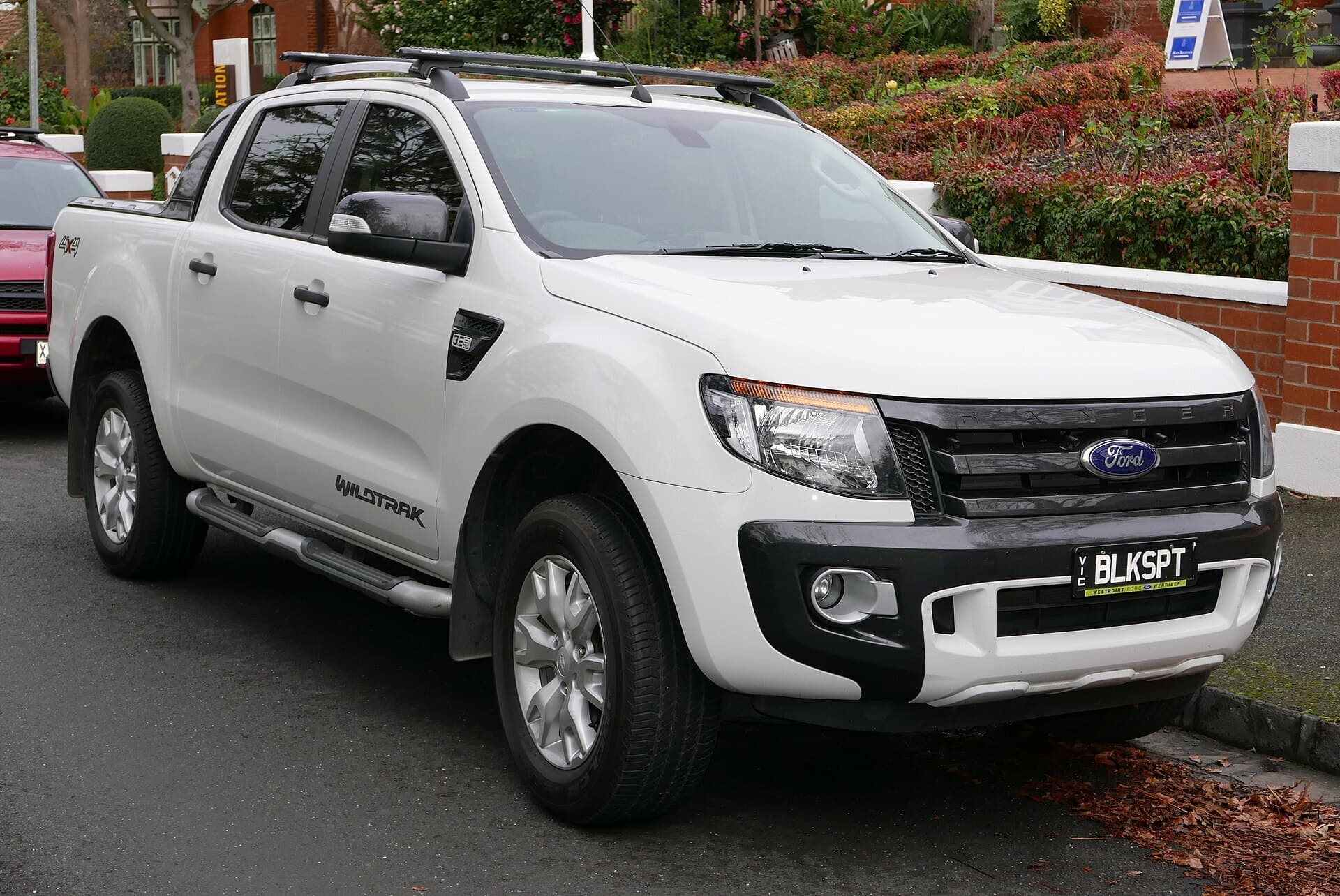
The Toyota HiLux was Australia's top-selling new vehicle in October 2026, with 5,954 sold against 4,841 Ford Rangers, according to CarExpert's report on the month's VFACTS figures (opens in a new tab). BYD's Shark 6 was ninth overall. Diesel was still the most-sold fuel type for the month. In our view, that tells you what Australians want from a ute: something simple and tough that any workshop can fix.
- 5,954
- HiLux sales, October 2026
- 4,841
- Ranger sales, October 2026
- 1,843
- BYD Shark 6 sales, ninth overall
- 23.9%
- Diesel share of the October market
What October's numbers say
The same CarExpert VFACTS report (opens in a new tab) puts the whole October market at 107,493 new vehicles, up 6.8 per cent on October 2025. The 4x4 ute segment held 16,804 sales, flat on a year earlier. Within it the HiLux sold 5,228, the Ranger 4,556 and the Shark 6 1,843. Isuzu's D-Max added 1,599 across its range.
By fuel type, diesel took 25,649 sales, or 23.9 per cent of the market, ahead of every other fuel for the month. It was also down 14.7 per cent on a year earlier, so the trend is not standing still. Battery electric cars were close behind at 23.1 per cent, a story we have covered separately.
Here is where we land. Utes are still the backbone of the Australian market, and the diesel ute is still the default. The Chinese newcomers are real: a BYD in the top 10 would have been unthinkable a few years ago. But the two best-sellers are still a Toyota and a Ford, both with a familiar turbo-diesel under the bonnet.
The new HiLux: more of the same, deliberately
Toyota's new-generation HiLux went on sale on 9 December 2025 (opens in a new tab), according to CarExpert's price and specification guide. The changes are what you would expect: new styling, a redesigned interior with a 12.3-inch touchscreen, and more safety kit on the base WorkMate, including blind-spot monitoring and rear cross-traffic alert.
The bones are what interest us. CarExpert reports the only engine is the carryover 2.8-litre turbo-diesel, with a 48-volt mild-hybrid system standard on SR-and-above automatics. The 2.4-litre diesel and 2.7-litre petrol have gone. The HiLux keeps a ladder-frame chassis rather than moving to the TNGA-F platform used by the Prado and LandCruiser 300. Prices run from $33,990 for the WorkMate 4x2 manual single-cab chassis to $71,990 for the Rogue and Rugged X, before on-road costs. Service intervals are every six months or 10,000 km.
2026 Toyota HiLux at a glance
- On sale
- 9 December 2025
- Engine
- 2.8-litre turbo-diesel, 48V mild hybrid on SR-and-above autos
- Chassis
- Ladder frame
- Price before on-roads
- $33,990 to $71,990
- Service interval
- 6 months or 10,000 km
We think that is the right call, mostly. A ladder frame and a proven diesel are what tradies, farmers and towers have trusted for decades. Our one reservation is that the cheapest petrol HiLux has gone, and CarExpert puts the new entry WorkMate at about $6,260 more than the old 2.7-litre petrol WorkMate. The simple, cheap work ute is getting harder to buy new.
The 48-volt system is a small step towards complexity. It is not a full hybrid, and we have explained what one does in mild hybrids explained (opens in a new tab). In our view it adds a battery and electronics a bush mechanic may not have seen before, but it keeps the diesel engine at the centre.
Why simple diesel utes hold their value
This is our analysis rather than a measurement. A diesel ute with a big local population is a vehicle the whole country knows how to fix. Parts sit on shelves in country towns, wreckers have them, and the mechanic in a mining town has seen the engine a hundred times. That is a large part of why a HiLux or Ranger with 200,000 km on it still sells.
Compare that with a newer, more electrified ute. It may be a fine vehicle. But if it needs a dealer with specific software, a high-voltage qualification or a part shipped from overseas, it is a harder sell when you are 500 km from a capital city. Buyers price that risk in, and we think that is why resale value follows simplicity and familiarity, not just the badge.
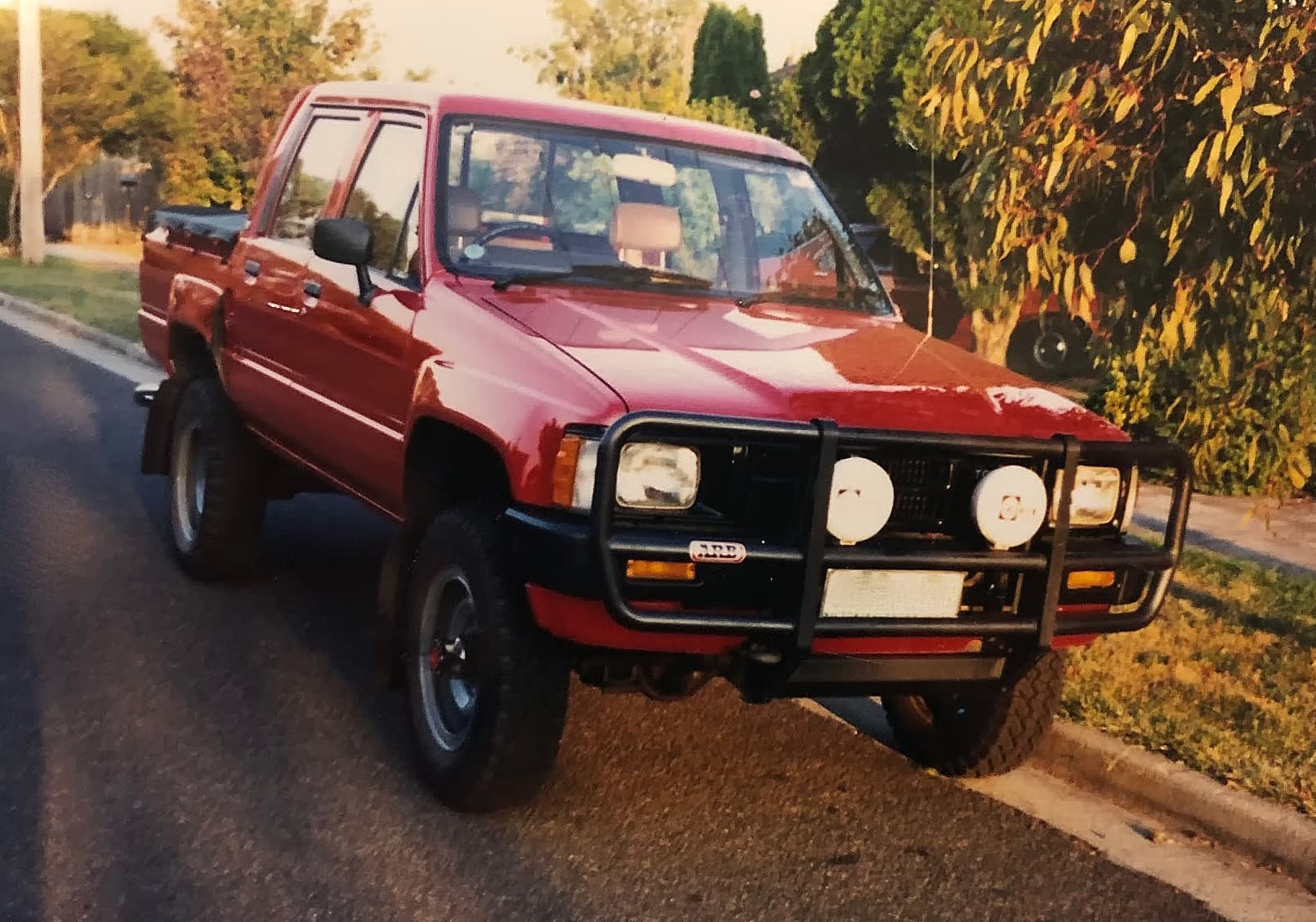
There is a caveat we have to state. Simple is not the same as trouble-free. Toyota's diesel particulate filter dispute is a reminder that even proven diesels can have problems, and we covered what owners need to know in Toyota's $750m DPF settlement (opens in a new tab).
Thailand: a pickup country with its own slump
Thailand is worth watching from here, because its car industry is built around pickups and its home market is shrinking. The Nation reported on 27 October 2026 (opens in a new tab) that domestic pickup sales fell 7.11 per cent year on year in September to 10,315 units, and the one-tonne category fell 11.5 per cent to 5,003. The Federation of Thai Industries blamed tighter lending, sluggish growth and high household debt.
The same report shows how much Thailand's factories depend on export buyers. It says Australia and Oceania was the largest regional market for Thai vehicle shipments in September, at 29.30 per cent, and that combustion-engine pickups use up to 90 per cent locally made components. We think the lesson is twofold. An industry built around simple combustion pickups keeps parts plentiful for owners of Thai-built utes. And demand from our region is now propping up that industry while Thai buyers pull back.
| Feature | Australia | Thailand |
|---|---|---|
| Ute demand | 4x4 utes flat in October 2026 | Pickups down 7.11% in September 2026 |
| Top seller | Toyota HiLux in October | Not reported in our source |
| Role | Australia and Oceania the biggest regional market for Thai vehicle shipments in September | Combustion pickups use up to 90% local parts |
What it means if you're buying or selling
Buying a used dual-cab. Supply is deep, so take your time. Points we would check:
- Service history. Look for regular servicing at the intervals in the owner's manual. A work ute that has missed services will cost you later.
- DPF and short trips. If the ute has lived on short urban runs, ask about the diesel particulate filter. Our guide to DPFs and short trips (opens in a new tab) explains why it matters.
- Towing and load. Check the towbar, the tray and the rear springs for signs of hard work. A ute that has towed heavy loads should have records to match.
- Modifications. Lift kits, bigger tyres and engine tunes can affect insurance and roadworthiness. Ask for engineering paperwork where it applies.
- Recalls and PPSR. Run the VIN on the government recalls register and do a PPSR check before you pay.
Buying new. The new HiLux is dearer at the bottom of the range. If you want the simplest version, check which grades come without the mild-hybrid system and whether a manual suits your work.
Selling. A familiar diesel ute with a full service book and clean paperwork is one of the easiest things to sell in this country. Photograph the logbook, list any towing gear and be upfront about the kilometres. Our look at used-market trends and the resilience of the dual-cab (opens in a new tab) has more on why. You can buy, sell & show cars on MotorLoop, and it's free.
Our take
October's figures show the diesel ute is still the heart of the Australian market, even as electrified and Chinese-built rivals climb the charts. We think the HiLux's return to the top is not nostalgia. It is buyers choosing a vehicle that can be fixed anywhere, by anyone, with parts that are already here.
The new HiLux mostly respects that. Toyota kept the diesel and the ladder frame, and added a little electrical help rather than a new powertrain. That is the right instinct. The worry is price: the cheap, simple ute is slipping out of the new-car showroom. For many buyers, the smart move may be a well-kept used dual-cab with a familiar engine and a full service book. It will hold its value for the same reason it always has. Somebody, somewhere, will always know how to fix it.
Header photo: OSX (opens in a new tab) via Wikimedia Commons, public domain.
Related
- Toyota's $750m DPF settlement: what HiLux, Prado and Fortuner owners and buyers need to know (opens in a new tab)
- Australian used car market trends: why hybrids dominate and the resilience of the dual-cab (opens in a new tab)
- Mild hybrids explained: what a 48-volt system actually does for you (opens in a new tab)
- China now builds more than a third of Australia's new cars. Who fixes them in 2036? (opens in a new tab)