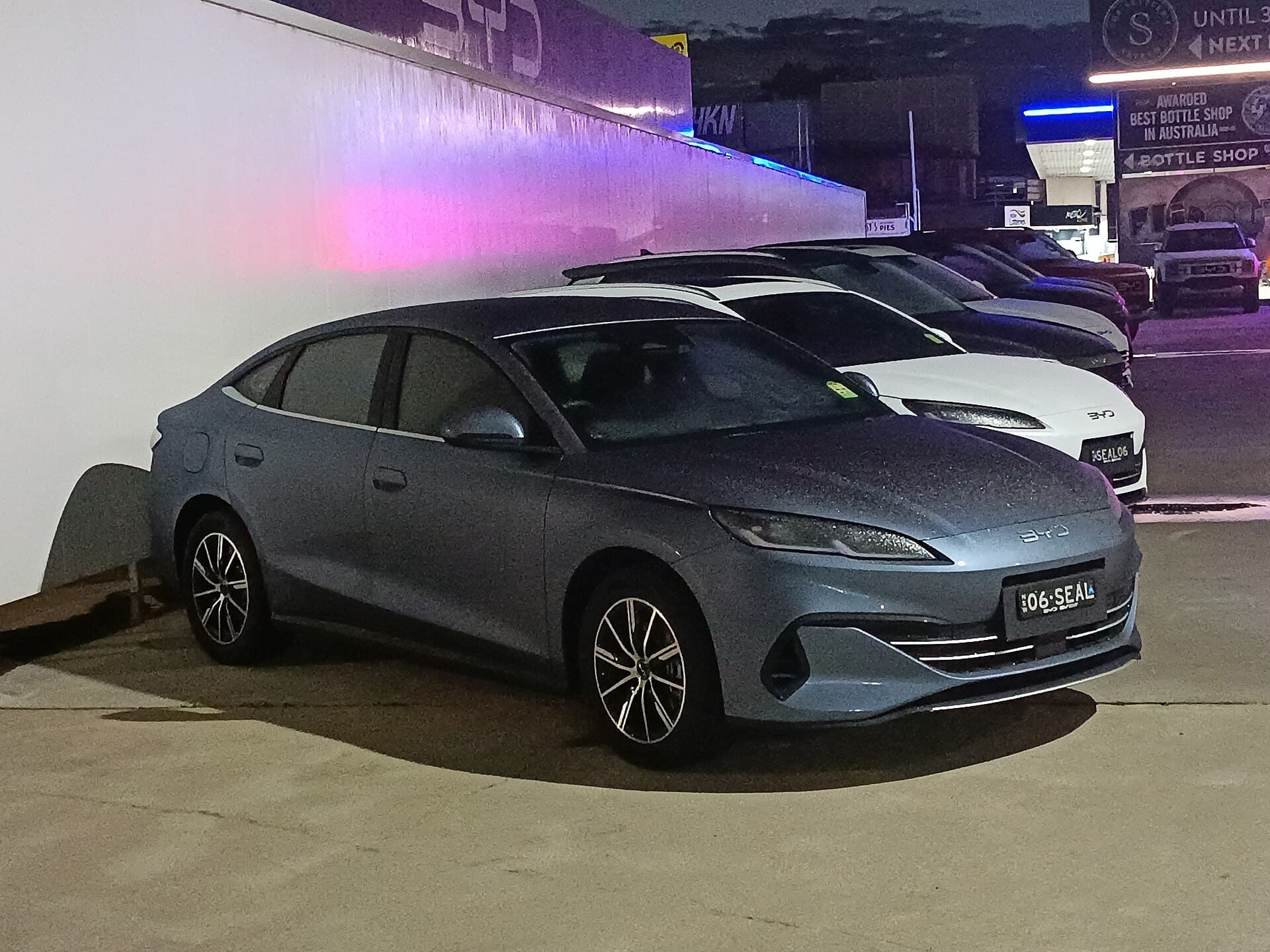
Battery electric cars outsold petrol cars in Australia in October 2026: 24,845 deliveries against 23,605, GoAuto's VFACTS report (opens in a new tab) shows. That is the headline. The same figures also show diesel was the biggest single fuel type, the two top-selling vehicles were diesel utes, and more than three in four new vehicles still left the showroom with an engine in them.
The Federal Chamber of Automotive Industries (opens in a new tab) (FCAI), which publishes the VFACTS sales count, reported 103,325 sales for October, up 3.8 per cent on a year earlier, with battery electric vehicles (BEVs) at 23.1 per cent of sales, up from 7.3 per cent in October 2025. Add the 4,168 Tesla and Polestar deliveries that the Electric Vehicle Council reports separately and the market comes to 107,493, EV Central reported (opens in a new tab).
We think both the "EVs have won" headline and the "nobody wants them" reply miss what Australians are doing. They are buying whatever cuts the weekly bill, and for a lot of them that still includes a fuel tank.
- 23.1%
- Battery EV share of new vehicles, October 2026
- 25,649
- Diesel sales, the biggest fuel type
- 5,954
- Toyota HiLux sales, the top model
What the October numbers say
Here is the split, using the volumes GoAuto (opens in a new tab) and EV Central (opens in a new tab) published from VFACTS and the Electric Vehicle Council:
- Diesel: 25,649, down 14.7 per cent on October 2025
- Battery electric: 24,845, more than three times last October's 7,361
- Petrol: 23,605, down 35.9 per cent
- Conventional hybrid: 18,434, up 3.8 per cent
- Plug-in hybrid: 11,745, up 148.6 per cent
Two notes on reading that list. The petrol and diesel figures come from VFACTS alone while the BEV figure adds the Electric Vehicle Council's Tesla and Polestar count, a mismatch GoAuto itself points out, though neither brand sells a petrol car here. And the five lines add to 104,278, a little short of the 107,493 total, which EV Central says includes heavy commercial vehicles.
On our arithmetic from those volumes, plug-in hybrids were about 11 per cent of the market and conventional hybrids about 17 per cent. Put the hybrids, plug-in hybrids, petrol and diesel together and you get roughly 79,400 vehicles with a combustion engine on board, against 24,845 without one.
The model chart tells the same story. The FCAI's top ten for October starts with the Toyota HiLux on 5,954, the Ford Ranger on 4,841 and the Toyota RAV4 on 4,718. The first electric model, the BYD Sealion 7, is fourth on 2,524. EV Central puts the Tesla Model Y at 3,105 from the Electric Vehicle Council's count, which would slot it in fourth if the two lists were merged.
Why the surge happened, in the industry's own words
Nobody selling these cars is claiming Australians have had an environmental awakening. FCAI chief executive Tony Weber put the growth down to stronger competition, instability in the Middle East, sustained higher fuel prices and federal tax concessions, and said: "Consumers are making rational choices and are attracted to options that reduce their costs." Electric Vehicle Council chief executive Julie Delvecchio told GoAuto that "EV sales are soaring because Australians are voting with their wallets."
We agree with both of them, and it is the most important line in the release. In our view this is a cost story. Fuel has been dear all year, as we covered when the fuel excise was restored in August (opens in a new tab). And the tax concession is large: The Driven reported from the May budget that motorists bought 330,000 electric cars under the fringe benefits tax discount (opens in a new tab) in its first three years.
That concession is about to narrow. The same report says the full discount will apply only to electric cars worth $75,000 or less from April 2027, and becomes a 25 per cent fringe benefits tax cut from April 2029. A market share that rose on a tax break and a fuel shock can soften when either one eases. We'd want to see a year of sales after April 2027 before calling 23 per cent the new floor.
The quiet figures: plug-in hybrids and China
Two numbers got less attention than they deserve.
Plug-in hybrids grew 148.6 per cent. A plug-in hybrid has a battery you can charge for short trips and a petrol engine for everything else. Buyers choosing one are, in effect, taking the cheap running costs without betting the family car on the charging network. We read that as caution, and we think it is sensible caution. Regional charging still isn't a servo network (opens in a new tab).
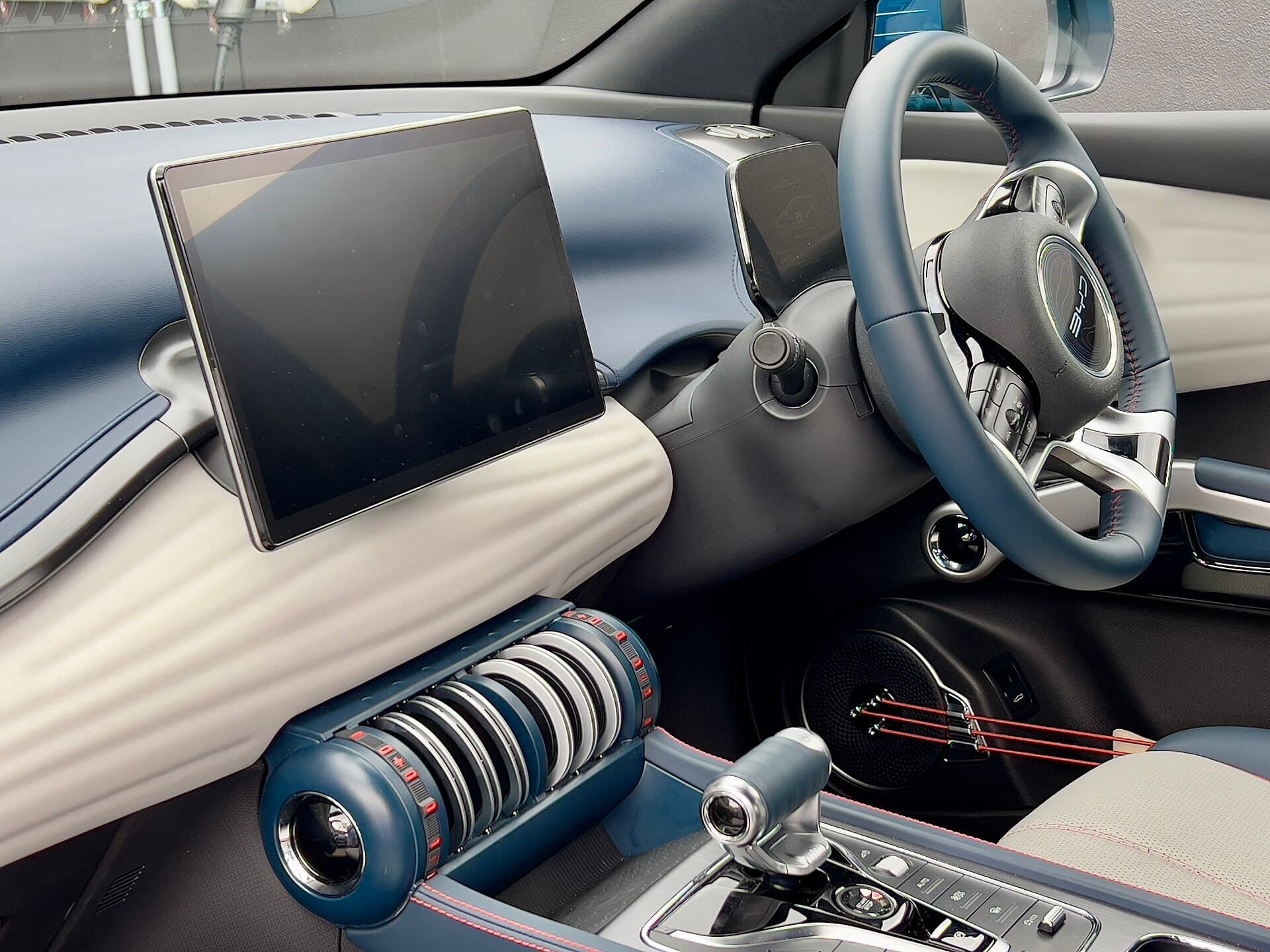
The other number is where the cars come from. China supplied 36.3 per cent of the vehicles VFACTS counted in October, ahead of Japan on 23.3 per cent and Thailand on 17.9 per cent, the FCAI says. BYD sold 10,025 vehicles, second only to Toyota's 20,649. Geely and Chery were both in the top ten brands. A fast-growing share of Australia's new cars now comes from brands with a short history here, and we have asked before who fixes them in 2036 (opens in a new tab).
Conventional hybrids, the ones you never plug in, barely moved: up 3.8 per cent. Our reading is that some buyers who would have bought a hybrid a year ago have gone to a plug-in or a full EV while the tax settings favour it.
The world view: Australia is near the average
Australia is not an outlier. The International Energy Agency's Global EV Outlook 2026 (opens in a new tab) says electric car sales passed 20 million in 2025, about a quarter of new cars sold worldwide. It puts China at nearly 55 per cent, Europe at 28 per cent and the United States at just under 10 per cent, and expects 23 million sales, or 28 per cent of the market, in 2026.
The agency also links this year's demand to what it calls an ongoing energy crisis from the conflict in the Middle East, which has pushed up oil prices. That matches the Australian explanation: people are reacting to the price of fuel.
It wasn't all one way. The IEA says global sales in the first quarter of 2026 were about 8 per cent lower than a year earlier, mainly because of lower sales in China and the United States after policy changes. Take the support away and sales fall. That is worth remembering when reading any single month.
Norway: what the end of the road looks like
For the far end of the scale, look at Norway. In October, 15,536 of the 15,725 new passenger cars registered there were battery electric (opens in a new tab), a 98.8 per cent share, electrive reported from the Norwegian road federation's figures. There were 89 diesels and 14 petrol cars. Chinese brands took 22.5 per cent of the month's registrations, the highest share recorded there.
| Feature | Australia | Norway |
|---|---|---|
| Battery EV share, October 2026 | 23.1% | 98.8% |
| New diesels sold | 25,649 | 89 |
| Top-selling model | Toyota HiLux (diesel ute) | Tesla Model Y |
Norway is a small, wealthy country with short distances between towns and a new-car market of under 16,000 a month. Australia sold more HiLux and Ranger utes in October than Norway sold cars of any kind in two-thirds of a month. In our view Norway shows that a country can get there, and also that it is a poor guide to a continent where the best-selling vehicle tows a caravan across the Nullarbor.
What it means if you're buying or selling
Buying new. The discounts are real and the competition is fierce, so shop hard. If a tax concession is the reason the sums work, check how the April 2027 changes affect your lease before you sign, and get advice on your own position.
Buying used. Record new EV sales today mean a wave of used EVs in three or four years, many of them off novated leases. That is good for buyers and harder on sellers. Petrol and diesel sales are falling, so late-model examples of popular simple cars will be thinner on the ground later.
Selling. If you have a clean, well-kept petrol car or diesel ute, the supply of new ones is shrinking while most of the fleet still runs on fuel. We think that supports its value. If you are selling an EV, expect more competition each year and price accordingly. You can buy, sell & show cars on MotorLoop, and it's free.
Ask three things: is it a share or a volume, which fuel types were left out of the comparison, and what tax break or fuel price was in play that month.
Our take
October's figures are a real shift and we won't pretend otherwise. A battery EV share that tripled in a year is not a blip, and petrol's 35.9 per cent fall is steep.
But our view is that Australians have not fallen in love with the electric car. They have responded to dear fuel and a generous tax break, exactly as the industry's own spokespeople say. That is a rational choice and we don't criticise anyone for making it. It is also a different thing from a settled preference, and it says nothing about how these cars will hold up, what they will be worth, or who will repair them in ten years.
Meanwhile the diesel ute is still Australia's favourite vehicle, the plug-in hybrid is the fastest-growing category with an engine, and three in four buyers still chose a fuel tank. Buy the car that suits the driving you do. Don't buy one because a headline says everyone else has.
Header photo: JaredMcKenzie (opens in a new tab) via Wikimedia Commons, CC0 (opens in a new tab).
Related
- Battery EVs were more than one in five new cars sold in July (opens in a new tab)
- China now builds more than a third of Australia's new cars. Who fixes them in 2036? (opens in a new tab)
- Kia's new Seltos is hybrid-only and dearer. The simple petrol small SUV is quietly disappearing (opens in a new tab)
- Europe backs away from its 2035 engine ban. What it means for petrol and hybrid buyers here (opens in a new tab)