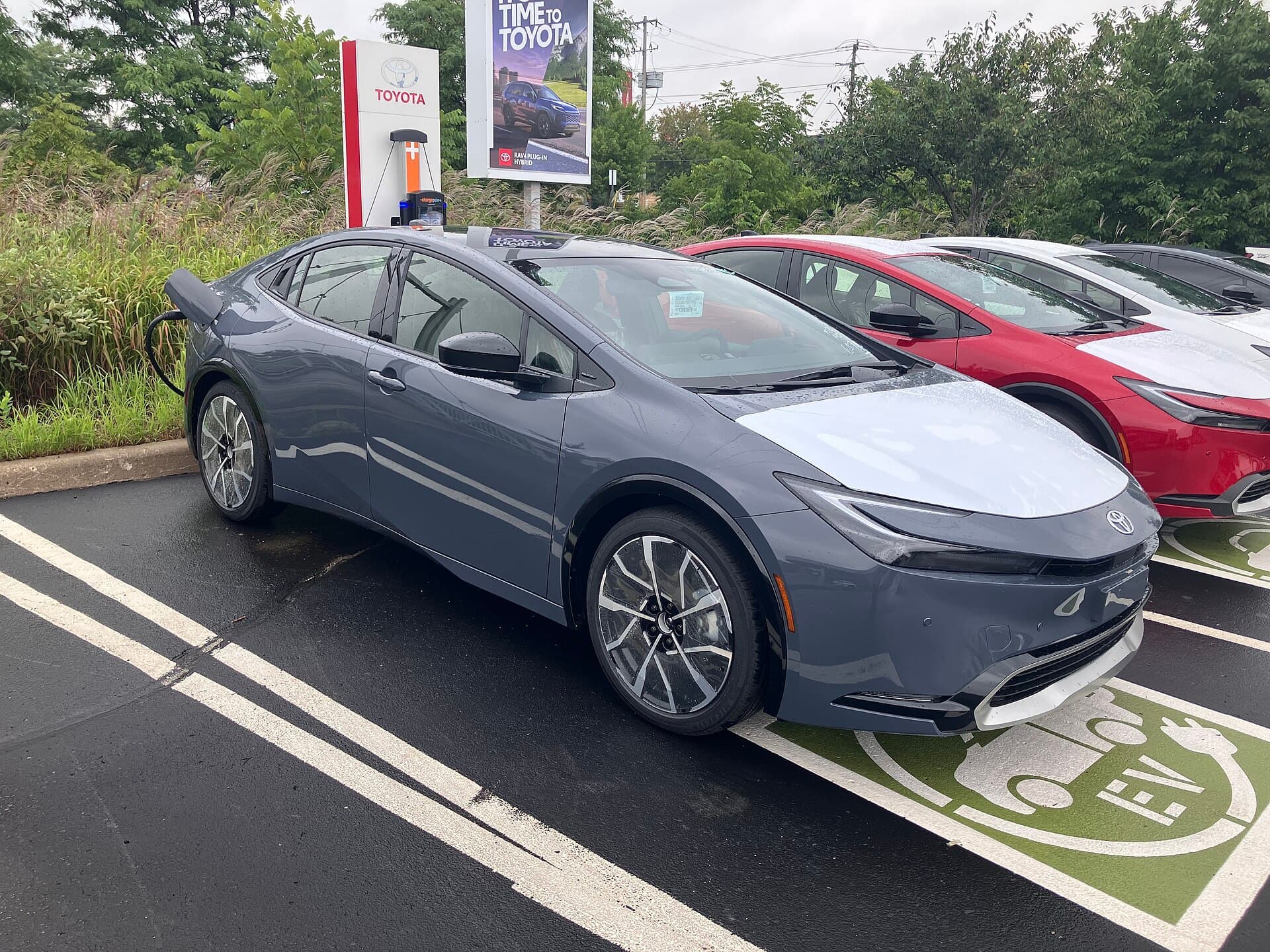
Plug-in hybrids stopped qualifying for Australia's electric car fringe benefits tax exemption on 1 April 2025, and sales went up anyway. The FCAI says Australians bought 53,484 plug-in hybrids in 2025, up 130.9 per cent, and VFACTS shows 97,023 more in the first ten months of 2026. We think a PHEV is a fair middle road for some drivers, but it doubles the hardware you are paying to own.
- 1 April 2025
- PHEVs lose the FBT electric car exemption
- 53,484
- PHEVs sold in 2025, up 130.9%
- 97,023
- PHEVs sold January to October 2026
- 10.9%
- PHEV share of the October 2026 market
What changed with the tax
A plug-in hybrid, or PHEV, has a petrol engine and a battery you can charge from the wall, so it can drive some distance on electricity before the engine starts. Until 2025 that was enough to count as a zero or low emissions vehicle for fringe benefits tax, which made PHEVs popular on novated leases.
The ATO is blunt about what happened next. From 1 April 2025, it says, a PHEV is not considered a zero or low emissions vehicle under FBT law and is not eligible for the electric cars exemption (opens in a new tab). The exemption can continue only where the car's private use was already exempt before that date and the employer had a binding commitment to keep providing it. The ATO says a later change to that commitment, such as a new lease, ends the exemption from the date of the new commitment, and that it has no discretion to extend the date. It also notes the government will complete a review of the electric car exemption by mid-2027.
What happened to sales
You might expect sales to fall once the tax break went. They did the opposite. The FCAI's full-year 2025 release (opens in a new tab) reported 53,484 PHEV sales in 2025, up 130.9 per cent on 2024, the biggest growth of any drivetrain. Conventional hybrids, which you never plug in, reached 199,133, up 15.3 per cent. Battery electric cars reached 103,269, or 8.3 per cent of the market.
The climb has continued. CarExpert's report on October 2026 VFACTS (opens in a new tab) shows 11,745 PHEVs sold in October, 10.9 per cent of the market, and 97,023 for the year to date, or 9.1 per cent. Ten months of 2026 have already beaten the whole of 2025 by a wide margin. Conventional hybrids are still bigger, at 178,487 for the year so far.
Here is where we land, and it is our reading of the numbers rather than a survey of buyers. The FBT exemption was never the main thing driving PHEV sales. More models arrived, many from Chinese brands, and buyers who were nervous about charging chose a car that can still fill up at a servo. The tax change made PHEVs worse value on a lease, but private buyers clearly kept coming.
The middle road, and the catch
We think the PHEV pitch is fair as far as it goes. If you can charge at home and most of your trips are short, you can do daily driving on electricity and still head bush on petrol without planning around chargers. That suits a country where, as we found in our summer road trip test (opens in a new tab), regional charging has improved but still isn't a servo network.
The catch is complexity. A plug-in hybrid carries a full combustion engine with its oil, cooling, exhaust and fuel system, and a high-voltage battery, electric motor, charger and power electronics on top. That is two drivetrains to maintain, two sets of things to go wrong, and more weight to carry. A conventional hybrid sits in between: a smaller battery, no plug, and a long track record.
A plug-in hybrid is a fair middle road, but you are buying two drivetrains and paying to keep both alive.
In our view the PHEV only makes sense if you actually plug it in. Driven on petrol most of the time, it is a heavy petrol car carrying a battery it rarely uses. Driven on electricity most of the time, you have to ask whether a simpler choice would serve you better. Our guide should you buy a plug-in hybrid? (opens in a new tab) walks through that decision.
We also think about the long term. Our house view is that software-heavy, battery-heavy cars will be harder and dearer to keep running in ten or fifteen years than a simple petrol car. A PHEV has everything a petrol car needs to fail, plus everything an EV needs to fail. Buy one with your eyes open, and keep the warranty paperwork.
The United Kingdom: plug-ins rising too
Britain shows the same pattern from a different starting point. Data from the SMMT, reported by electrive (opens in a new tab), shows UK plug-in hybrid registrations rose 30.1 per cent in October 2026 to 22,898, a 15 per cent share of the market. Battery electric cars reached 32 per cent, their highest share of the year, as makers pushed towards the UK's mandated electric target.
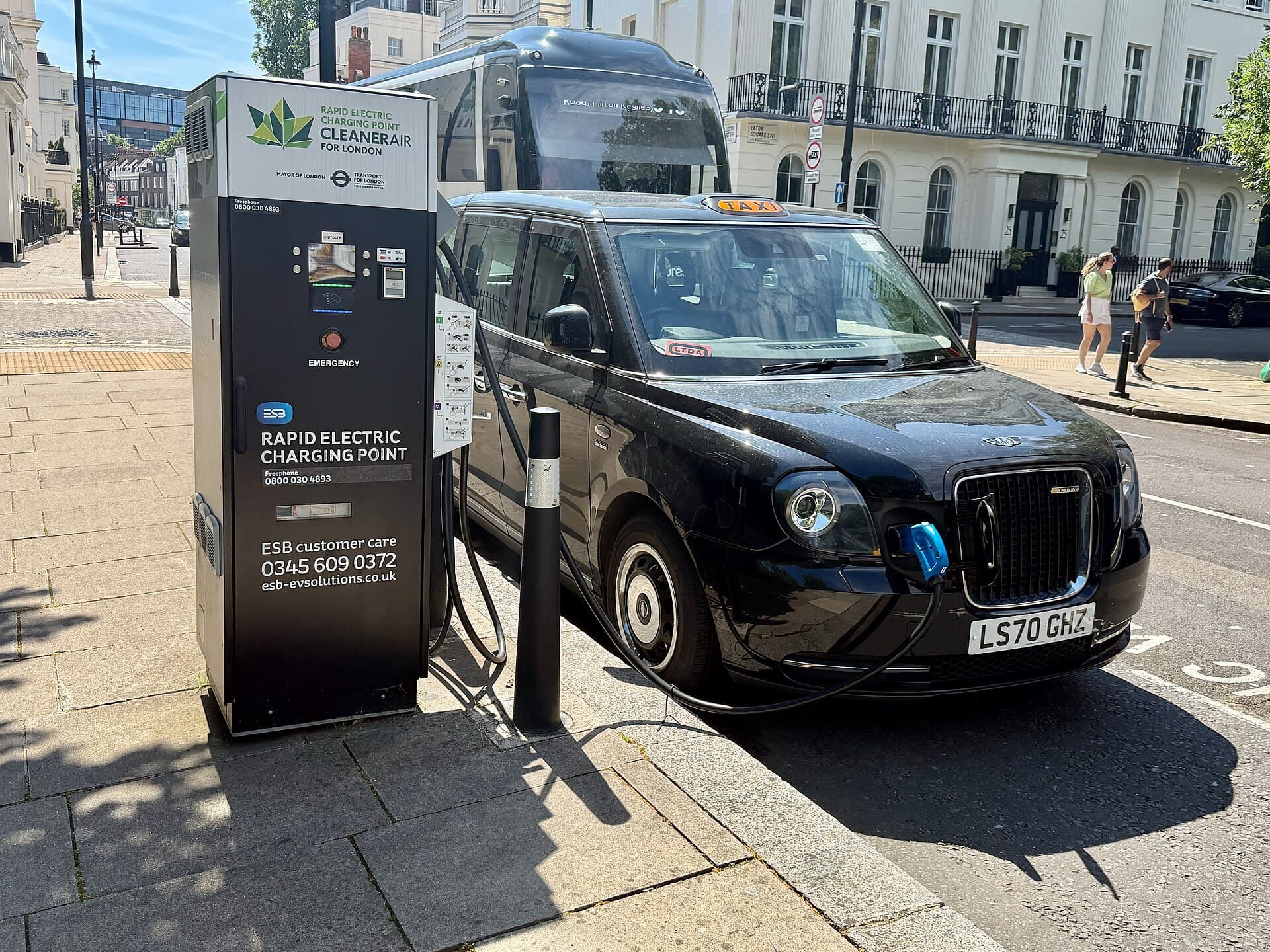
The difference is the pressure behind it. In the UK, the push comes from a mandate on manufacturers. In Australia, PHEV sales have grown after a tax incentive was taken away. We think that says something useful: given a choice and a working fuel network, a lot of buyers in both countries want electric driving with a petrol safety net, not a battery-only car.
| Feature | Australia | United Kingdom |
|---|---|---|
| October 2026 PHEV share | 10.9% | 15% |
| October 2026 BEV share | 23.1% | 32% |
| Main policy pressure | FBT break for PHEVs removed 1 April 2025 | Mandated electric target on manufacturers |
What it means if you're buying or selling
Buying new. Work out how often you will really charge. If you can plug in at home and drive mostly short distances, a PHEV can save fuel. If you can't charge easily, a conventional hybrid or an efficient petrol car is simpler and usually cheaper to own.
Buying used. Ask for the service history for the engine and the battery system, check the charging cable and port, and confirm what battery warranty remains and whether it transfers. Our hybrid car buying and selling checklist (opens in a new tab) has a full list. Remember the FBT point above if you plan to lease.
Selling. Buyers will want to see that the battery has been looked after. Include the charging cable, the service records and any battery health report you can get. You can buy, sell & show cars on MotorLoop, and it's free.
Our take
The end of the FBT exemption was supposed to cool plug-in hybrids. Instead they more than doubled in 2025 and are on track to do better again in 2026. We think that is buyers voting for flexibility: electric for the school run, petrol for the long weekend, and no charging anxiety.
That is a fair choice, and for the right driver it is a sensible middle road. But it is not a simple car. You are paying for, servicing and eventually repairing two drivetrains in one body. If you will plug it in every night, a PHEV can earn its keep. If you won't, we would take the conventional hybrid, or the honest petrol car, and keep the complexity out of the garage.
Header photo: Gogerr (opens in a new tab) via Wikimedia Commons, CC BY-SA 4.0 (opens in a new tab).
Related
- Should you buy a plug-in hybrid? (opens in a new tab)
- Hybrid car buying and selling checklist: HEV and PHEV pros and cons (opens in a new tab)
- Luxury car tax thresholds rise for 2026-27 (opens in a new tab)
- Europe backs away from its 2035 engine ban. What it means for petrol and hybrid buyers here (opens in a new tab)