Research checked 11 September 2026. Australian passenger cars and light vehicles.
Print this article using your browser's Print command, then tick each square as you complete the check. Write N/A beside items that do not apply. These are printable check boxes, not an online form.
Choose the right hybrid
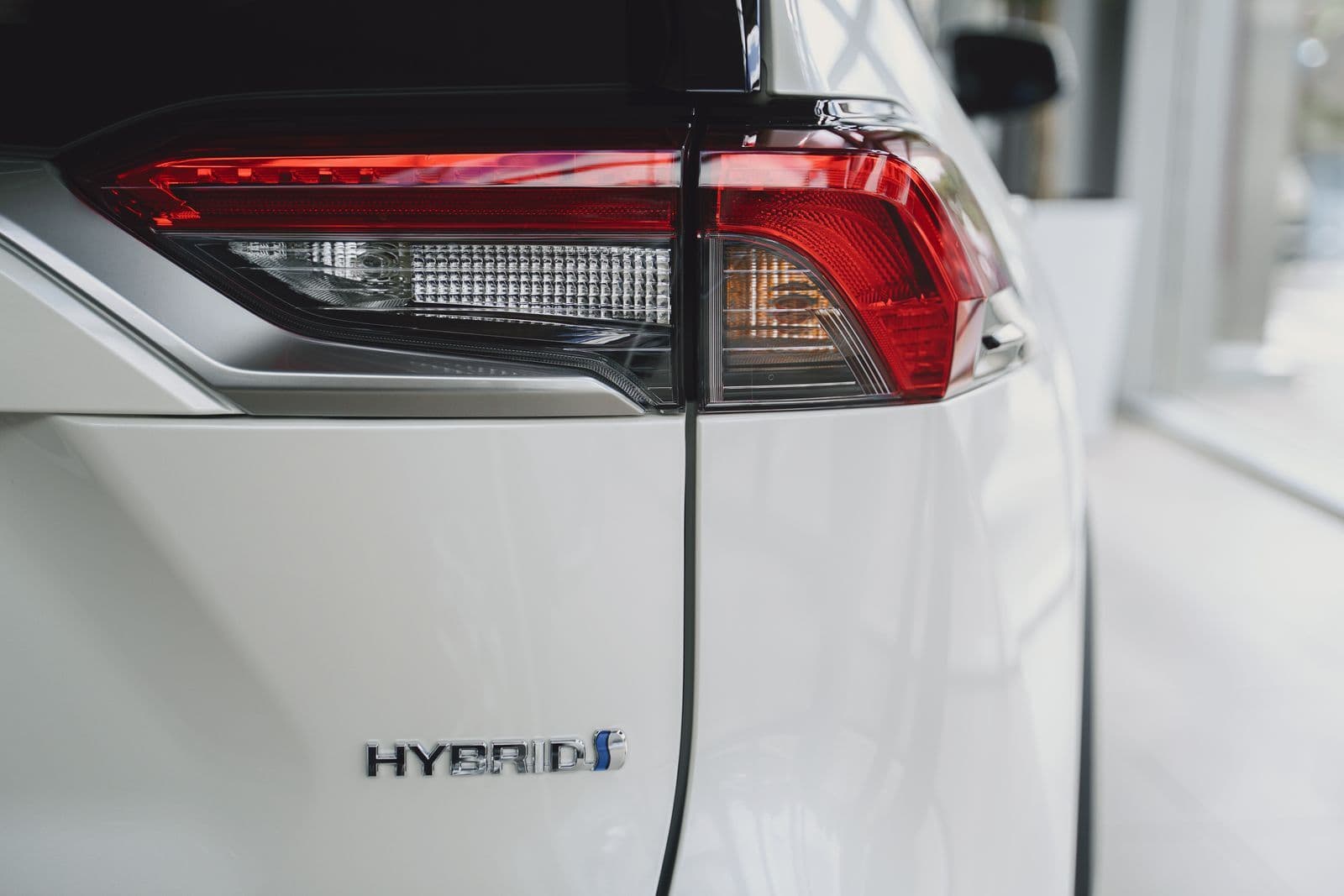
HEV, PHEV and mild hybrid are different products. Check the exact system.
Conventional hybrid (HEV)
- Advantages: no plug required; regenerative braking and engine/motor coordination can reduce fuel use, especially in urban driving.
- Trade-offs: still burns fuel and needs engine servicing; usually only limited electric-only operation, with model-dependent highway savings.
Plug-in hybrid (PHEV)
- Advantages: charged regularly, it can cover many local trips using electricity while retaining an engine for longer journeys.
- Trade-offs: carries both engine and electric systems; requires charging access to realise its potential. Fuel use rises when battery charge is low.
Mild hybrid
- A small electrical assist system supports the engine. It generally cannot offer the electric-only driving of a full hybrid or PHEV.
- Do not infer range, charging capability or fuel savings from the word hybrid in an advertisement.
Check your fit
- ☐ Confirm whether it is HEV, PHEV or mild hybrid, and the actual electric-only capability.
- ☐ For a PHEV, estimate how often you will plug in and compare both charged and depleted-battery fuel use.
- ☐ Check boot space, payload, towing approval, battery warranty and local service support.
- ☐ Compare full purchase and running costs with an equivalent petrol car and EV.
HEVs suit drivers seeking fuel savings without plugging in. PHEVs need a realistic charging routine; a low combined laboratory fuel figure may not match your driving.
Hybrid buying & selling checks
Check both the combustion engine and the electric drive system.
Buying any hybrid
- ☐ Verify the exact hybrid type, battery specification and manufacturer service schedule.
- ☐ Review hybrid battery warranty, age, kilometres, transfer terms and any required health checks.
- ☐ Arrange a hybrid-qualified inspection of engine, transmission, battery cooling, warning codes and high-voltage system.
- ☐ Test the transition between engine and electric operation and braking feel. Investigate abnormal noise or warnings.
- ☐ For used cars, check engine servicing even if the seller says it was driven mainly electrically; verify repair and recall history.
Extra checks for a plug-in hybrid
- ☐ Test the charge port and included cable; verify AC charging speed and whether that specific model supports DC charging.
- ☐ Compare observed electric range with your commute and the conditions of the test, rather than treating it as a battery-health measurement.
- ☐ Confirm home-charging arrangements and a fuel/energy cost estimate based on how frequently you will plug in.
Selling and handing over
- ☐ Put HEV, PHEV or mild hybrid in the listing; describe charging capability and battery condition without unsupported claims.
- ☐ Provide engine and hybrid-system service records, any battery report and the remaining warranty terms.
- ☐ For a PHEV, list the cables supplied and distinguish test-cycle range from your experience.
- ☐ Demonstrate drive/charge modes, transfer connected accounts and provide all keys and manuals after settlement.
Treat engine checks and battery checks as complementary. The presence of one working system does not establish the condition of the other.
Keep your next move on MotorLoop
Compare cars or prepare your listing at motorloop.com.au. Use accurate vehicle details and supporting records to make your next buying or selling conversation more useful.
Research sources
- Green Vehicle Guide: vehicle and charging FAQs
- Green Vehicle Guide: hybrid electric vehicle guide
- RAC WA: buying a second-hand electric car
- Australian Government: vehicle recalls
General information only. Verify current government rules and vehicle-specific contract terms before committing. Auctions, imports, write-offs, deceased estates and commercial-use vehicles can require additional checks.