Ten months ago, Australian petrol was meant to catch up with the developed world. From 15 December 2025 every grade sold here was to carry no more than 10 parts per million of sulfur, down from 150 ppm in regular 91 and 50 ppm in premium, and the 95 grade was to carry fewer aromatics. That is what the explanatory statement to the Fuel Quality Standards (Petrol) Determination 2024 (opens in a new tab) set out, and it was the fuel half of a deal that lets carmakers bring their current European engines here.
Then the oil market broke. The federal government temporarily relaxed the sulfur limit on 12 March 2026 (opens in a new tab), and on 30 September it extended a 40 ppm transitional limit until 30 June 2027. So the honest answer to "is Aussie petrol clean now?" is: mostly yes in the tank, not yet on paper.
For anyone buying a new car, keeping an old one or nursing a classic, this matters more than the headlines suggest. It decides which engines we get, what your car should drink, and whether cleaner fuel through the servo network we already have is a better deal than it looks. We think it is, with caveats.
At a glance
- Legal limit before 15 Dec 2025
- 150 ppm sulfur (91), 50 ppm (95 and 98)
- Limit set from 15 Dec 2025
- 10 ppm, all grades
- Temporary limit now
- 40 ppm until 30 June 2027
- Back to 10 ppm
- 1 July 2027
- 95 aromatics cap
- 35 per cent, down from 45
- Europe went to 10 ppm
- 1 January 2009
What changed in December 2025
Two things, both written into the 2024 petrol determination (opens in a new tab). First, sulfur: until 14 December 2025 the cap was 150 ppm for 91 and 50 ppm for 95, and from 15 December it became 10 ppm for every grade. Second, aromatics: in the 95 grade the limit fell from 45 per cent to 35 per cent, while 91 and 98 kept the 45 per cent cap. Aromatics are octane-boosting hydrocarbons, and the same document explains why they mattered: the government's review found that bringing in Euro 6d vehicle standards needed a grade of petrol with a 35 per cent aromatics limit.
Sulfur is the part that makes headlines, and with reason. Brian Oliver, a researcher at UTS, explains (opens in a new tab) that burning sulfur-containing petrol raises sulfur dioxide emissions, that sulfur dioxide forms sulfate particles which make up a significant share of fine particle pollution, and that sulfur also makes catalytic converters less effective, which lets other pollutants through.
The 10 ppm target has a long and slightly embarrassing history. The same explanatory statement (opens in a new tab) records that the government legislated 10 ppm in 2019 to start in 2027, brought it forward to 2024 in July 2022, then pushed it back to December 2025 because refineries said supply-chain disruption was delaying the upgrades they needed. AAP FactCheck has a useful timeline of who did what (opens in a new tab): the coalition made the 2019 standard and announced refinery grants in 2021, Labor wrote the earlier deadline into law, and the date moved again in December 2023.
Why the engines were the point
Cleaner fuel was never really about the fuel. It was about the cars. The 2024 explanatory statement records the Federal Chamber of Automotive Industries' position that importers could not bring the latest vehicle technology to Australia without better petrol, because Euro 6d vehicles need ultra-low sulfur and low-aromatics petrol (opens in a new tab) to achieve their best performance and longevity. It also notes that 85 per cent of the world's light vehicle fleet is sold in countries with a 35 per cent aromatics cap.
Carmakers said the same thing in public for years. In 2019 Volkswagen Australia told Chasing Cars that the T-Roc R might not come here because of petrol quality (opens in a new tab), since the petrol particulate filters newer engines were starting to need could clog on high-sulfur fuel, and a VW spokesman said sulfurous fuel would make it increasingly difficult to get the latest engines in a timely fashion. A petrol particulate filter is the petrol equivalent of a diesel's DPF: a ceramic filter in the exhaust that traps soot.
The vehicle side of the bargain is Australia's new emissions rules. The Department of Infrastructure says Euro 6d-equivalent standards (opens in a new tab) apply to light-vehicle models approved and supplied for the first time from 1 December 2025, and to existing models from 1 July 2028 if makers want to keep selling them. Cars already registered are not affected and need no retrofit. The headline changes are a 55 per cent cut in the oxides of nitrogen limit for diesels and, for the first time, a limit on the number of fine particles from direct-injection petrol engines. That particle limit is, in our reading, what will push more petrol engines here towards particulate filters.
The department also put a price on it. It expects the technology to add $450 to $1,000 to the cost of supplying a new car (opens in a new tab), and the 95 aromatics change to add 0.9 cents a litre to 95, or about $8 a year for an average passenger car that needs it. It notes the rules accept vehicles meeting the US Tier 3 standard but not Japan's, because Japan's durability requirement of 80,000 km is lower than the 160,000 km Euro 6 demands.
- 150 ppm
- Sulfur allowed in 91 until December 2025
- 40 ppm
- Temporary limit until 30 June 2027
- Under 10 ppm
- Measured national average during the relaxation, per DCCEEW
The relaxation, and what is actually in the tank
On 12 March 2026 the Minister for Climate Change and Energy announced a temporary increase in the sulfur limit to support domestic supply, as the Department of Climate Change, Energy, the Environment and Water (DCCEEW) (opens in a new tab) explains, citing global oil trade constraints stemming from conflict in the Middle East. Later amendments allowed 50 ppm until 30 September 2026, with a transitional 40 ppm limit after that. On 30 September the government extended the 40 ppm limit to 30 June 2027 because of ongoing disruption. From 1 July 2027 all petrol must meet 10 ppm.
The reason was practical. According to AAP FactCheck (opens in a new tab), Ampol told investors on 20 March that the relaxed limits would let it supply an extra 80 to 100 million litres of petrol a month to the domestic market. The UTS piece puts the government's figure (opens in a new tab) at around 100 million extra litres a month, diverted from export markets to Australian service stations, particularly in regional areas. If you want the wider picture on how thin Australia's fuel buffer is, our earlier piece on weeks of stock versus Japan's months (opens in a new tab) covers it, so we won't repeat it here.
Here is the part that deserves more attention than it got. DCCEEW says its testing during the temporary amendments shows average sulfur levels across Australia have stayed below 10 ppm (opens in a new tab), with only one region slightly above 10 ppm and still well below the temporary maximum. In other words, the legal ceiling went up, but the fuel in most tanks did not get much dirtier. The department says it does not expect the temporary change to affect vehicles, and that motorists should keep using the fuel recommended for their vehicle.
The refineries
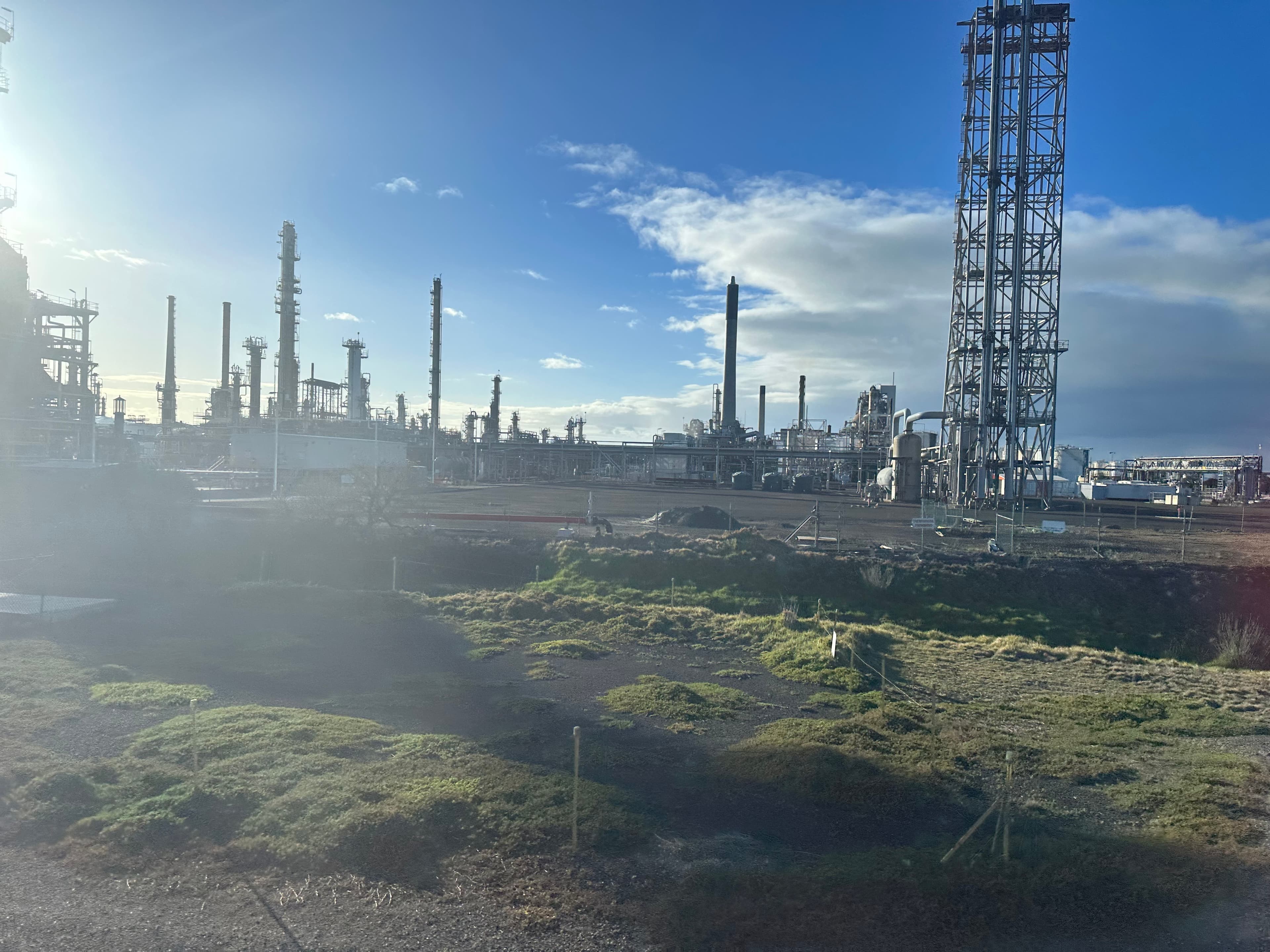
Australia's two refineries both had to spend money. AAP FactCheck reports that in 2022 Ampol's Lytton refinery in Brisbane and Viva Energy's Geelong refinery each received $137.5 million (opens in a new tab), including GST, to produce low-sulfur fuel, and each got a further $28.6 million in 2024 for the aromatics change.
Geelong got there first. Viva Energy says its ultra-low sulfur gasoline plant was opened on 18 December 2025 (opens in a new tab), as part of a $400 million refinery upgrade with a $150 million committed contribution from the Australian Government, and that the sulfur it strips out is sold as elemental sulfur for fertiliser. Its chief executive Scott Wyatt said the plant lets the company produce the cleanest petrol it has ever made in Australia.
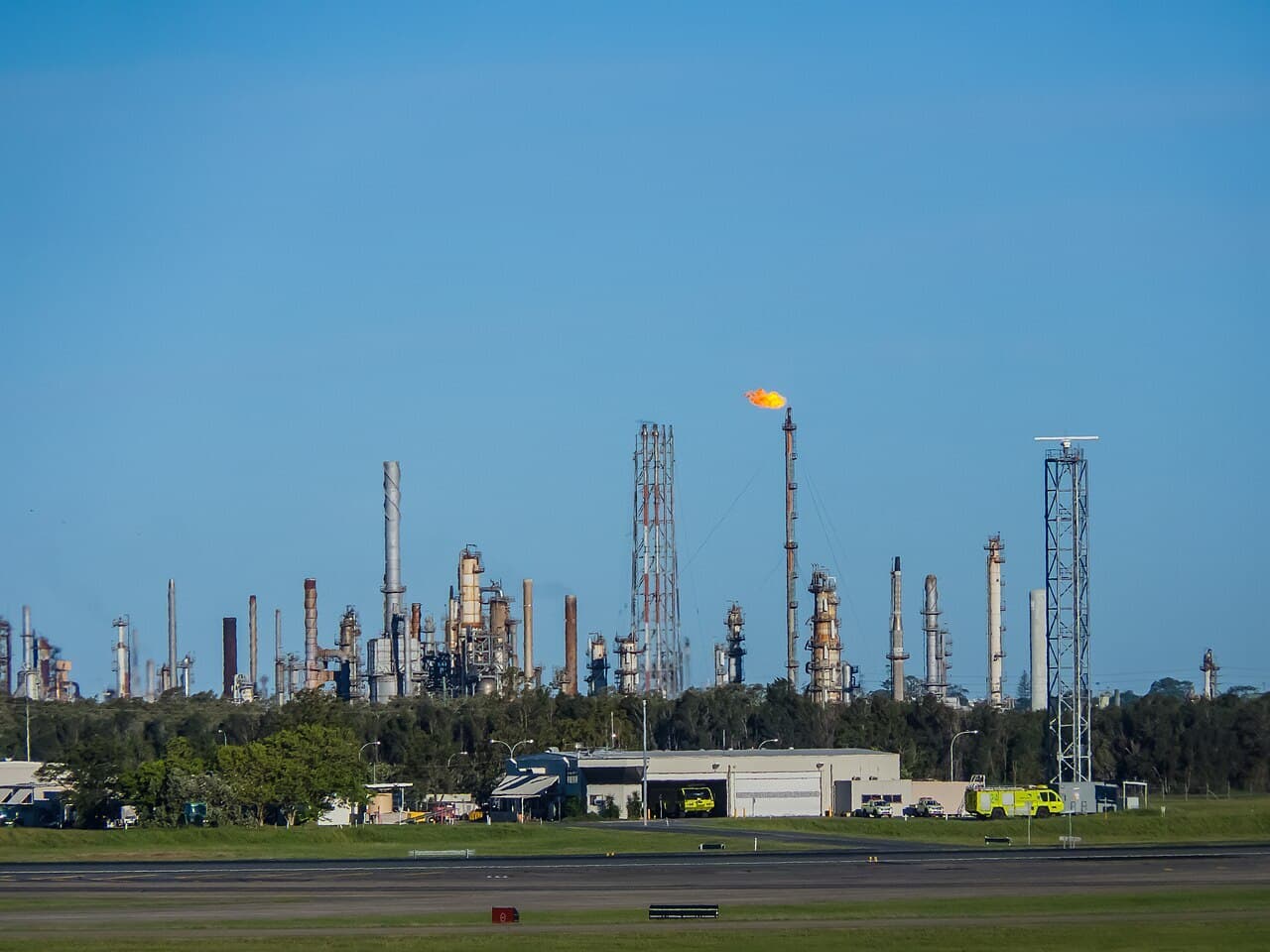
Lytton has not got there yet. AAP FactCheck says Ampol told shareholders in October 2025 its upgrades would not be finished before mid-2026, and according to a Motley Fool report on Ampol's third-quarter update (opens in a new tab), commissioning of its Ultra Low Sulfur Fuels project is now expected in the first quarter of 2027. Our reading is that this is a big part of why the relaxation was needed: Queensland's refinery could not yet make 10 ppm petrol when the supply shock arrived.
Older cars and classics on today's fuel
Here is the good news for anyone with an older car. Sulfur in petrol does nothing useful for an engine; the push to remove it was always about exhaust after-treatment and air quality. Your older car spent most of its life on fuel allowed far more sulfur than today's ceiling, and DCCEEW's position is that the temporary change is not expected to affect vehicles (opens in a new tab). We could not find any Australian motoring club, fuel supplier or government advice warning owners of older cars against 10 ppm petrol, and we would be wary of anyone selling an additive on that premise.
What does matter for older and classic cars is ethanol and octane, and those are separate questions. The NSW Government says older cars, particularly those built before 1986, should not use E10 (opens in a new tab) because their engines were not designed for ethanol blends, and the same goes for carburettor engines. It adds that high-performance, high-compression engines are often not E10 compatible either. E10 is 91 blended with 9 to 10 per cent ethanol, which lifts it to about 94 RON. The NSW compatibility database only covers petrol cars built after 2000 (opens in a new tab); for anything older the advice is to ask the manufacturer.
For pre-1986 cars that were built for leaded petrol, there's a separate question about valve seats, which we cover in our piece on leaded petrol and what classic cars run on now (opens in a new tab). And if you're unsure between grades for a newer car, our guide to which fuel your car actually needs (opens in a new tab) settles 91, 95, 98 and E10 case by case.
The world view: Europe did this in 2009
The European Union is the obvious comparison because our new vehicle rules are based on its Euro 6, and because it took the same step in a much more orderly way.
Under Directive 2003/17/EC, Europe first required 10 ppm petrol and diesel to be available so that new vehicles needing it could be sold, then made it compulsory for all road fuels. The European Commission's monitoring report confirms that from 1 January 2009 the sulfur content of all automotive road fuels in the EU was limited to 10 ppm (opens in a new tab), and it shows how the average fell: EU petrol averaged 68 ppm in 2001, 38 ppm in 2004, 18 ppm in 2006 and 6 ppm in 2009. The same report says low sulfur both reduces air pollution and supports the introduction of new engine technology. It also notes that 91 RON made up just 1.5 per cent of EU petrol sales in 2009, against 64.4 per cent for 95.
That puts Australia's December 2025 date nearly 17 years behind Europe, and the full return to 10 ppm in July 2027 more than 18 years behind.
Europe has also moved on to what comes next. The Euro 7 regulation, according to the European Parliament's legislative summary (opens in a new tab), applies from 29 November 2026 for new types of cars and vans and from 29 November 2027 for new vehicles. It keeps the existing Euro 6 exhaust limits for cars but adds a limit on even smaller particles, sets stricter limits on particles from braking with specific limits for electric vehicles, brings tyre abrasion into scope with dates starting in July 2028 for new types of passenger-car tyres, and sets battery durability limits.
| Feature | European Union | Australia |
|---|---|---|
| 10 ppm compulsory for all petrol | 1 January 2009 | Set for 15 December 2025, now due 1 July 2027 |
| Average petrol sulfur in the transition | 6 ppm in 2009 | Below 10 ppm during the relaxation, per DCCEEW |
| Low-octane 91 share of sales | 1.5 per cent in 2009 | Still sold as regular unleaded |
| Next step | Euro 7: brake and tyre particles, battery durability | Euro 6d for all new light vehicles by July 2028; review in 2030 |
What can Australia learn? We'd point to three things.
- Stage it and stick to it. Europe made clean fuel available first, then made it compulsory. Australia's date moved from 2027 to 2024 to 2025, and the full limit now lands in 2027 after all. Every slip tells carmakers and refiners that the date is negotiable.
- Treat refining as security, not just emissions. The relaxation was needed because supply was tight and one of our two refineries was not ready. A standard that can't survive a supply shock without being loosened needs refining or import capacity behind it that can.
- Watch the particles Euro 7 is chasing. Brake and tyre particles are not an exhaust problem, and Europe is regulating them with specific limits for electric vehicles. That is a reminder that heavier cars shed particles whatever drives the wheels. The 2024 explanatory statement says Australia will review its fuel and noxious emissions standards in 2030 (opens in a new tab); we think that review should look squarely at non-exhaust particles.
The counterpoint: late, and not free
There's a fair case against how this was done. It was late, as the dates above show. It was also paid for by the public twice: once through refinery grants, and again at the bowser. The Office of Impact Analysis notes the 2018 regulation impact statement put average annual regulatory costs at $346 million (opens in a new tab), and the Department of Infrastructure expects 95 to cost 0.9 cents a litre more and new cars $450 to $1,000 more to supply. Those costs land on everyone, including drivers of older cars who get the cleaner fuel but not the new emission hardware that benefits most from it.
And the standard was loosened at its first serious test. Brian Oliver at UTS put the public-health trade plainly: any extra burden from the relaxation is likely to be small and short-lived but not zero (opens in a new tab), and detours from the clean-fuel path should be taken cautiously, transparently and for as little time as possible. A measure first announced for 60 days and now extended to more than 15 months is stretching the word temporary.
Cleaner fuel means cleaner air – and cleaner air saves lives.
What it means if you're buying or selling
Buying new. Any model approved here for the first time since 1 December 2025 has to meet Euro 6d, and existing models must by July 2028, according to the Department of Infrastructure (opens in a new tab). Use the grade on the fuel flap, especially if it says 95 or 98; that matters more than the sulfur limit, and DCCEEW's advice is the same. If the engine has a particulate filter, think about how you drive: our piece on DPFs and short trips (opens in a new tab) explains how the diesel version caught Australian owners out.
Buying used. A car built before the new rules is not worse for it, and it will run happily on today's fuel. If you're weighing up a newer European engine, the old argument that our fuel would choke it has mostly gone, though the relaxation means the job is not finished until July 2027. Ask for the owner's manual, check what grade the engine was designed for, and budget for it, because a car that needs 98 costs more to run every week.
Selling. If your car needs 95 or 98, say so in the ad and show the service history. Buyers who have read about particulate filters will ask how the car has been used. If it is a pre-1986 or carburettor car, say what fuel you've been running and whether it has been converted for unleaded. MotorLoop lets you buy, sell & show cars, and it's free.
Check the manufacturer's fuel advice or your club's, and avoid E10 where the NSW Government says to: pre-1986 cars, carburettor engines and many high-compression engines. Run the octane grade the engine was built for, and check the bowser label to confirm the fuel you choose is not an ethanol blend. If the car will sit for weeks, follow your club's storage advice, use a fuel stabiliser only as its maker directs, and drive it regularly rather than leaving it for months.
Our take
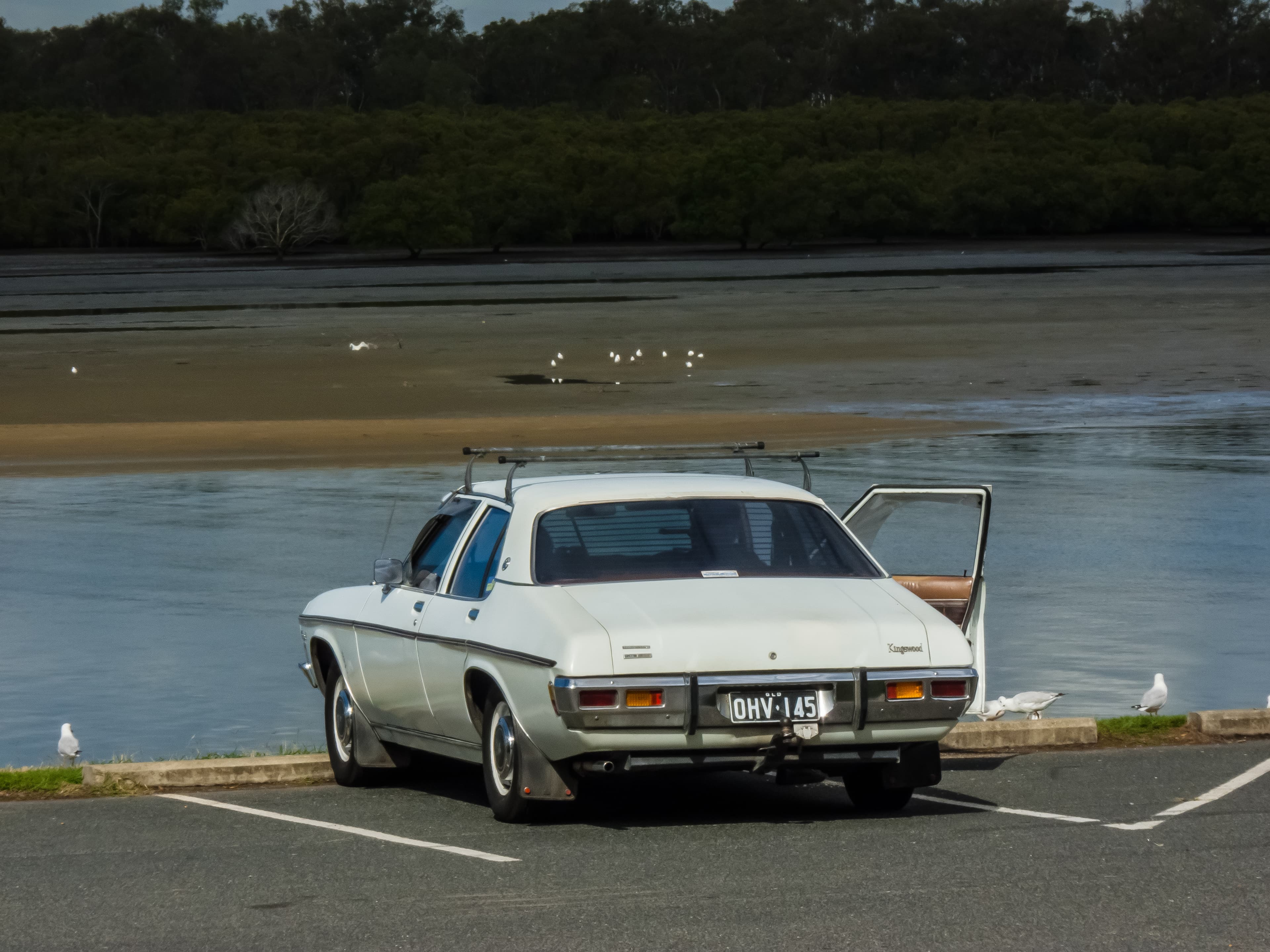
This is our view. Australia did the right thing in the wrong order and at the wrong speed. Cleaner fuel through the servo network we already have is one of the cheapest emissions gains on offer: no new infrastructure, no new plugs, and it reaches a 2026 hatchback and a 1970s Kingswood alike. It improves the air from the whole existing fleet as it fills up, not just from the minority of buyers who can afford a new car this year.
It also proves a point the brochure-led debate keeps missing. Combustion engines have kept getting cleaner, and much of that has come from better fuel and after-treatment rather than from replacing the car. That is a gain you get without scrapping a car whose build emissions are already spent.
But a standard that arrived nearly 17 years after Europe's and was then relaxed for more than 15 months is not one to boast about. We'd like the 1 July 2027 date to hold, Lytton's upgrade to finish when Ampol now expects, and the 2030 review to look at what Euro 7 is now chasing: particles from the brakes and tyres that heavier cars of every type shed on our roads. Keep the fuel clean, keep the date fixed, and let owners keep driving the cars they have.
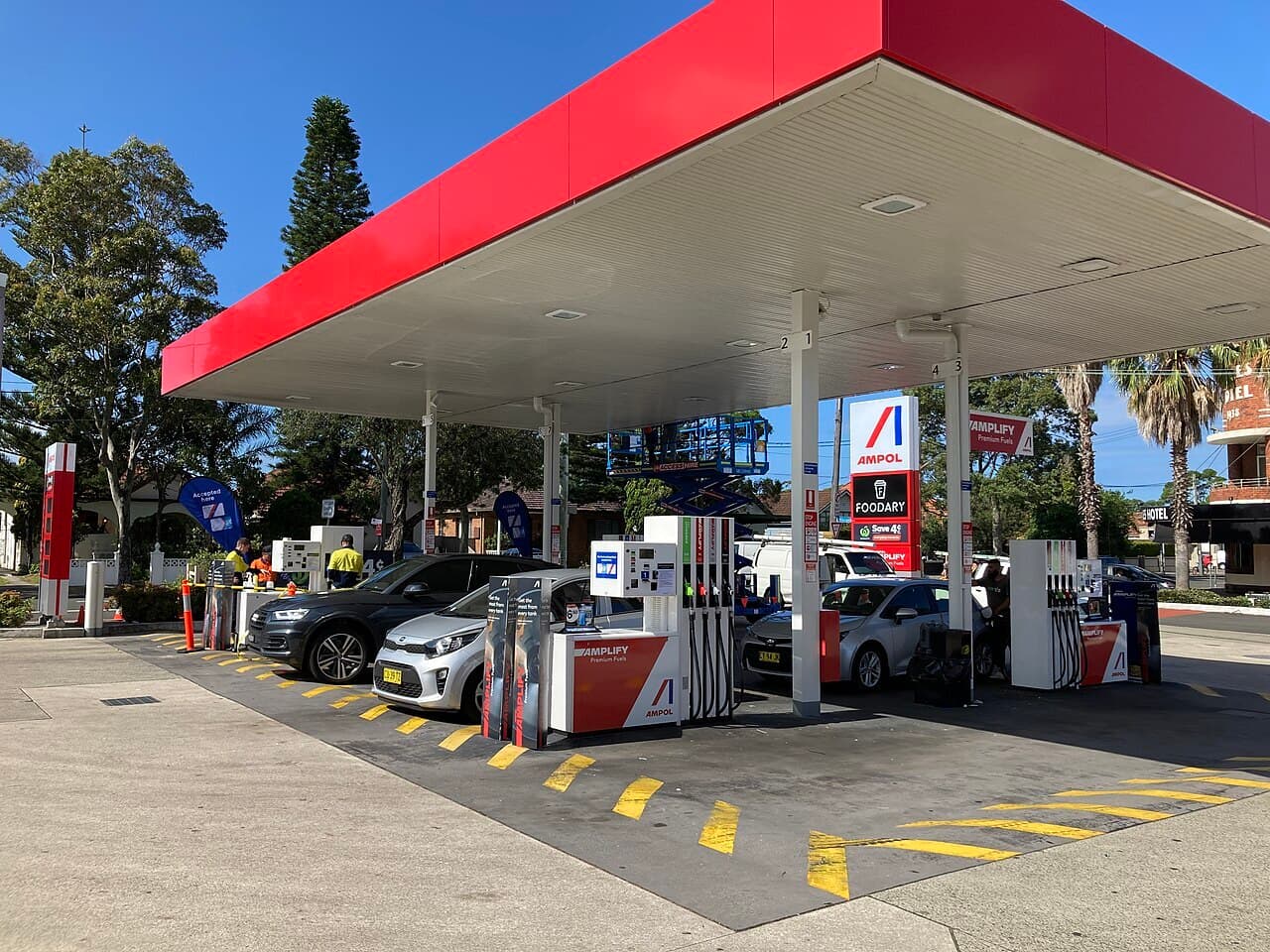
Header photo: Totallynotarandomalt69 (opens in a new tab) via Wikimedia Commons, CC BY 4.0 (opens in a new tab).
Related
- Australia's fuel quality standards: the 10 ppm sulfur rule, the 2026 relaxation and what it means for your car (opens in a new tab)
- Australia holds weeks of fuel, Japan holds months. The servo isn't the weak link (opens in a new tab)
- Which fuel does your car actually need? 91 vs 95 vs 98, E10 and diesel, settled (opens in a new tab)
- Leaded petrol in Australia: the history, the 2002 ban and what classic cars run on now (opens in a new tab)