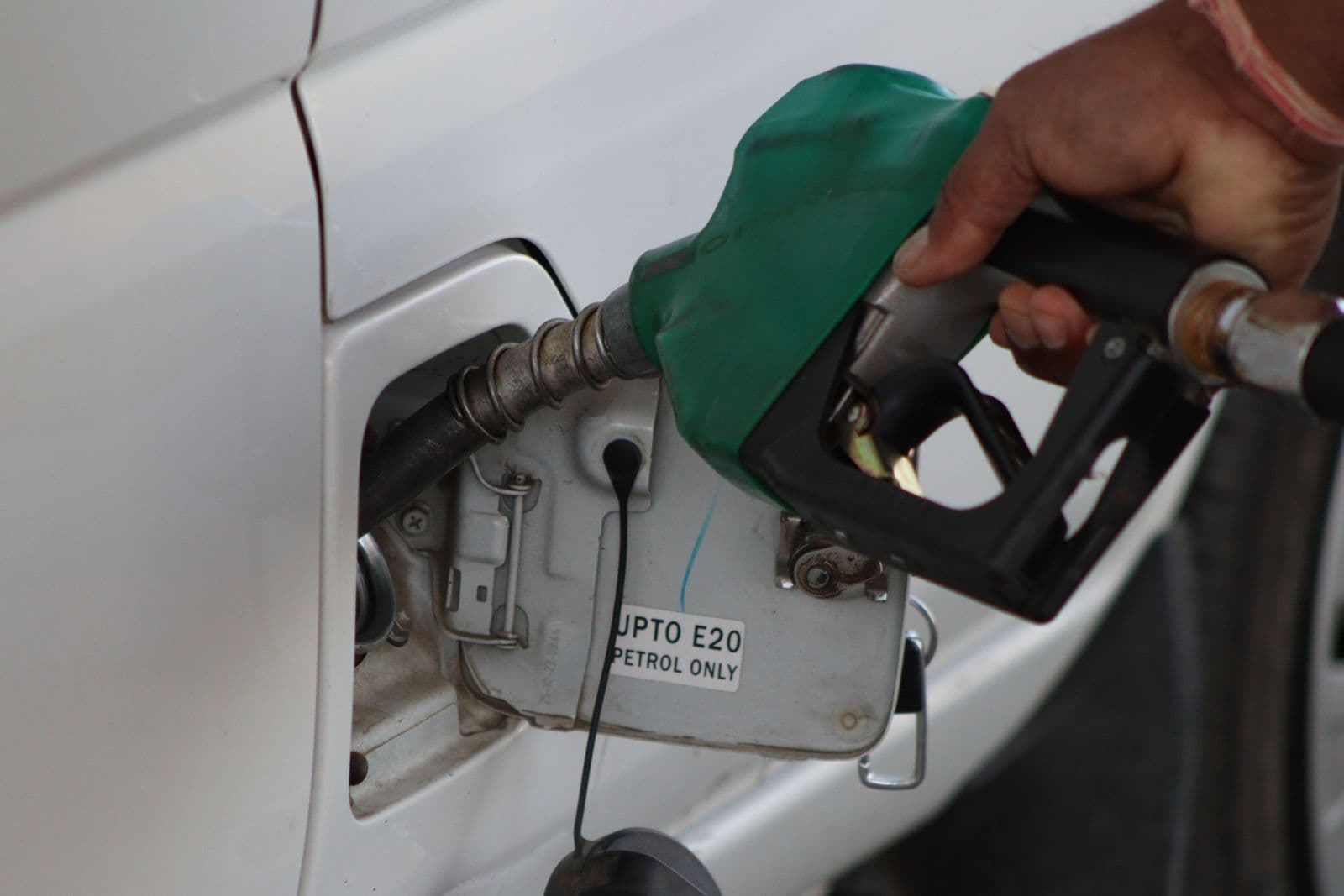
Fuel is where owners leak money in two opposite directions: paying for 98 octane a regular engine can't use, or running low-octane fuel in an engine that needs it and paying in carbon-clogged intake valves instead. The fix takes thirty seconds — the inside of your fuel filler flap tells you exactly what to buy.
Higher octane is not higher energy. It is resistance to knocking. An engine designed for 91 gains nothing from 98 except a lighter wallet; an engine that requires 95+ genuinely suffers on less.
What the number actually means
Octane rating measures a fuel's resistance to pre-ignition — burning from compression heat before the spark fires. Knocking wastes energy and over time damages pistons. Engines with high compression ratios or turbochargers compress the mixture harder, which is why they need the knock resistance of 95 or 98. Regular engines are engineered around 91 and cannot exploit more. There is no "cleaner" or "more powerful" energy in a litre of 98 versus 91 — only different resistance behaviour under pressure.
The three labels on the pump
- Unleaded 91 — correct for the majority of ordinary petrol engines. If the filler flap or manual says unleaded 91 or higher, this is your fuel.
- Premium 95 / 98 — required where the maker says "minimum 95 RON" (many turbocharged and performance engines). Some modern engines adapt timing between tanks; they'll run on less without immediate damage but lose power and economy, and long-term knocking risk isn't worth the saving.
- E10 / ethanol blends — 94-ish RON with up to 10% ethanol. Fine for most post-2006 petrol cars, wrong for some: older fuel systems, certain direct-injection designs, marine and small engines, and anything the maker excludes. Ethanol attracts water and can degrade older rubbers and seals. Check the list on the bowser or your manual — "E10 compatible" is a specific engineering statement, not a suggestion.
Diesel is a separate universe entirely — misfuelling a diesel with petrol is the classic forecourt disaster, and the reverse destroys modern petrol injectors too. Modern capless fillers make it harder, not impossible.
Reading the filler flap
Open it. You will find something like "UNLEADED ONLY", "91 RON MINIMUM", "PREMIUM UNLEADED ONLY 95/98", or an E10 compatibility statement. That sticker is the manufacturer's engineering position, warranty-relevant and definitive. It outranks everything a servo attendant, a forum or this article says.
Where the money actually is
Two habits save real money on fuel, and neither involves octane:
- Shop the price cycle. Capital-city petrol prices swing in predictable cycles; filling at the trough rather than the peak saves multiples of any octane decision over a year. Fuel-check apps exist because the spread is large and real.
- Tyre pressures and roof racks move consumption more than fuel brand ever will.
And one myth worth retiring: there's no maintenance benefit in "treating" a regular engine to a tank of 98 occasionally. If the manual says 91, every litre of premium is a donation.
When you're buying the car
Fuel requirements are part of running costs the same way insurance is — a turbo performance car demanding 98 costs meaningfully more per year than the same-sized naturally-aspirated alternative, and E10-incompatible cars force you onto dearer fuel in E10-heavy regions like much of NSW. Factor it into comparisons the way you already factor kilometres (opens in a new tab) and service history.