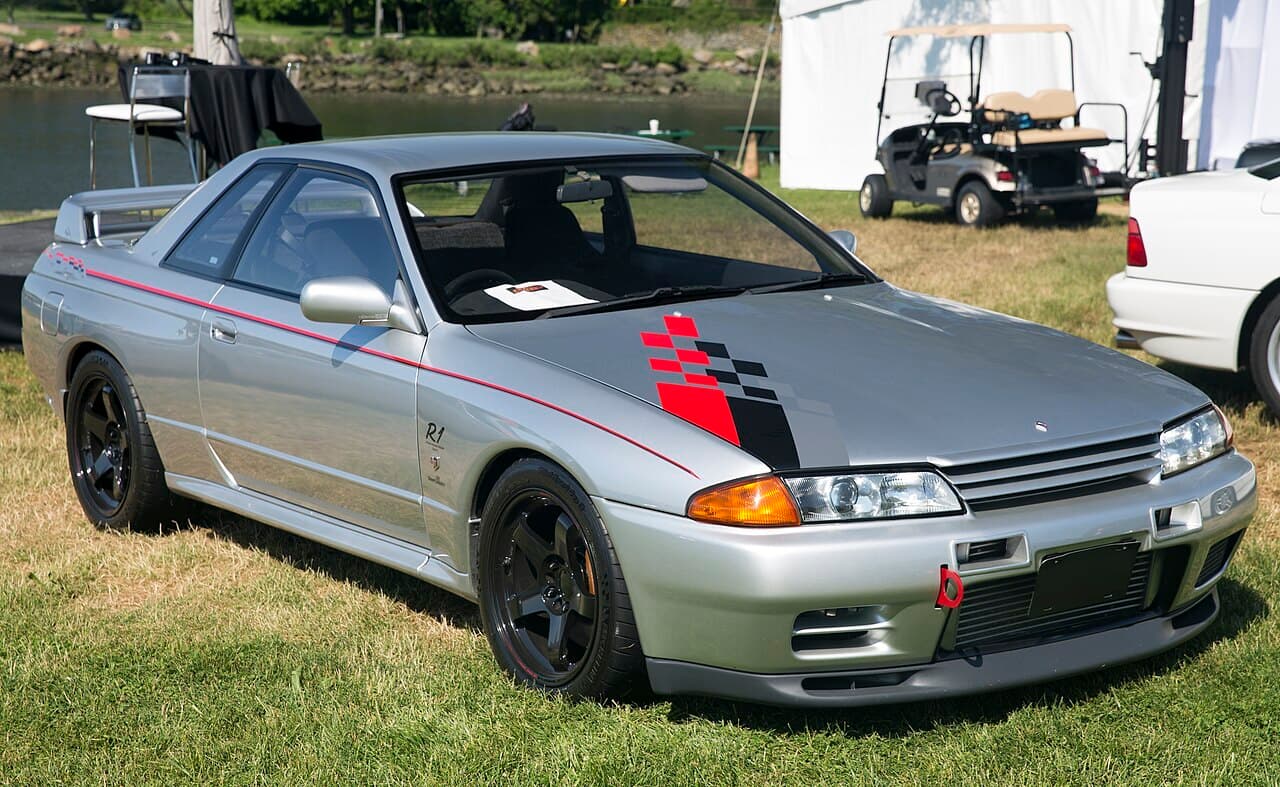
On 22 October 2026 Nissan's performance arm opened its first NISMO Performance Center outside Japan (opens in a new tab), inside Ferntree Gully Nissan in Melbourne. Nissan says the centre offers restoration programs, NISMO performance and heritage parts, and factory-certified NISMO Meisters, with more Australian centres planned from 2027. An Australian with an old Skyline GT-R now has a factory door to knock on.
We think that is worth more than any new model launch this year. Nissan, Toyota, Mazda and Honda are all, in different ways, remaking parts for cars they stopped building decades ago. That is what respecting an owner looks like. It is the opposite of a car whose control modules and screens quietly drop out of the parts catalogue a decade after it is sold.
Japan's heritage programs, November 2026
- Nissan / NISMO
- Restoration and heritage parts; first overseas Performance Center opened in Melbourne, 22 Oct 2026
- Toyota GR Heritage Parts
- Eight models, from the 2000GT to the Land Cruiser 80; new orders opened 2 Nov 2026
- Mazda (Classic Mazda)
- NA MX-5 restoration in Japan since 2017; about 170 parts reproduced
- Honda Heritage Works
- First-generation NSX first; parts to be sold worldwide through normal Honda channels
Nissan: a factory restoration shop in Melbourne
NISMO's heritage work grew out of the Omori Factory in Japan. Nissan's own release says the Melbourne centre gives Australian customers access to the Omori Factory's expertise (opens in a new tab). In December 2025 Nissan and its motorsport subsidiary said they planned to grow their restoration, restomod and parts businesses (opens in a new tab), starting with the R32, R33 and R34 Skyline GT-R and adding more vehicles and regions later. The same release puts the global restoration market at about 500 billion yen.
That last figure explains the commercial logic, and we don't mind it at all. A maker that can earn money keeping old cars alive has a reason to keep them alive. Nissan first said in 2018 that R33 and R34 parts would go on sale (opens in a new tab) through the NISMO Heritage Parts program, which until now meant Japan. Melbourne is the first time that support has had a permanent address here.
Toyota: parts for a 4A-GE, made new
Toyota's version is GR Heritage Parts, run by Toyota Gazoo Racing. Its site says Toyota is working with suppliers to reproduce and reissue spare parts (opens in a new tab) for eight models: the 2000GT, A70 and A80 Supra, the AE86 Corolla Levin and Sprinter Trueno, and the 40, 60, 70 and 80 Series Land Cruisers. Owners can also lodge a reproduction request telling Toyota which parts they need.
The parts are not trinkets. Toyota's January 2026 notice listed a new cylinder head and cylinder block for the AE86 (opens in a new tab), components for the A80 Supra's six-speed manual, a right-hand-drive A80 instrument panel, and brake tubes, fusible links and speedometer cables for the Land Cruisers. The program's news feed shows orders opening for the 4A-GE cylinder head and block on 1 September 2026 (opens in a new tab), a Land Cruiser 40 speedometer cable on 1 October, and Land Cruiser 60 gauges and AE86 auxiliary air valve kits on 2 November.
For Australia, the Land Cruiser entries matter most. The 40, 60, 70 and 80 Series are farm, mining and touring tools here, not just collector cars. One caution: the notice says the parts are sold at Toyota dealers, but it names no country (opens in a new tab). Ask your dealer whether a given part number can be ordered in Australia before you assume it can.
Mazda and Honda: smaller, slower, still the right idea
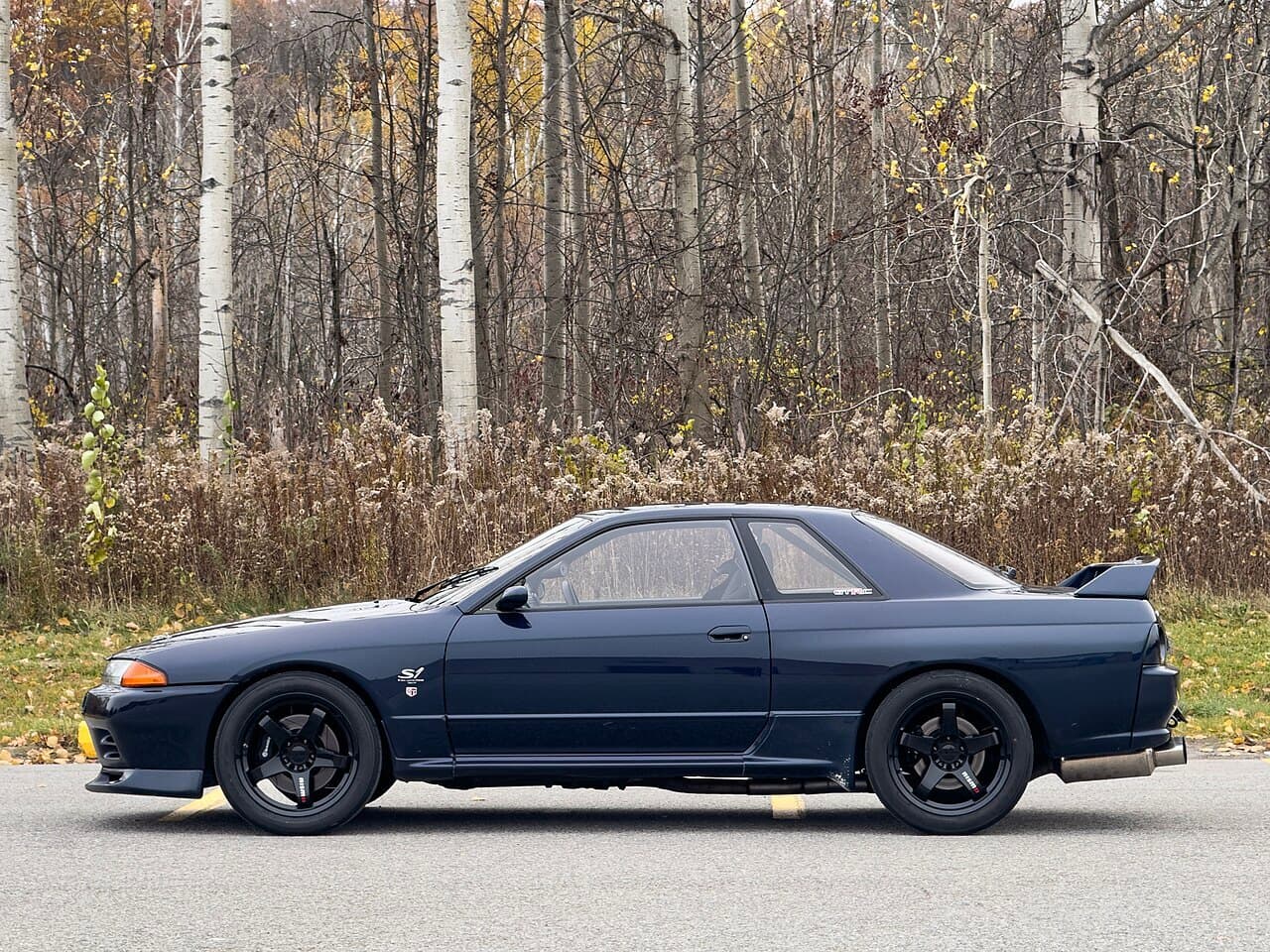
Mazda's program is the most hand-built. In a March 2026 feature, Mazda described Classic Mazda as a service offering restoration of older vehicles and reproduction of hard-to-find parts (opens in a new tab). The restoration service began in 2017 with the first-generation (NA) MX-5. Mazda says it has reproduced about 170 genuine parts, that 17 cars have been restored in about eight years, and that each takes four to five months, so some owners wait years. The same article mentions enquiries from across Japan and no service in any other market. Mazda also added the FC and FD RX-7 to its reproduction program in 2020, WhichCar reported at the time (opens in a new tab).
Honda is the newest. In December 2025 it announced Honda Heritage Works, due to launch on 1 April 2026 (opens in a new tab). It starts with the first-generation NSX, restored at the Takanezawa plant where the car was built. Honda's two kinds of parts are worth spelling out: "reproduction" parts made with the original materials and methods, and "compatible" parts that are redeveloped to replace ones no longer available. The part that matters for Australians is distribution: Honda says Heritage Parts will be available globally through the same channels as standard Honda genuine parts (opens in a new tab). The restoration service itself is in Japan.
Why we think this matters more than any launch
Here is our argument, and it is opinion. A car is only as durable as its parts supply. A 1989 GT-R or a 1985 AE86 survives because its parts are mechanical and its electronics are simple enough that a maker can remake a speedometer cable, a gauge or even a cylinder head and the car is whole again. Toyota's own list is mostly steel, rubber and castings.
Now picture the same exercise in 2046 for a 2026 car. The things most likely to fail are not brake tubes. They are infotainment screens, battery packs, inverters and the dozens of networked control modules that talk to each other and to the maker's servers. Remaking one of those is not a matter of re-tooling a casting. It needs the chip, the firmware and a maker still willing to sign the software. We said much the same when China passed a third of Australia's new-car supply (opens in a new tab): the question is not who builds the car, but who still fixes it in ten years.
The fair counter is that these programs cover a few famous models, and that Japanese makers also sell software-heavy new cars. Both true. Nobody is remaking parts for a 1998 Corolla sedan, and the economics only work for cars people love. But that is our point. These programs exist because owners kept simple, repairable cars on the road long enough for them to become loved, and the makers followed the owners.
A maker that can earn money keeping old cars alive has a reason to keep them alive.
Another perspective: Japan's makers as custodians
In Japan, this kind of support sits inside the factory. Honda is restoring NSXs in the plant that originally built them (opens in a new tab). Mazda restores cars at a facility certified to a TÜV Rheinland Japan classic-car workshop standard (opens in a new tab). Toyota asks owners directly which parts to remake next through its reproduction request form (opens in a new tab). That is a different relationship from a recall notice or an over-the-air update. It treats the old car as the owner's property and the maker as its custodian.
What we would like Australia to take from it is simple. These programs are now within reach here, starting in Melbourne, and Australian owners are exactly the people they were built for.
What it means if you're buying or selling
Buying. A car covered by a heritage program is easier to keep original. If you are shopping for an R32 to R34 GT-R, an AE86, an A70 or A80 Supra, an older Land Cruiser, an NA MX-5 or a first-generation NSX, factor in that genuine parts are being remade. Still check part-by-part: availability, price and whether a given item ships to Australia vary.
- Ask the seller what has been replaced and with which parts, genuine heritage, aftermarket or second-hand.
- For a GT-R, ask a NISMO Performance Center or a specialist to assess the car before you buy.
- Check the import paperwork. Our guide to the 25-year import rule (opens in a new tab) explains what a legally imported Japanese car should come with.
Selling. Receipts for genuine reproduction parts, or a factory restoration, are worth photographing and listing. They tell a buyer the car has been kept the way its maker intended. You can buy, sell & show cars on MotorLoop, and it's free.
Toyota's heritage notices name dealers but not countries. Give your local dealer the part number from the GR Heritage Parts site and ask them to confirm it can be ordered for Australia.
Our take
We think Japan's makers have shown the industry what an ownership promise could look like: we built it, people kept it, so we will keep making the bits. Nissan putting a restoration centre in Melbourne turns that promise into something an Australian can drive to.
Our worry is the next generation. The cars in these programs are mechanical enough to be remade. The cars being sold today are not, and we doubt any maker will be reproducing 2026 control modules in 2046. If you want a car you can still fix in thirty years, the ones in these programs are the template.
Header photo: Mr.choppers (opens in a new tab) via Wikimedia Commons, CC BY-SA 3.0 (opens in a new tab).
Related
- The 25-year import rule: Australia rolls its clock too, and the R34 GT-R is coming of age (opens in a new tab)
- China now builds more than a third of Australia's new cars. Who fixes them in 2036? (opens in a new tab)
- Japanese exotics: NSX, LFA, GT-R and the art of the attainable supercar (opens in a new tab)
- The rotary engine: how Mazda made the Wankel work and why it came back (opens in a new tab)