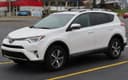
 2016 RAV4
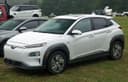 2020 Kona EV
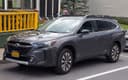 2023 Outback
Cheaper to buy is not cheaper to own
Two cars a few thousand dollars apart on the ad can finish a long way apart after five years of fuel, registration, insurance, servicing and tyres. A thirsty petrol SUV bought cheaply can cost more to keep than a dearer hybrid, and a cheap car financed over five years can cost more than a dearer one paid for outright. None of that is visible on a listing page, so the decision usually gets made on the asking price alone.
Cost Race answers the question a single listing cannot: of the cars I am actually choosing between, which one leaves me better off at the end?
How the race works
Shortlist up to eight cars as you browse, then start the race. Each car runs in its own lane, and the lanes measure money rather than speed — further along the track means more money gone, so the car sitting closest to the start line is the one that has cost you least. The finish line is five years.
Three modes change what gets counted. Cash puts the whole purchase price on the start line. Finance puts the deposit there and then accrues weekly repayments. Running costs only ignores the purchase entirely and races fuel, rego, insurance and servicing on their own, which is the mode to use when you already own one of the cars.
Every number is yours to change
The inputs split in two, and the split is deliberate. Facts about you — the mode, the kilometres you drive a year, the loan term, the deposit, the interest rate and the fees — are shared across every lane, because you drive the same distance and borrow on the same terms whichever car you buy. Facts about the car get a column each: price, fuel type, consumption, fuel or electricity price, insurance, registration, servicing, tyres, roadside and the depreciation rate.
Change any of them and the race re-runs on the spot. Registration comes prefilled for your state, because it is nowhere near the same number in Victoria and Queensland.
Where the numbers come from, and where they are assumed
The presets are researched Australian figures, and the race says plainly which ones it had to assume. A listing that states its fuel type and consumption races on its own numbers; one that does not gets the preset for its fuel type and an amber mark against that column, because an invented input looks exactly like a measured one until something says otherwise.
Cars that cannot race are named rather than quietly dropped. A listing with no asking price, or one priced in another currency, is reported as skipped — a shopper who shortlisted five cars and saw three lanes would otherwise read the result as covering all five.
Reading the result
The result names the winner, the gap in dollars, and the week the winner took the lead and never lost it again. In cash mode a dearer car that is cheaper to run can start behind and overtake, and that crossing point is where the story is. In finance mode it cannot: every car leaves the same start line with a shared deposit and then accrues a constant weekly cost, so whichever is cheaper per week is cheaper from week one. That is the model being honest rather than a fault in it.
Depreciation is off unless you turn it on. It is real money, but it is value lost rather than money spent week to week, so it is a line you opt into instead of one folded silently into the total.
Common questions
- Is this a quote?
- No. It is an estimate built from researched Australian averages plus whatever the listing itself states, and every figure in it is editable. Insurance in particular depends on the driver, not just the car.
- Does it include depreciation?
- Only if you switch it on. It is then calculated on a declining balance, at a rate you can set for each car.
- Can I race an electric car against a petrol one?
- Yes. An electric car races on kWh per 100km and an electricity price instead of litres and a fuel price, and the five-year totals are directly comparable.