You don't need to be a mechanic to spot most problems. Work through the car methodically, take your time, and if anything feels off, either get an independent pre-purchase inspection or walk away.
Before you go
Inspect in daylight and dry weather — rain and dusk hide paint, dents and fluid leaks. Ask the seller to have the car cold when you arrive, so you can hear it start from cold and check it doesn't smoke. Bring this checklist and a torch.
Body and panels
- Look along each panel in good light for ripples, overspray or colour that doesn't quite match — signs of past crash repair.
- Check panel gaps are even on both sides. Uneven gaps can mean poor accident repairs.
- Look for rust around wheel arches, sills, door bottoms and the boot floor.
- Check the windscreen for chips or cracks that will fail a safety inspection.
Under the bonnet
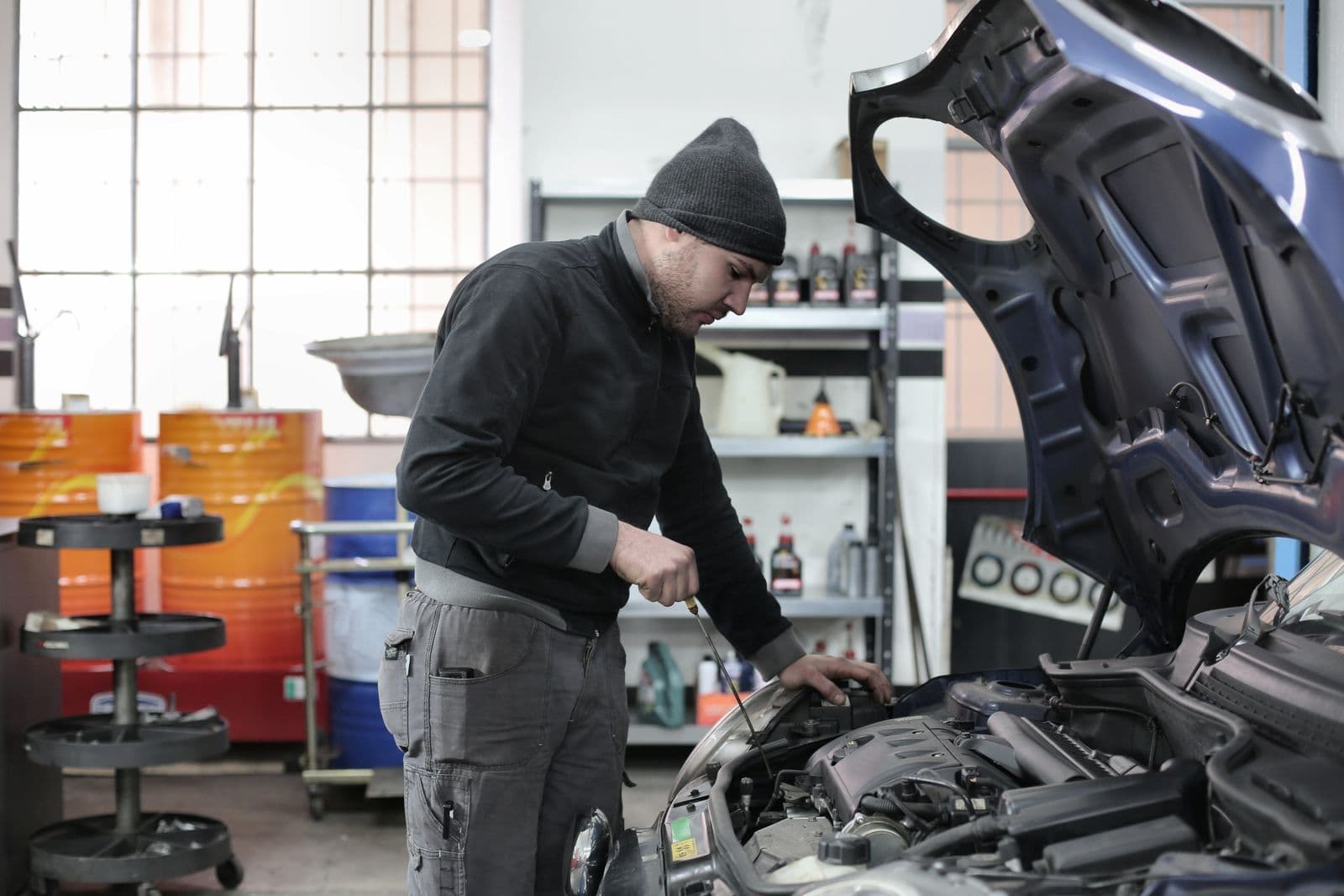
- Check the oil on the dipstick — it shouldn't be milky (a sign of coolant mixing in) or gritty.
- Look for oil or coolant leaks, and corrosion or perished hoses.
- Check the coolant and brake fluid levels and condition.
- Look for a service sticker and cross-check it against the logbook.
Interior and electronics
- Test everything electrical: windows, locks, lights, indicators, wipers, horn, air-conditioning, infotainment and every warning light (they should light up on start, then go out).
- Check seatbelts retract and latch, and that the seats and trim match the claimed kilometres — heavily worn pedals, seat and steering wheel on a "low-km" car are a warning sign.
- Make sure you get both keys and any wheel-lock key.
Tyres, brakes and suspension
- Check tyre tread depth and look for uneven wear, which can point to alignment or suspension problems. All four tyres should be a similar, road-legal brand and size.
- Push down hard on each corner — the car should settle quickly, not keep bouncing.
- Look behind the wheels for very thin brake discs or heavy scoring.
On the test drive
- Start from cold and watch for smoke and rough idling.
- The car should pull straight under braking and not shudder or pull to one side.
- Steering should be straight and not wander or clunk over bumps.
- The gearbox should shift smoothly with no crunching (manual) or harsh, delayed changes (auto).
- Get it up to highway speed if you can, and make sure the temperature gauge stays steady.
Paperwork and history
- Match the VIN on the car (windscreen and firewall/door) to the registration papers and the PPSR check.
- Go through the service logbook and receipts — regular, stamped services are a very good sign.
- Confirm the seller's name matches the registration, and that there's a current safety or roadworthy certificate if your state requires one.
Red flags — walk away
Watch out
A price well under market, a seller who won't let you inspect properly or take it to a mechanic, a VIN that doesn't match the papers, a name that doesn't match the registration, or pressure to pay a deposit before you've seen the car. Any one of these is a reason to stop.