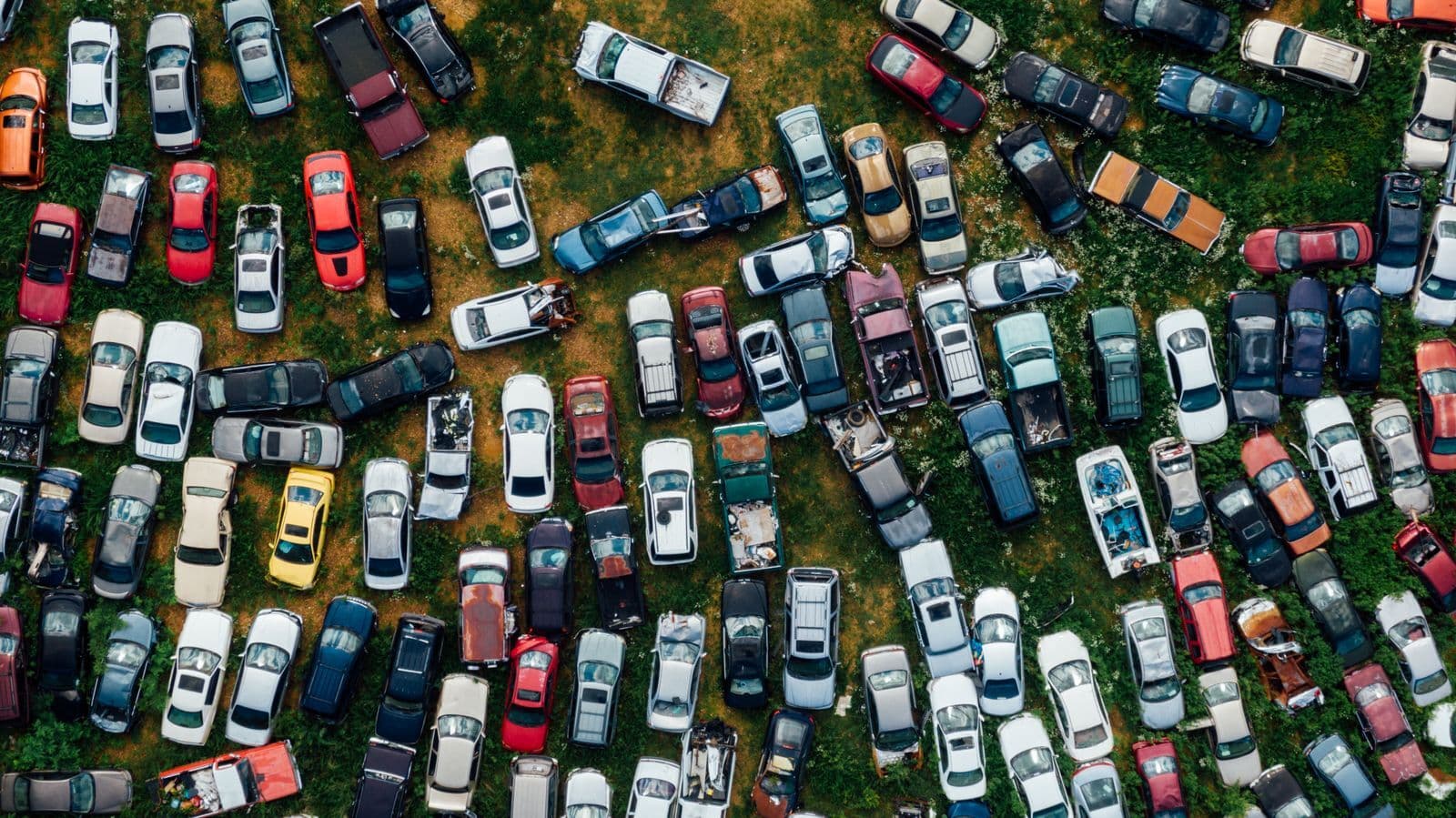
The sustainability debate around EVs fixates on exhaust pipes and power stations. But some of the most awkward questions have nothing to do with either — they're about weight, rubber, repairability and what happens to a half-tonne battery when the car around it dies.
The weight problem
EVs are heavy. A battery pack adds hundreds of kilograms, and comparable EVs typically outweigh their petrol equivalents by 300–600kg. Weight has consequences the brochure skips:
- Tyre wear: heavier cars with instant torque chew through tyres faster, and tyre wear sheds particulate pollution. As exhausts have cleaned up, non-exhaust particulates — tyres, brakes, road dust — have become a major share of vehicle pollution, and EVs don't escape that.
- Road wear scales sharply with vehicle mass.
- One genuine offset: regenerative braking dramatically cuts brake-dust emissions, one place where EVs are cleanly ahead.
The uncomfortable truth is that this is really a big car problem wearing an EV costume: a three-tonne electric SUV and a three-tonne diesel SUV both shed rubber. The industry's drift toward ever-larger EVs imports the old problem into the new technology.
The recycling gap
The pitch says batteries get recycled. The present tense is doing heavy lifting. Australia's EV battery recycling industry is embryonic — most packs on the road haven't reached end of life yet, local processing capacity is limited, and much material still travels offshore. "Second-life" storage reuse is promising and genuinely happening, but not yet proven at the scale the coming wave of retirements will demand. The optimistic case is real: pack materials are valuable enough that recycling economics improve every year, and batteries are lasting longer than early critics predicted, with real-world degradation generally beating fears and eight-year warranties now standard. But "will be solved" and "solved" are different claims, and the media routinely sells the first as the second.
The write-off problem
Insurers in several markets have been criticised for writing off EVs after relatively minor accidents because assessing or repairing a potentially damaged pack is costly and specialist repair networks are thin. A car scrapped at half-life never repays its manufacturing footprint — an emissions problem and a premiums problem. Repairability standards and pack-level diagnostics are improving, but this remains a live gap between the sustainability story and current practice.
What a genuinely sustainable choice looks like
- Smaller and lighter beats bigger and longer-range — for tyres, roads, energy and embodied carbon alike.
- Kept for a decade beats replaced in three years — amortisation is the whole game.
- A used EV inherits its footprint part-paid and adds no new manufacturing demand.
- Ask the recycling question when you buy — manufacturer take-back schemes exist and deserve to be a purchase factor.
The honest bottom line
Full-lifecycle research still puts EVs clearly ahead of petrol overall, and nothing above changes that. What it changes is the framing: the real environmental divide isn't just electric versus petrol — it's heavy, disposable cars versus efficient, long-lived ones. An EV bought thoughtfully wins on both counts. An EV bought as a three-tonne fashion statement mostly swaps one problem for another.