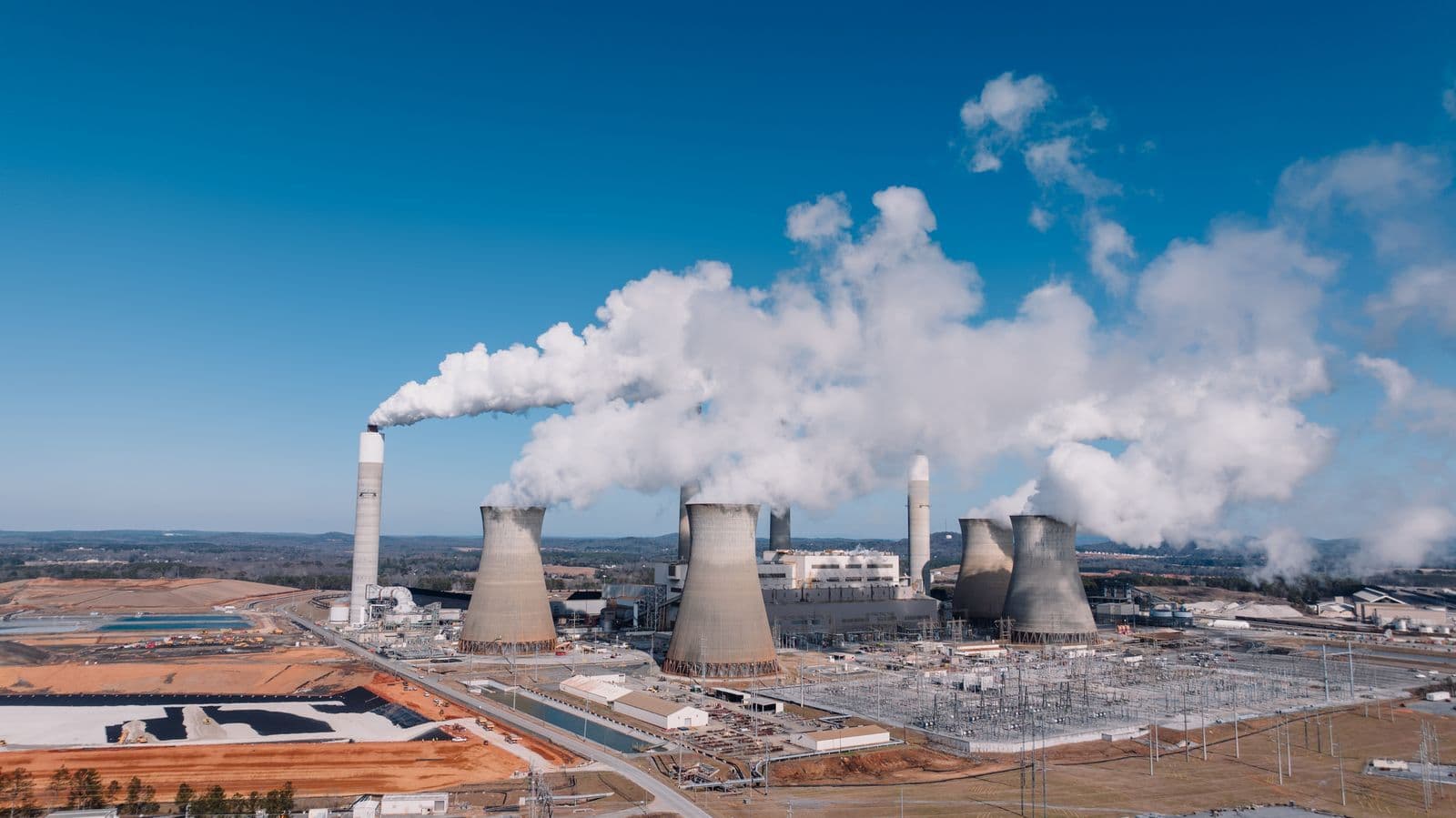
An EV has no tailpipe, but it absolutely has a smokestack — it's just somewhere else. In Australia, "somewhere else" is still, a lot of the time, a coal-fired power station. How clean your EV really is depends on where you live and when you plug in, and the difference is bigger than any spec sheet.
Where the power actually comes from
Australia's main grid has transformed fast — renewables now supply a large and growing share, on the order of 40 per cent and climbing — but coal remains the single largest source of generation. Every kilowatt-hour you draw is a blend of whatever's running at that moment. Charge at 2am and you're drinking from a grid where coal is doing most of the work; charge at 1pm on a sunny day and you may be running substantially on solar the grid is struggling to absorb.
Same car, very different footprint
- Tasmania: hydro-dominated and effectively renewable. An EV here is about as genuinely low-carbon as driving gets in Australia.
- Victoria, NSW, Queensland: still leaning on coal for baseload. An EV remains cleaner than petrol per kilometre — power stations extract far more useful energy from fuel than a car engine does, even before renewables enter the mix — but the "zero emissions" framing flatters it.
- South Australia: wind- and solar-heavy, with world-leading renewable penetration on good days — and gas filling the gaps on bad ones.
Two identical EVs, one in Hobart and one in Melbourne's outer suburbs charging off-peak, are meaningfully different cars, environmentally. The media coverage almost never says so.
Timing beats everything
The single biggest lever an owner controls is when they charge:
- Midday charging soaks up solar — increasingly the cleanest and, on some tariffs, cheapest window.
- "Off-peak" is not "green": overnight rates are cheap because demand is low, and overnight generation is disproportionately coal.
- Rooftop solar changes the entire equation: home generation plus daytime or scheduled charging gets you close to what the badge always promised.
- Smart chargers and vehicle scheduling make this a set-and-forget decision rather than a lifestyle.
Still cleaner than petrol — and getting more so
Here's the honest maths: even on today's grid, an efficient EV generally beats an equivalent petrol car on emissions per kilometre, because large power stations plus an electric motor waste far less energy than burning fuel in a small engine. More importantly, an EV's footprint falls every year automatically as the grid decarbonises — a petrol car's never does. Full-lifecycle studies from bodies like the ICCT and IEA consistently reach the same conclusion.
The takeaway
"Zero emissions" is marketing. "Lower emissions, falling every year, and largely under your control" is the truth — less catchy, more useful. Charge in daylight, chase solar, and the gap between the badge and reality mostly closes.