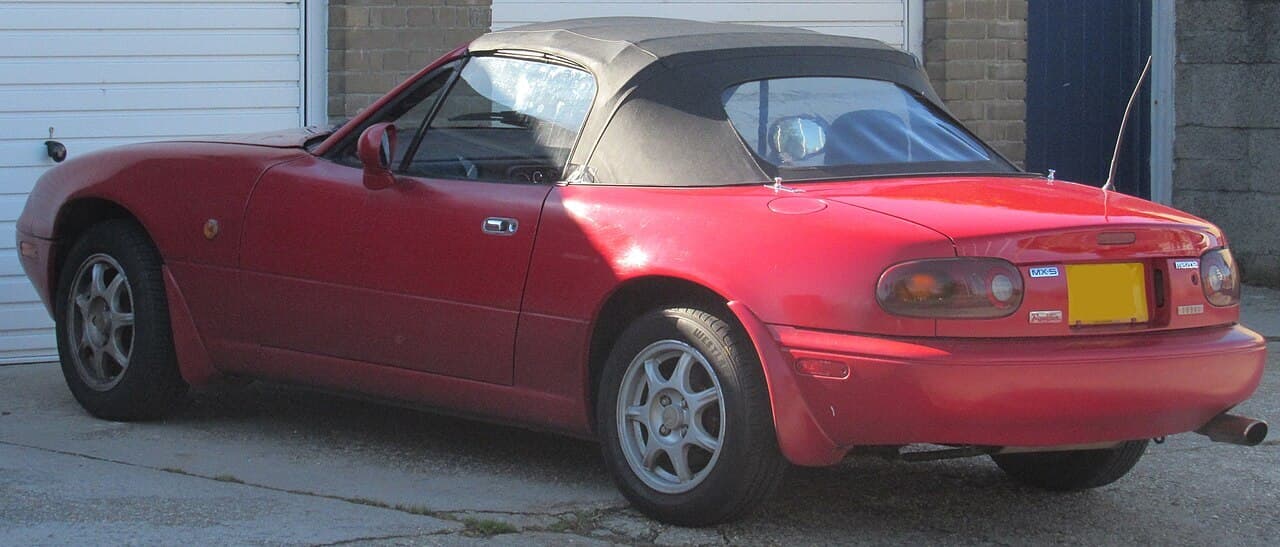
Japan makes keeping an older car on the road expensive on purpose. Every private car has to pass a government roadworthiness check called shaken, three years after it is new and every two years after that (opens in a new tab), and petrol cars more than 13 years old pay a surcharge of roughly 15 per cent (opens in a new tab) on their annual automobile tax. In our view that combination pushes plenty of sound, well-kept cars out of Japan while they still have years of life left, and Australian buyers of Japanese imports are among the people who benefit.
That is the opportunity. The catch is that a car that left Japan young is not automatically a good car, and the paperwork on this side of the water matters as much as the car itself.
Shaken at a glance
- New private car
- First inspection after 3 years
- After that
- Every 2 years
- Taxis, buses, trucks
- Every year
- Renewal window since April 2025
- Up to 2 months before expiry
- Older-car tax (Tokyo)
- About 15% more for petrol cars over 13 years, diesels over 11
What shaken is
Shaken (pronounced "shah-ken") is Japan's periodic vehicle inspection, run by the national transport ministry. The ministry's English page lists the validity of an inspection certificate as three years for a new private passenger car, two years for other private passenger cars, and one year for taxis, buses and trucks (opens in a new tab). Light "kei" cars are inspected by an authorised organisation rather than the ministry itself, and the same page says owners must also keep their cars maintained through periodic checks between inspections.
The rules are still being adjusted. From 1 April 2025, Japan widened the window for renewing a shaken (opens in a new tab) from one month before expiry to two months, without losing any of the remaining validity, and changed the compulsory insurance period to match. The aim was to ease the crush of inspections at the end of the Japanese financial year.
What makes the system bite is not just the inspection. A renewal is the point where the owner pays for the check and the compulsory insurance, plus whatever repairs the workshop says the car needs to pass. Every two years an owner faces a bill and a decision about whether the car is still worth it.
Why it moves good cars on
Here is our reading of it, and it is opinion rather than a statistic. Add a renewal bill every two years to an annual tax that steps up once a car passes 13 years, and the sums start to favour replacing a perfectly sound car with a newer one. Tokyo's tax office confirms the step: petrol and LPG cars more than 13 years past first registration, and diesels past 11, pay a heavier rate of roughly 15 per cent (opens in a new tab), and buses and trucks roughly 10 per cent.
Nobody is forced to scrap a car. Plenty of Japanese owners keep old cars running, as our pieces on Japan's small cars (opens in a new tab) and its night car culture (opens in a new tab) describe. But the system leans against age, and when a well-kept car is cheap to buy in Japan and dear to keep there, exporting it starts to make sense.
A car that left Japan young is not automatically a good car, but it is often a well-maintained one.
Why that suits Australia
Australia is a natural home for these cars. We drive on the left, so a Japanese car is already right-hand drive. And since July 2021, Australia's older-vehicle import pathway works on a rolling 25-year clock, as we explained in our piece on the 25-year import rule and the R34 GT-R (opens in a new tab). Younger enthusiast cars can come in through the Specialist and Enthusiast Vehicle scheme, which needs a registered workshop and an approved model report.
In our view, the shaken culture is a large part of why so many 1990s Japanese sports cars and wagons arrive here in good order. A car that has been presented for inspection every two years for most of its life has at least been looked at by a workshop on a schedule.
The fair counter: passing shaken says a car met the standard on the day. It does not guarantee what happened after, or how the car was stored, shipped and prepared once it left Japan. That is where the buyer's own checks come in.
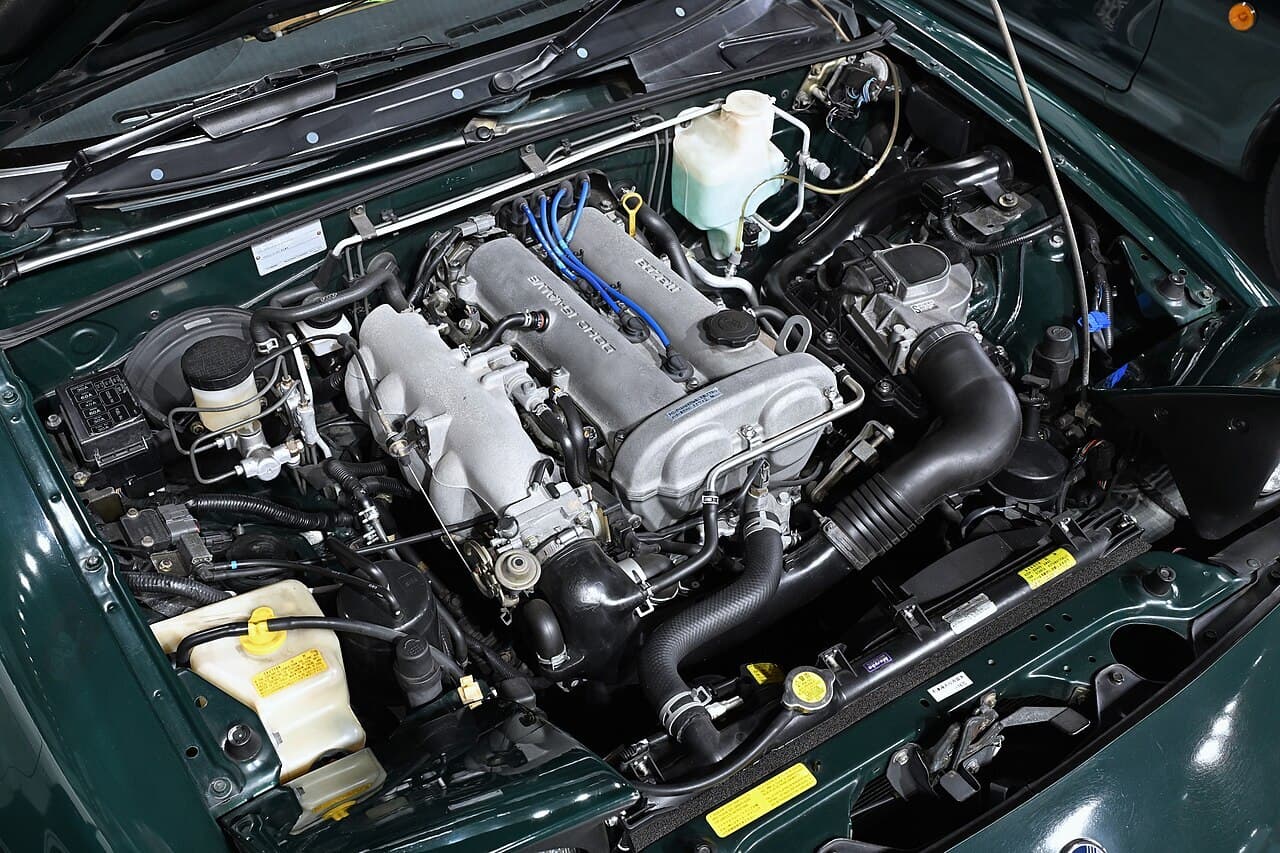
What an Australian grey-import buyer should check
"Grey import" means a car imported privately or by a specialist rather than sold new here by the maker. These are the checks we would make, and none of them needs a trip to Japan.
- The approval and the RAV. Ask how the car came in, and for the import approval and its Register of Approved Vehicles (RAV) entry. Our 25-year import piece (opens in a new tab) sets out what each pathway should come with.
- Japanese paperwork. Ask for the Japanese deregistration or export papers and any inspection records that came with the car. They help show its build date, history and odometer reading.
- Odometer. Compare the reading on the Japanese papers with the dashboard. A clear trail of readings is worth paying for; a gap is a reason to ask questions.
- Rust and storage. Look underneath, especially the sills, floors and suspension mounts. A car's condition when it left Japan is only part of the story; how it was stored and shipped matters too.
- Modifications. Japan's modified-car scene is huge. Under Australia's older-vehicle rules, significant modifications can restart the 25-year clock, so ask what has been changed and when.
- PPSR and registration. Run a PPSR check once the car is registered here, and confirm with your state registration authority that it can be registered before you pay.
- An independent inspection. Pay a mechanic who knows the model. Parts and specialist knowledge for popular Japanese cars are easy to find here.
A shaken certificate is not an Australian roadworthy and does not travel with the car. Treat any Japanese inspection record as history, then have the car inspected here before you buy.
Another perspective: Japan, where inspection is the price of ownership
Japan is the one country worth understanding here because it is where these cars come from. Its approach is strict, regular and, by design, tougher on age: two-yearly inspections for private cars (opens in a new tab) once they are past three years old, and a tax surcharge that starts at 13 years (opens in a new tab) for petrol cars.
We would not want Australia to copy it. A rule that taxes a well-kept 15-year-old car harder than a new one runs against everything we believe about keeping a good car going. But we are happy to benefit from the result.
What it means if you're buying or selling
Buying. Japanese imports can be some of the best-kept older cars on the market. Focus on paperwork first, then condition, then price. A well-documented car that came in legally is worth more than a cheaper one with gaps.
Selling. Keep every document that came with the car: import approval, RAV entry, Japanese export papers and any inspection records. Photograph them for your listing. You can buy, sell & show cars on MotorLoop, and it's free.
Our take
We think Japan's shaken system does two things at once. It keeps Japanese cars well maintained while they are there, and it moves many of them on long before they are worn out. Australia, with right-hand drive and a rolling 25-year import rule, is well placed to give those cars a second life.
The opportunity is real, but so is the homework. Buy the paperwork as well as the car, get it inspected here, and you could end up with an older Japanese car that is simpler, better kept and more fixable than a lot of what is in local classifieds.
Header photo: Makizox (opens in a new tab) via Wikimedia Commons, CC BY-SA 4.0 (opens in a new tab).
Related
- The 25-year import rule: Australia rolls its clock too, and the R34 GT-R is coming of age (opens in a new tab)
- Buying a car never registered in Australia: pros, cons and what to check (opens in a new tab)
- Why Australian cars are different: right-hand drive and our own design rules (opens in a new tab)
- Japan's Small Cars Make Sense When You Look at the Streets (opens in a new tab)