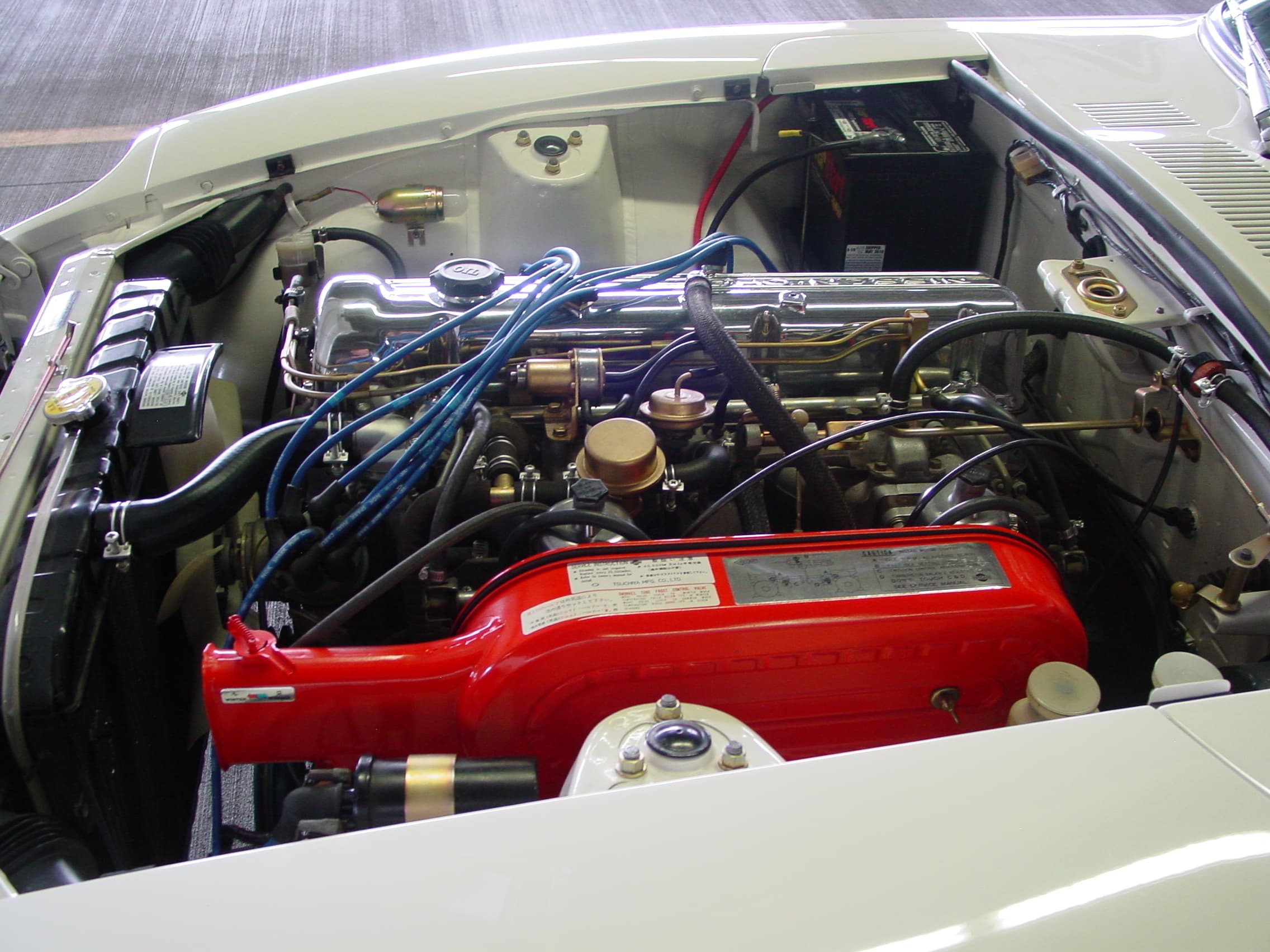
On a simple car from the 1990s or early 2000s, a reasonably handy owner with a jack, stands and a socket set can still change the oil, fit brake pads and swap a battery in a Saturday morning. On many newer cars the same jobs now need a scan tool, a software step or a workshop. Australia's repair information law helps businesses close that gap. It does not help the person in the driveway, and in our view that matters more than it sounds.
DIY and the repair law, in brief
- Australian repair information scheme
- In force since 1 July 2022
- Cars covered
- Passenger and light goods vehicles built on or after 1 January 2002
- Hobby owners
- Cannot access scheme information, says the ACCC
- US REPAIR Act
- Cleared a House subcommittee on 10 February 2026
What Australia's repair law does, and who it leaves out
Australia's Motor Vehicle Service and Repair Information Sharing Scheme came into effect on 1 July 2022 (opens in a new tab). It makes car makers share service and repair information with independent repairers, so a local workshop can fix your car without the dealer. The ACCC says the scheme applies to passenger vehicles and light goods vehicles manufactured on or after 1 January 2002 (opens in a new tab).
That is good news for independent mechanics, and we have covered how it is working in Australia's repair information scheme, three years on (opens in a new tab). But read the ACCC's own wording on who is in and who is out. On the same page the regulator says: "Consumers who repair their own vehicles as a hobby cannot access service and repair information under this scheme." It adds that "car manufacturers are not prevented from sharing information with consumers", which means it is up to each maker.
So the law treats repair as a trade. If you are in the business of fixing cars you have a right to the information. If you fix your own, you are relying on goodwill, forums and the aftermarket.
The jobs that still belong to the owner
Here is where we land, and it is our view rather than a survey. The older and simpler the car, the more of its basic maintenance stays in the owner's hands. A naturally aspirated petrol engine from the 1990s with a dipstick, a spin-on oil filter, a manual handbrake and a battery that only needs two bolts and a clamp is a car you can look after yourself.
- Oil and filter. On a simple car this is a drain plug, a filter and the right grade of oil from the manual. It is the job most owners learn first, and it is still worth learning.
- Brake pads. With a cable handbrake, the rear pads or shoes are a mechanical job. Wind the piston back, fit the pads, bleed if needed, and test carefully before you drive.
- Battery. On many older cars you disconnect the negative, swap the battery and set the clock. That's it.
- Service light. On older cars it is often a button sequence in the owner's manual, or there is no light to reset at all.
Brakes, steering and suspension are safety-critical. If you are not confident, pay a qualified mechanic, and have any home brake job checked before a long trip. DIY is about understanding your car, not about skipping the checks.
Where newer cars draw the line
The same jobs look different on many current cars, and not because the parts are harder to hold.
Brakes with an electronic parking brake. Haynes, which has published DIY manuals for decades, says "all electronic parking brake systems require you to enter a 'maintenance mode' before they can be serviced" (opens in a new tab), and that "some automakers require a special scan tool capable of performing this", while others put it in a dash submenu. It also warns that if you don't exit that mode properly, "you may lose parking brake functionality". Haynes is upbeat that a home mechanic can still do the job "with the right tools". The point is that the right tools now include software.
Batteries that must be registered. Battery maker VARTA explains that on cars with a battery energy management system, a new battery "needs to be reprogrammed into the vehicle's energy management system" (opens in a new tab), and that if it isn't done correctly "it can cause restriction or even failure of the start-stop function". VARTA lists brands that need a diagnostic tool for this, including Audi, BMW, Mazda, Mini, Škoda and Volkswagen, while it says Toyota, Volvo, Honda and Renault use systems that learn the new battery themselves. Swapping a battery used to be the easiest job on the car.
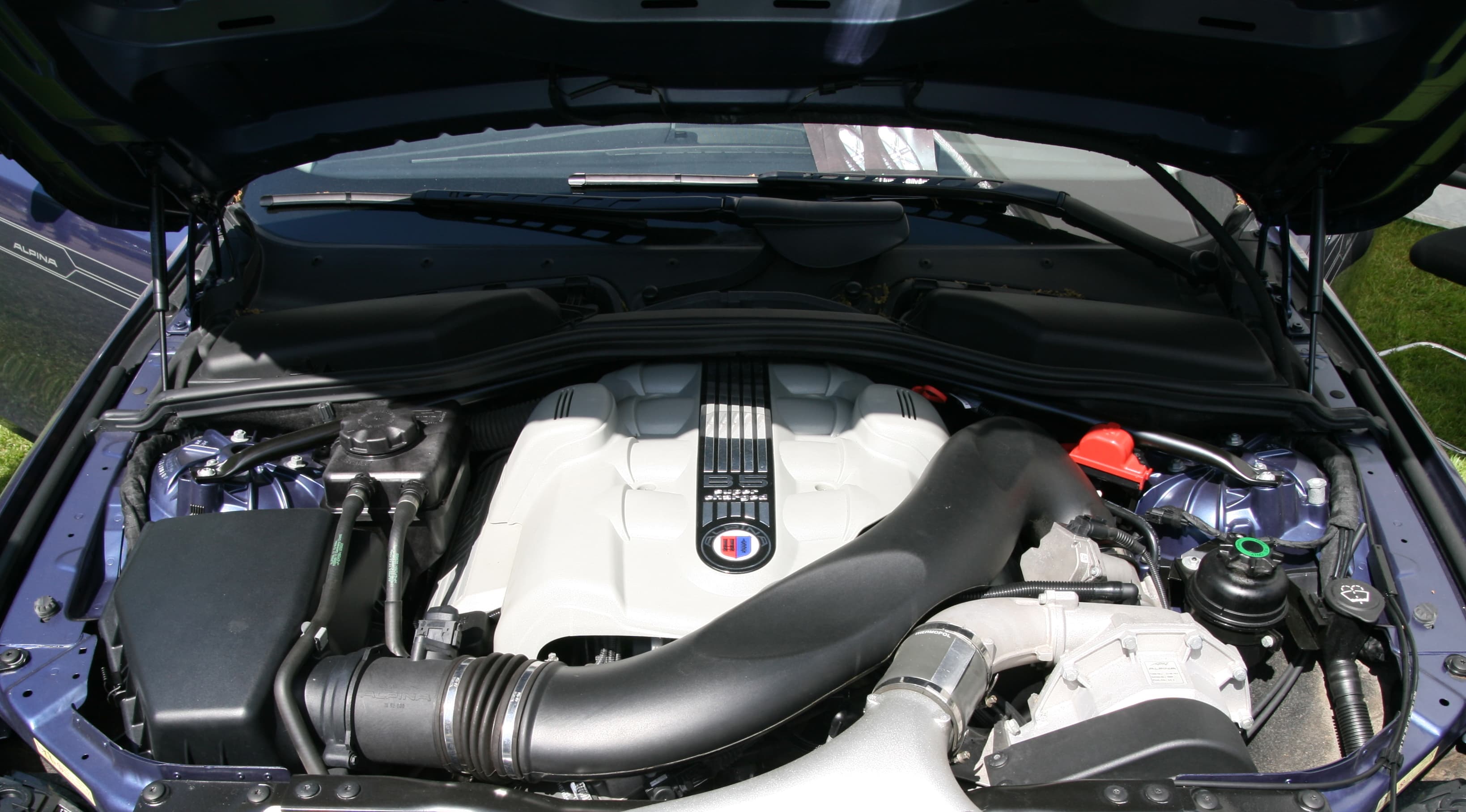
Transmissions and fluids. Check your owner's manual for whether the gearbox has a dipstick and a published fluid change interval. If it has neither, treat fluid work as a job for a workshop with the right equipment and procedure. We would rather an owner know that before buying than find out at 150,000 km.
Service resets. On some newer cars the service reminder resets from a dash menu. On others it needs a scan tool. Your manual will tell you which, and it is worth knowing before you buy.
None of this says a newer car is worse built. Many of these systems exist for good reasons: an electronic park brake frees up the console, battery management helps stop-start and charging work properly. Our point is narrower. Each one adds a step that sits in software, and each software step is one more place where the owner needs permission, a subscription or a tool.
The United States: owners are in the bill
The US is arguing about the same thing, and its draft law goes further than ours on one point. The REPAIR Act (H.R. 1566) advanced from a House subcommittee to the full Energy and Commerce Committee on 10 February 2026 (opens in a new tab), according to the Auto Care Association, an industry group that backs it. The association describes the bill as "ensuring equal access to vehicle data and diagnostic information for owners and their designated repair providers", and "allowing owners to designate who can access and use their vehicle information".
Notice the word owners. The US bill, at least as its supporters describe it, puts the person who owns the car alongside the repairer. Australia's scheme, as the ACCC describes it, puts the hobby owner outside. The bill is not law, it has opponents in the dealer and manufacturer lobby, and it may change or stall. But it frames repair as something you are entitled to because you own the car, not because you run a workshop.
A car you can fix yourself is a car you own. A car that needs permission to change its brake pads is a car you are licensed to use.
Why this is about ownership, not nostalgia
We think a lot of the right-to-repair debate gets framed as mechanics versus dealers. For an owner it is simpler than that. If you can do the basics yourself, you control the cost and the timing of keeping your car alive. You can buy the parts you choose, do the job when it suits you and learn what is going on under the bonnet. That knowledge is worth something when you are 300 km from the nearest town.
The more a car's routine jobs depend on a scan tool, a subscription or a manufacturer's server, the more of that control passes to someone else. That is the same thread that runs through our pieces on when the computer fails (opens in a new tab) and the shortage of mechanics (opens in a new tab): if fewer people can fix a car, the people who can will charge more.
What it means if you're buying or selling
Buying. If you want a car you can maintain yourself, look at the owner's manual before you buy, not after. Check for a cable or lever handbrake versus an electronic one, whether the battery needs registering, whether the gearbox has a dipstick and service interval, and how the service light resets. A simple, well-documented older car with a big following usually has forums, parts and how-to guides that a rare or very new model doesn't.
Owning a newer car. You don't have to give up DIY. A decent diagnostic tool for your make can open up battery registration and electronic brake service modes. Read the procedure first, and when in doubt, use an independent workshop. Under the scheme, they have a right to the information you can't get.
Selling. A buyer of a simple car often wants proof it has been looked after. Keep receipts for parts and oil, write the date and odometer in the service book for every job you do, and photograph the work. A tidy DIY record beats a blank book. You can buy, sell & show cars on MotorLoop, and it's free.
Our take
We think the ability to fix your own car is one of the quiet freedoms of owning one, and it is slipping away a module at a time. The simple, naturally aspirated cars of the 1990s and 2000s still let you change your oil, pads and battery with hand tools and a manual. Many newer cars put a software step in front of the same jobs.
Australia's repair law was a real win for independent workshops. It was not written for the owner in the driveway, and the ACCC says so plainly. The US debate shows another way to frame it, with owners in the room. Until that happens here, our advice is simple: if doing your own maintenance matters to you, buy the car that lets you, learn the basics, and keep the tools. A car you can fix yourself is a car you own.
Header photo: Rockymntskier (opens in a new tab) via Wikimedia Commons, CC BY-SA 3.0 (opens in a new tab).