"Zero emissions" is printed on the badge, but no car is born clean. Before an electric vehicle turns a wheel, it has already generated more carbon than an equivalent petrol car rolling off the same production line. Here's the part of the story the glossy ads leave out — and what it actually means for buyers.
Every EV starts in carbon debt
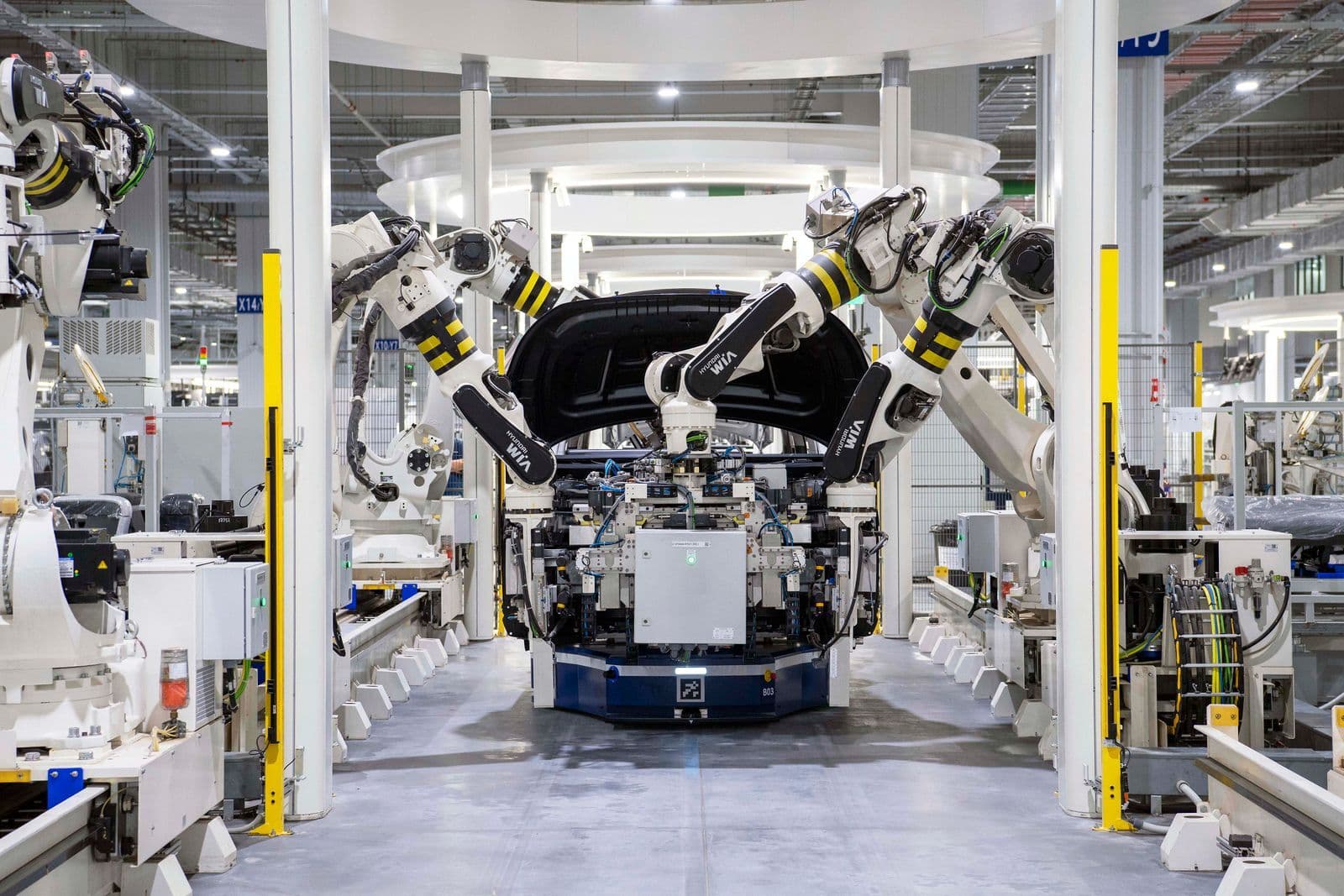
Building any car is emissions-intensive: steel, aluminium, glass, plastics, paint and shipping all carry a footprint. An EV then adds the single most carbon-hungry component in the modern car industry — the battery. Mining, refining and processing lithium, nickel, cobalt and graphite, then assembling cells in energy-hungry gigafactories, means a new EV typically leaves the factory with well over one and a half times the manufacturing emissions of a comparable combustion car. The bigger the battery, the bigger the debt.
The break-even question
That upfront debt gets repaid on the road, because charging generally produces far less CO2 per kilometre than burning petrol. But how quickly depends on two things the brochure doesn't mention: the size of the battery and the electricity you charge with. Lifecycle studies commonly put the break-even point somewhere between roughly 15,000 and 50,000 kilometres. A small-battery EV charged from rooftop solar clears its debt in a year or two of normal driving. A near-three-tonne electric SUV with a 100kWh-plus pack, charged overnight on a coal-heavy grid, can take several times longer.
Bigger batteries work against the pitch
Range anxiety sells big batteries, and the market has responded with ever-larger packs. Doubling a battery roughly doubles its manufacturing footprint — but it doesn't double the real-world utility for a commuter driving 35 kilometres a day. The industry's push upmarket toward heavy, long-range flagships is a move away from the efficiency story that justified EVs in the first place.
What this means for buyers
- If sustainability is the goal, battery size matters more than the badge. A modest pack you actually use beats a huge one you don't.
- Ownership length matters: embodied carbon is amortised over the car's life, so keeping an EV for a decade is greener than upgrading every three years.
- A used EV arrives with its carbon debt already partly repaid — one of the quietly strong arguments for buying second-hand.
- Home solar (or a genuinely renewable retail plan) changes the maths more than any spec-sheet difference between models.
The honest bottom line
None of this makes a petrol car the greener choice. Full-lifecycle research — including work by the International Council on Clean Transportation and the International Energy Agency — consistently finds EVs come out well ahead over a full life on real-world grids, and the gap widens each year as electricity gets cleaner. The point is subtler: an EV isn't "zero emissions", it's emissions moved, reduced and front-loaded. Buyers who understand that make better decisions — smaller batteries, longer ownership, cleaner charging — than the marketing ever asks of them.