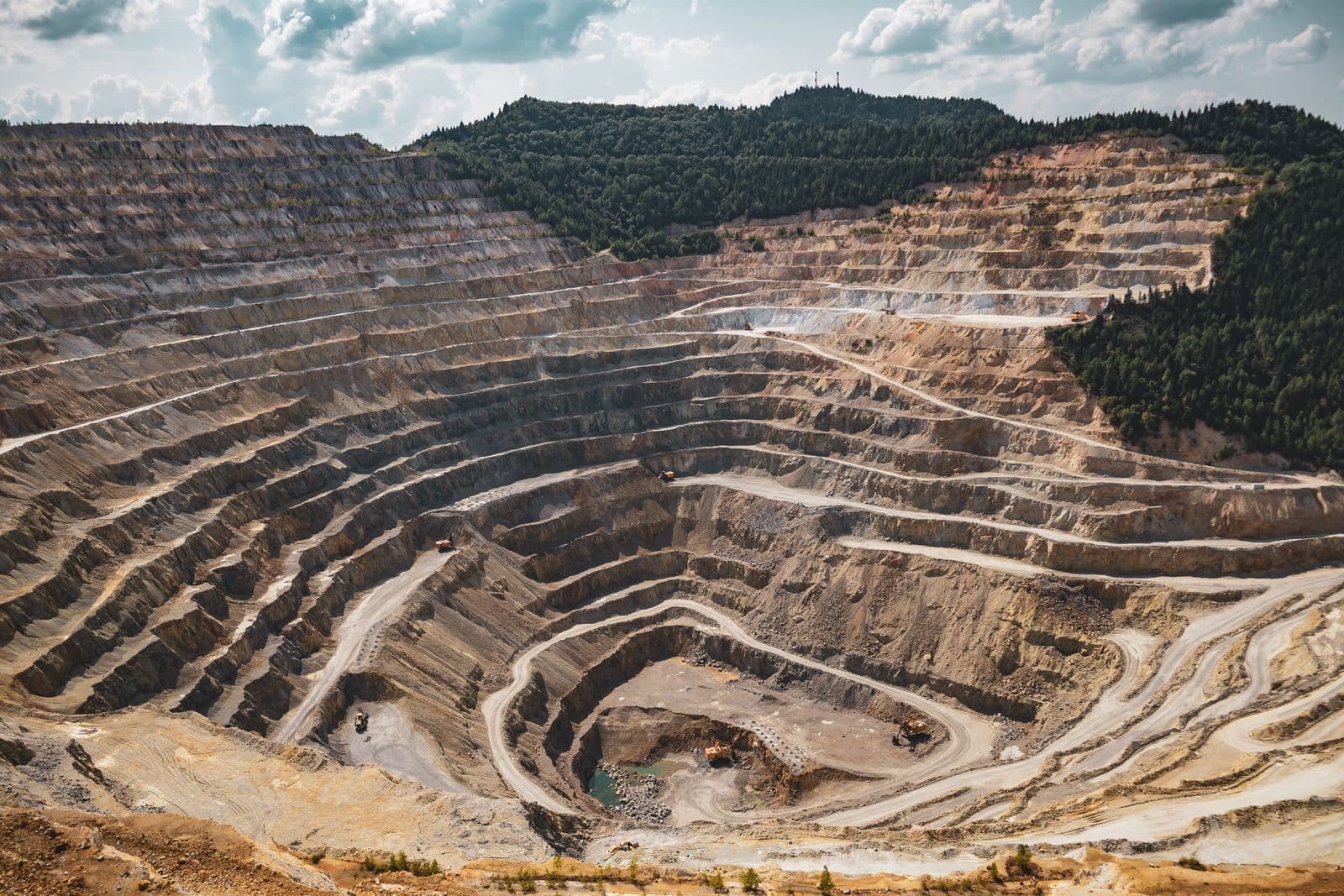
An EV battery is, before anything else, a mining product. Lithium, nickel, cobalt, graphite, manganese, copper — every pack begins as hundreds of kilograms of processed minerals, extracted somewhere, by someone, with consequences the "zero emissions" badge never mentions. Here's what's actually in the box.
Lithium: brine and hard rock
Lithium comes from two main sources. Brine operations in South America's "lithium triangle" pump mineral-rich groundwater into vast evaporation ponds — in the Atacama, one of the driest places on Earth, where water use and its impact on local communities remain genuinely contested. The other source is closer to home: hard-rock spodumene from Western Australia, which has made Australia the world's largest lithium producer. Hard-rock mining is more energy-intensive to process, but it happens under Australian environmental and labour standards — a distinction that matters.
Cobalt: the hardest story
Around two-thirds to 70 per cent of the world's cobalt comes from the Democratic Republic of the Congo, where alongside industrial mines sits an artisanal sector whose conditions — including documented child labour — have been exposed repeatedly by groups like Amnesty International. This is the supply chain's ugliest fact, and no amount of green marketing has erased it. The industry's most meaningful response has been chemical: lithium-iron-phosphate (LFP) batteries contain no cobalt and no nickel at all, and now power a large and growing share of new EVs.
Nickel: rainforests and tailings
The nickel boom has centred on Indonesia, where rapid expansion of mining and high-pressure processing plants has drawn sustained criticism over rainforest clearing, tailings disposal and the coal power running much of it. Cheaper batteries have had a price; it just wasn't on the sticker.
The processing chokepoint
Wherever the ore is dug, most of it flows through one place: China dominates the midstream — refining, cathode and anode production — for the majority of battery minerals. That's a concentration risk with geopolitical weight, and a reason Australia's push into onshore processing is about more than jobs.
The comparison nobody makes
Here's the balance the debate usually skips: oil has an extraction story too — spills, flaring, refinery emissions, and a geopolitics at least as grim — it's just been normalised for a century. And there's a structural difference: battery minerals are mined once and are increasingly recyclable at end of life, while fuel is extracted, burned and gone, forever, every tank. Tightening rules — the EU's battery regulations, supply-chain due diligence laws — are forcing traceability on batteries that petrol never faced.
What buyers can actually do
- Chemistry matters: an LFP-battery EV sidesteps the cobalt and nickel problems entirely. Ask what's in the pack.
- Provenance is improving: manufacturers increasingly publish supply-chain audits — reward the ones that do.
- Used is upstream-free: a second-hand EV adds zero new mining demand.
The mining footprint is real, localised and worth scrutiny. It's also being engineered down, year on year, in a way the oil supply chain never was.