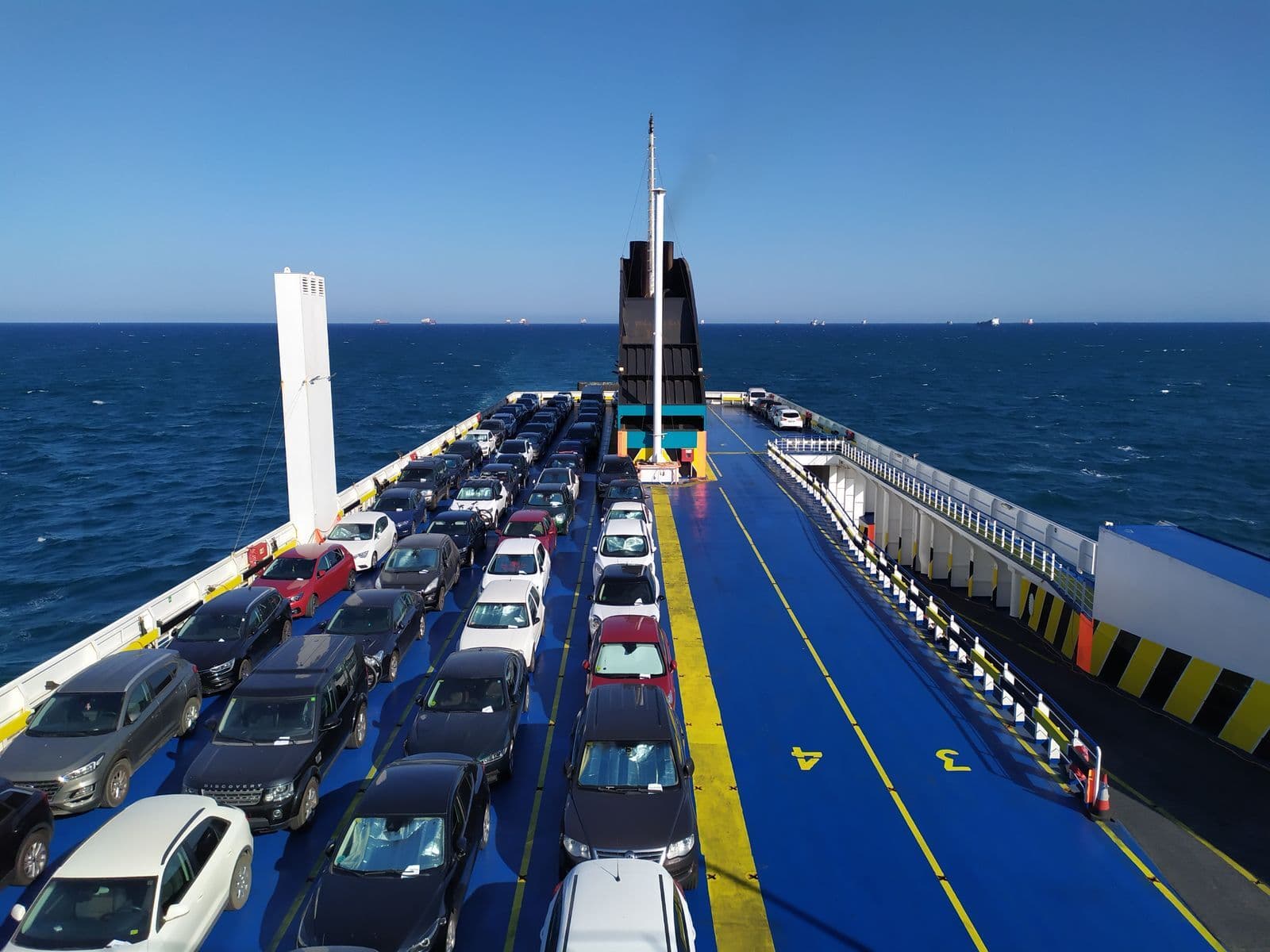
Importing a car into Australia is a two-layer process: the Commonwealth controls whether the vehicle can enter the country at all, and your state or territory controls whether it can be registered for the road. Get the order wrong — especially by shipping before approval — and it gets expensive fast.
Step 1: Pick your import pathway
Under the Road Vehicle Standards Act 2018, most private imports come in via one of four routes:
- Type-approved vehicles (RAV entry) — the standard route for new vehicles supplied through manufacturers.
- Concessional RAV entry / SEVS — specialist and enthusiast vehicles on the SEVS register, imported and complied through a Registered Automotive Workshop (RAW).
- Older vehicles — anything manufactured 25 or more years ago.
- Personal imports — for people relocating to Australia who have owned and used the vehicle overseas for at least 12 months.
Step 2: Get a Vehicle Import Approval before shipping
All applications go through the government's ROVER portal (opens in a new tab). Application fees are modest (roughly $35–$100 depending on pathway), but allow around 20 working days for a decision — and up to 60 for complex cases. Never ship first: without a VIA, Border Force won't release the vehicle, and storage or re-export costs dwarf any saving.
Step 3: Biosecurity and asbestos
The vehicle must arrive clean — interior, exterior and underbody — to Department of Agriculture standards, or you'll pay for cleaning and re-inspection at the wharf. Shipments from BMSB (stink bug) risk countries between September and April need approved treatment. Separately, Australia's asbestos ban applies: older vehicles may need gaskets, brake and clutch components tested or replaced before Border Force will clear them.
Step 4: Duty, GST and LCT
Expect customs duty (commonly up to 5 per cent, with free-trade agreements reducing it to zero for many origins), 10 per cent GST on the landed value, and Luxury Car Tax above the indexed threshold — check the ATO for current figures. A licensed customs broker is worth their fee here.
Step 5: Compliance
SEVS vehicles are complied by the RAW; other pathways may need work to meet Australian Design Rules before they're road-eligible.
Step 6: Registering it — state by state
Every jurisdiction requires an identity/safety inspection before first registration of an import, and most offer an unregistered vehicle permit to get it to the inspection legally:
- NSW — AUVIS ("blue slip") inspection, plus a separate CTP green slip before Transport for NSW registers it.
- VIC — VicRoads registration inspection plus a roadworthy certificate.
- QLD — TMR inspection and safety certificate.
- WA — Department of Transport licensing via an Authorised Inspection Station.
- SA — identity inspection arranged through Service SA.
- TAS — Approved Inspection Station check via Service Tasmania.
- ACT — inspection through Access Canberra.
- NT — MVR inspection (vehicles five years or older need a roadworthy for first NT registration).
Exporting a car from Australia
Going the other way is simpler — there's no general Commonwealth export approval for road vehicles — but the checklist still matters:
- Lodge an export declaration (goods worth more than $2,000 generally need one) via Border Force or your freight agent.
- Clear any finance on the PPSR (opens in a new tab) — encumbered vehicles cause problems at both ends.
- Cancel the registration and return the plates per your state's rules; most jurisdictions refund unused registration.
- Research the destination country's rules first — vehicle age limits, left/right-hand drive restrictions, emissions standards and their own biosecurity cleaning requirements (New Zealand's are strict) decide everything.
Requirements change. Verify current rules at infrastructure.gov.au (opens in a new tab), the ABF, DAFF and the ATO before committing money.