Depreciation is the largest cost of owning a car and the one nobody budgets for. It's also the thing you're negotiating with when you sell, so it's worth understanding what actually drives it.
The uncomfortable general shape: a new car loses the most value in its first year, and the curve flattens as it ages. Which is why the cheapest car to own is often one somebody else bought new.
Two of the biggest factors are already decided — age and model. The ones you can still influence are service history, presentation and honest pricing. Focus there.
What you can't change
Age. The first year is the steepest drop for a new car, and the curve flattens from there. By the time a car is five to seven years old, another year costs proportionally much less.
The model's reputation. Some models hold value stubbornly well, and some fall off a cliff. This is driven by demand, running-cost reputation, parts availability and how many were sold new. Nothing you do to your individual car changes what its badge is worth.
How many were made. A model sold in enormous numbers has a deep used market — easy to sell, hard to command a premium. A rarer car is the reverse: harder to sell, but the right buyer pays properly.
What moves the number, and what you can affect
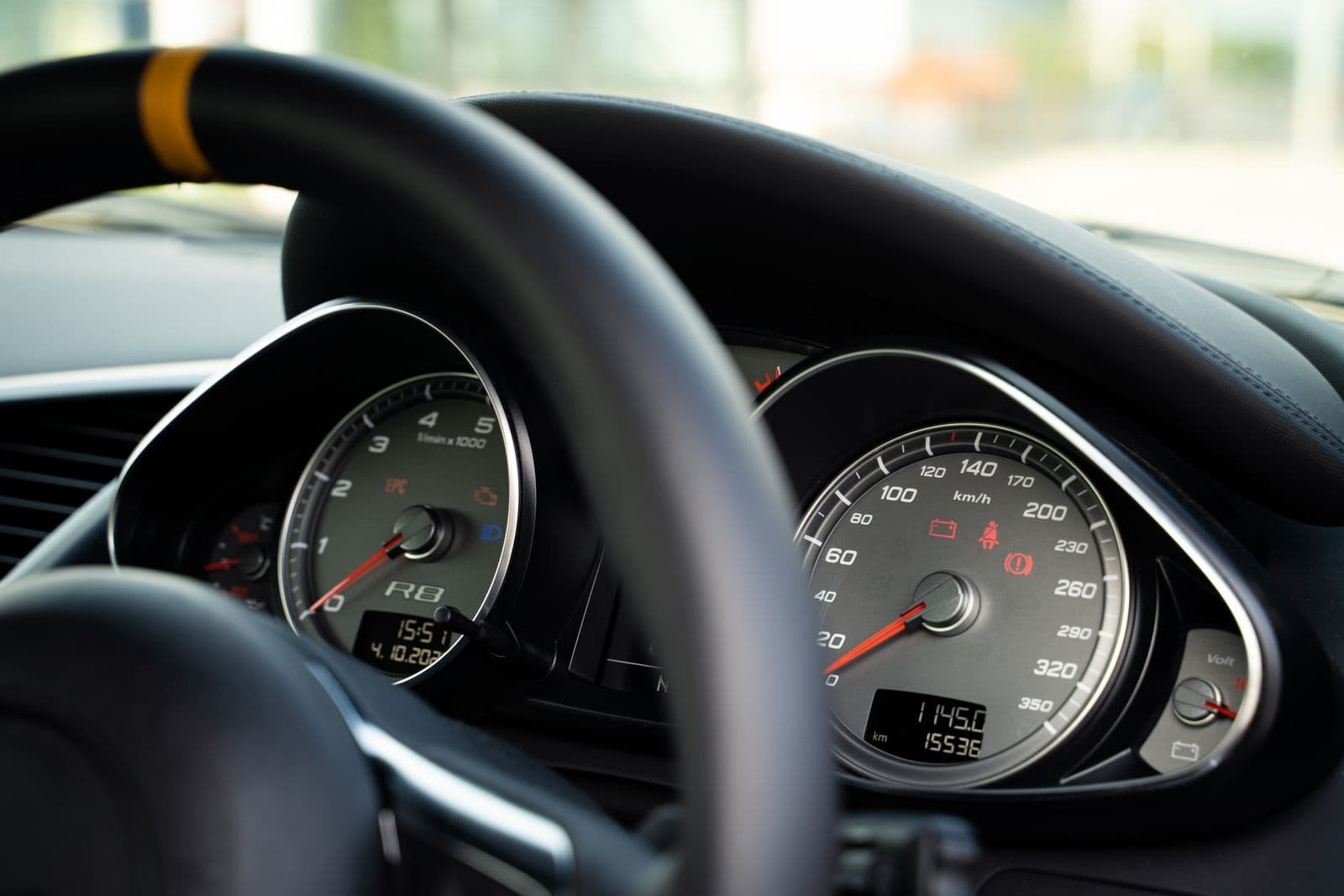
Kilometres
The single most-scrutinised number after price. Buyers use it as shorthand for remaining life, and the effect is non-linear — the gap between 80,000 and 120,000 km reads as much bigger than the gap between 180,000 and 220,000.
You obviously can't unwind them. But if you're near a psychologically significant number, selling before you cross it is a real, free decision. Somebody weighing "under 100,000" against "just over" is not being rational, and you don't have to fix that for them.
Service history
The factor with the best return on effort, and it's mostly about paperwork you already have.
A complete service book, or a folder of invoices, does two things: it evidences that the car was maintained, and it signals a certain kind of owner. Buyers pay for both. A car with full history and a car with none can be identical mechanically and won't fetch the same price.
If your history is scattered across email and glovebox receipts, spending an hour assembling it into one folder is the highest-value hour in the whole sale.
Condition and presentation
A clean, undamaged car photographed in daylight beats an identical dirty one photographed at dusk, and the gap is larger than the cost of a wash.
This is not about a professional detail — see whether it's worth fixing things first for where that line sits. It's about not handing the buyer free negotiating points.
Colour
Conventional colours — white, silver, grey, black — have the broadest appeal in Australia and tend to be the easiest to sell. Bold colours narrow the buyer pool, which usually means a longer wait rather than a lower price.
There's a genuine exception: on sports and enthusiast cars, a factory colour the model is known for can be worth a premium, because the buyer pool is different.
You can't repaint your way to a better price. Resale colour is a decision made when you buy, and worth remembering next time.
Body type and drivetrain
Demand shifts. SUVs and dual-cab utes have been strong in Australia for years; large sedans much weaker. Fuel type is moving as EV and hybrid demand changes, and that's a live picture rather than a settled one.
If you want to know what's actually happening in the segment you're selling into, look at what's currently listed and at what price — browse the market or a curated segment like SUVs or utes. Real current listings tell you more than any general article about depreciation, including this one.
Damage and written-off history
Written-off history is recorded and buyers check it on a PPSR check (opens in a new tab). It reduces value, and there's no way around that — but a properly disclosed and documented repair sells far better than one discovered mid-negotiation.
Using this when you price your car
Anchor on the current market, not on what you paid. What you paid is a fact about the past. What comparable cars are listed at today is the only number a buyer cares about.
Compare like with like. Same model, similar year, similar kilometres, similar history. Then adjust honestly for where yours sits.
Price to sell, or price to wait — but pick one. An ambitious price is fine if you're relaxed about time. It becomes expensive when you drop it in stages over three months, because a listing that's been up that long reads as a car nobody wanted.
Remember what the buyer pays on top. Transfer fee and duty are real money to them, and they'll factor it in — see the cost breakdown.
What this means if you're selling on MotorLoop
The most useful thing is free and takes ten minutes: look at what comparable cars are actually listed at right now, then place yours honestly against them. Listing a car on MotorLoop is free, and when you create a listing the AI will draft the description for you from the details you enter — so the writing isn't the hard part. The pricing is.