Selling a car privately in Australia needs less paperwork than most people expect, and the document that protects you most isn't one your state asks for.
There are three categories: what your state requires, what protects you, and what buyers want to see.
Every state and territory requires the seller to notify them of the disposal. That's the one genuinely unavoidable piece of paperwork, and the deadline is not the same everywhere.
What your state requires
Two things, and only one of them applies everywhere.
A notice of disposal — in all eight states and territories. This is the form telling your transport department you no longer own the car. Lodge it and fines, tolls and infringements stop being your problem; skip it and they don't.
The deadline differs. Western Australia (opens in a new tab) and Tasmania (opens in a new tab) allow 7 days. New South Wales (opens in a new tab), Victoria (opens in a new tab), Queensland (opens in a new tab), South Australia (opens in a new tab) and the Northern Territory (opens in a new tab) allow 14. For the ACT (opens in a new tab) we couldn't find a stated deadline — confirm with Access Canberra, and lodge it the day you sell regardless.
An inspection certificate — in four of the eight.
- Victoria (opens in a new tab) — a Certificate of Roadworthiness less than 30 days old, and the seller must supply it. The only state where that's the seller's obligation.
- Queensland (opens in a new tab) — a safety certificate to complete the sale, valid 2 months or 2,000 km for a private seller.
- The ACT (opens in a new tab) — an inspection for any vehicle over six years old, or an imported vehicle.
- The Northern Territory (opens in a new tab) — for light vehicles seven years and older. Either party can obtain it.
New South Wales (opens in a new tab), Western Australia (opens in a new tab), South Australia (opens in a new tab) and Tasmania (opens in a new tab) require none to sell a registered light vehicle. If you've read that a roadworthy is needed to sell a car "in Australia", that's why it's wrong — it's true in half the country and false in the other half.
The state-by-state breakdown has the detail for each.
What protects you: the receipt
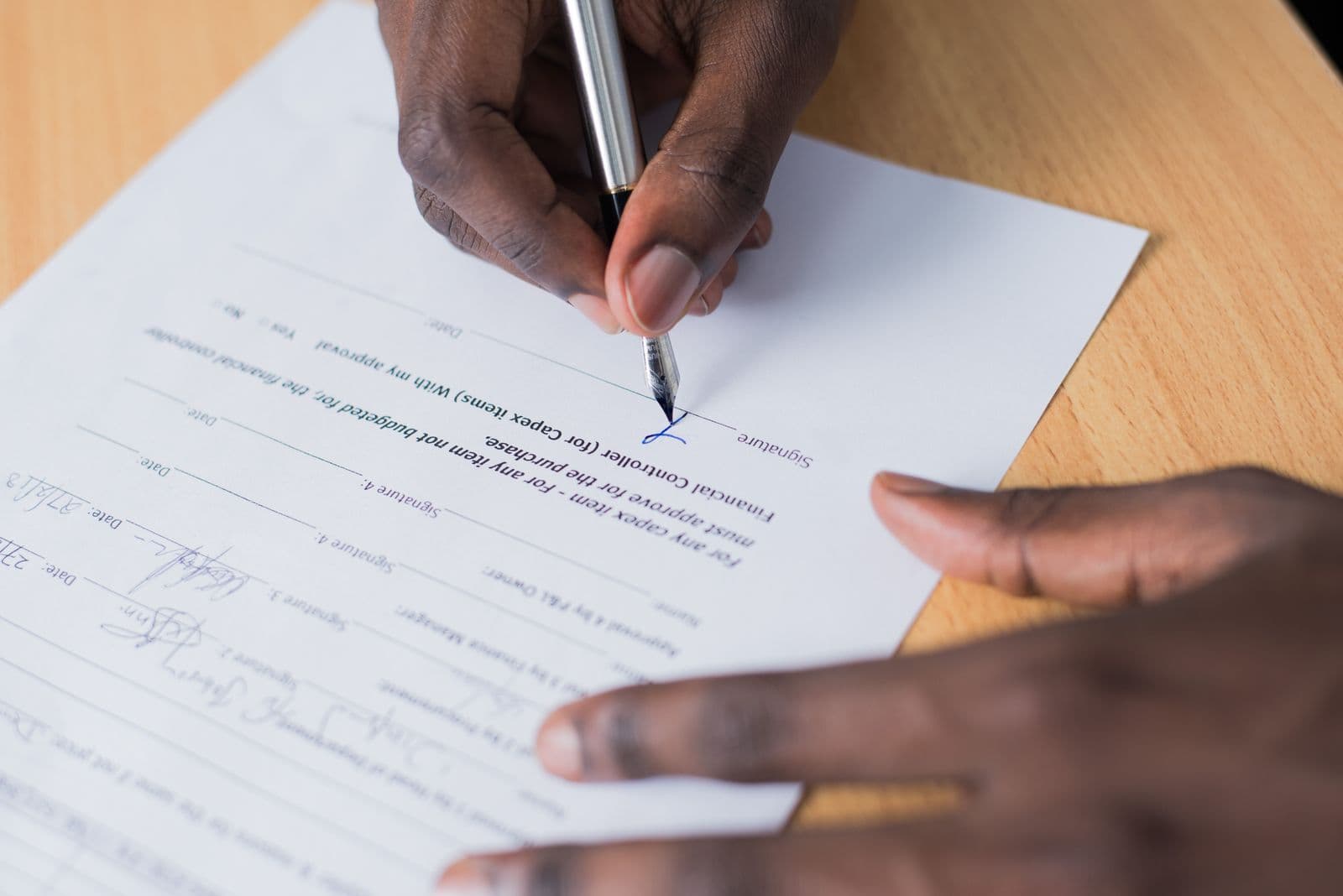
Write one. It takes two minutes, and we could find no state that requires it — which is exactly why so many private sellers don't bother, and why it's the thing they wish they had when a fine arrives or a buyer reappears three weeks later.
What a private-sale receipt should carry:
- Both parties' full names and addresses — the buyer's taken from their driver licence, not from what they told you
- The date of sale
- The sale price, as actually paid
- The vehicle's make, model, registration number and VIN
- The odometer reading at handover
- Both signatures, with a copy for each of you
Take a photo of the signed receipt before you part ways. Paper gets lost; the photo has a timestamp.
A note on wording: you'll see templates online that add a clause disclaiming any warranty as to the vehicle's condition. Whether such a clause does anything useful depends on the law where you are and on what you actually said to the buyer, so if you want one, get it worded by someone qualified rather than copying it off a web page — including this one. The factual record above is the part that reliably helps you.
What buyers will ask for
None of these are legally required, and all of them make the sale easier:
The registration certificate or papers. Proof the car is what you say it is.
Service history. A folder of receipts is the cheapest trust available to a private seller, and the thing most likely to justify your price against a cheaper identical car.
Owner's manual and spare keys. Small, and their absence is a negotiating point.
Your state's inspection certificate, where one is required.
A PPSR certificate. Buyers are advised to run their own PPSR check (opens in a new tab) — it reveals finance owing, written-off history and theft records. Some sellers run one themselves and mention it in the ad. It's inexpensive and it pre-empts the single biggest source of buyer hesitation.
What you don't need
A written contract. We could find no Australian state or territory that requires one for a private sale. The receipt does the job.
An inspection certificate, in half the country — see above.
A statutory declaration, in ordinary circumstances. Specific situations do need extra documents: a deceased estate (opens in a new tab), for instance, has its own process in each state. Your transport department publishes what applies.
If there's money owing on the car
You'll need a payout figure or letter from your financier, and the buyer will want evidence the encumbrance is discharged before they pay in full. A buyer who runs a PPSR check (opens in a new tab) and finds finance you didn't mention will usually just walk. Sort it out before you advertise, not during a negotiation.
What this means if you're selling on MotorLoop
The paperwork is between you, your buyer and your state. What we handle is the listing: listing a car on MotorLoop is free, and buyers message you in the app so your phone number stays private until you choose to share it.