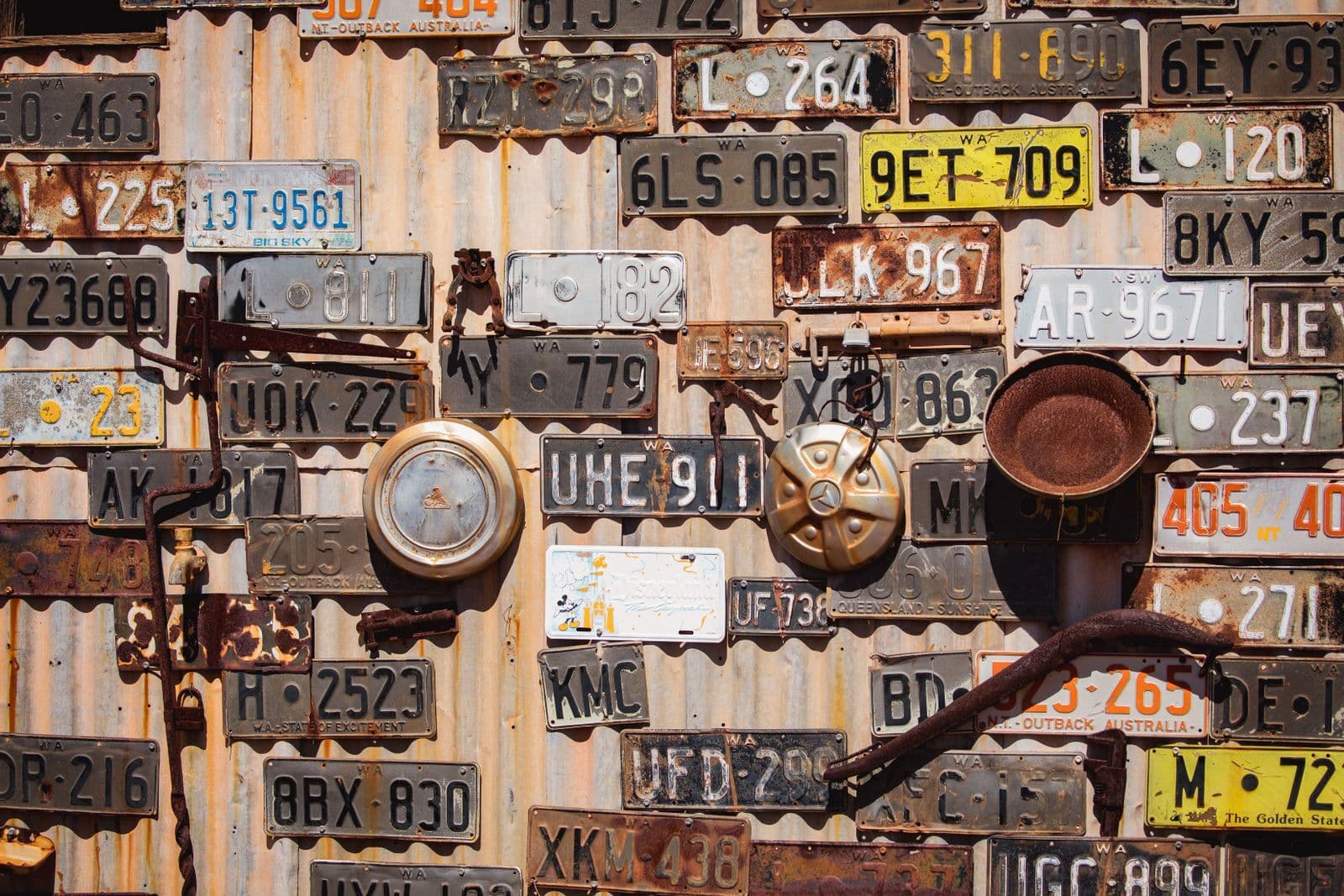
For a standard-issue plate on a normal sale, the plates stay with the car and you don't have to think about it.
Three situations make it worth thinking about: you have personalised or custom plates you want to keep, you're cancelling registration rather than transferring it, or you're selling interstate.
If you have plates you paid extra for, deal with them before the sale — not after. Untangling it once the car is registered to someone else is a much longer conversation.
The ordinary case
Standard plates are issued against the vehicle's registration. When registration transfers to the buyer, the plates go too, and nobody needs to do anything.
That's most sales. If yours is one, skip to the interstate section or stop reading.
Personalised and custom plates
Plates you chose and paid extra for are generally treated as separate from the vehicle — you hold a right to display that combination, and it doesn't have to leave with the car.
Decide before you advertise, because it changes what you're selling. Two paths:
Keep them. You'll need to arrange for standard plates to be fitted to the vehicle before or at the transfer, and to park your combination with your transport department until you put it on another car. There's usually a process and often a fee for holding it. The Northern Territory publishes this as a transfer of the right to display (opens in a new tab); other states have equivalents under their own names.
Include them in the sale. Perfectly reasonable, and sometimes worth real money if the combination is desirable. Say so in the ad — it's a selling point, and a buyer who assumed they were getting the plates and doesn't is a buyer with a grievance.
Either way, put it in writing. "Personalised plates not included, standard plates will be fitted" in the ad and on the receipt costs you nothing and prevents an argument at handover.
When registration is cancelled rather than transferred
If you're cancelling registration instead of transferring it — because the car is being scrapped, taken off the road, or sold unregistered — the plates usually have to be returned to your transport department rather than left on the vehicle.
This matters for a reason beyond tidiness: in some states, returning the plates is what completes the cancellation, and completing the cancellation is what determines whether any refund arises on registration or CTP. Doing it in the wrong order can cost you money. Ask your transport department what sequence they want.
Selling interstate
Plates generally belong to the jurisdiction, not the car. So when a vehicle is registered in a new state it gets new plates, and the old ones are surrendered or returned.
Two implications, both mildly in your favour: if you want to keep a personalised combination, an interstate sale often makes that simpler, because the plates were coming off anyway. And there may be a step for you — returning plates — that a local sale wouldn't involve. Check yours before the car leaves.
What to do, in order
- Work out what kind of plates you have. Standard, or something you paid extra for?
- If they're personalised, decide whether you're keeping them or selling them, before you write the ad.
- Say so in the ad, either way.
- If you're keeping them, arrange standard plates and the holding process with your transport department before the transfer.
- If registration is being cancelled, ask what to do with the plates and in what order.
- Put it on the receipt.
A note on virtual plates
MotorLoop gives a listing its own virtual number plate — a code and a short link, so a car can be shared and found by that code rather than by a URL nobody can remember.
Worth being clear: that's a MotorLoop thing, not a registration thing. It has no relationship to your real plates, no legal standing, and it doesn't transfer to the buyer as an asset. It's a way of pointing at a listing. Nothing on this page changes because of it.
What this means if you're selling on MotorLoop
Plates are between you and your transport department. Listing a car on MotorLoop is free, and if you're keeping personalised plates, mention it in the listing description so buyers know what they're getting.