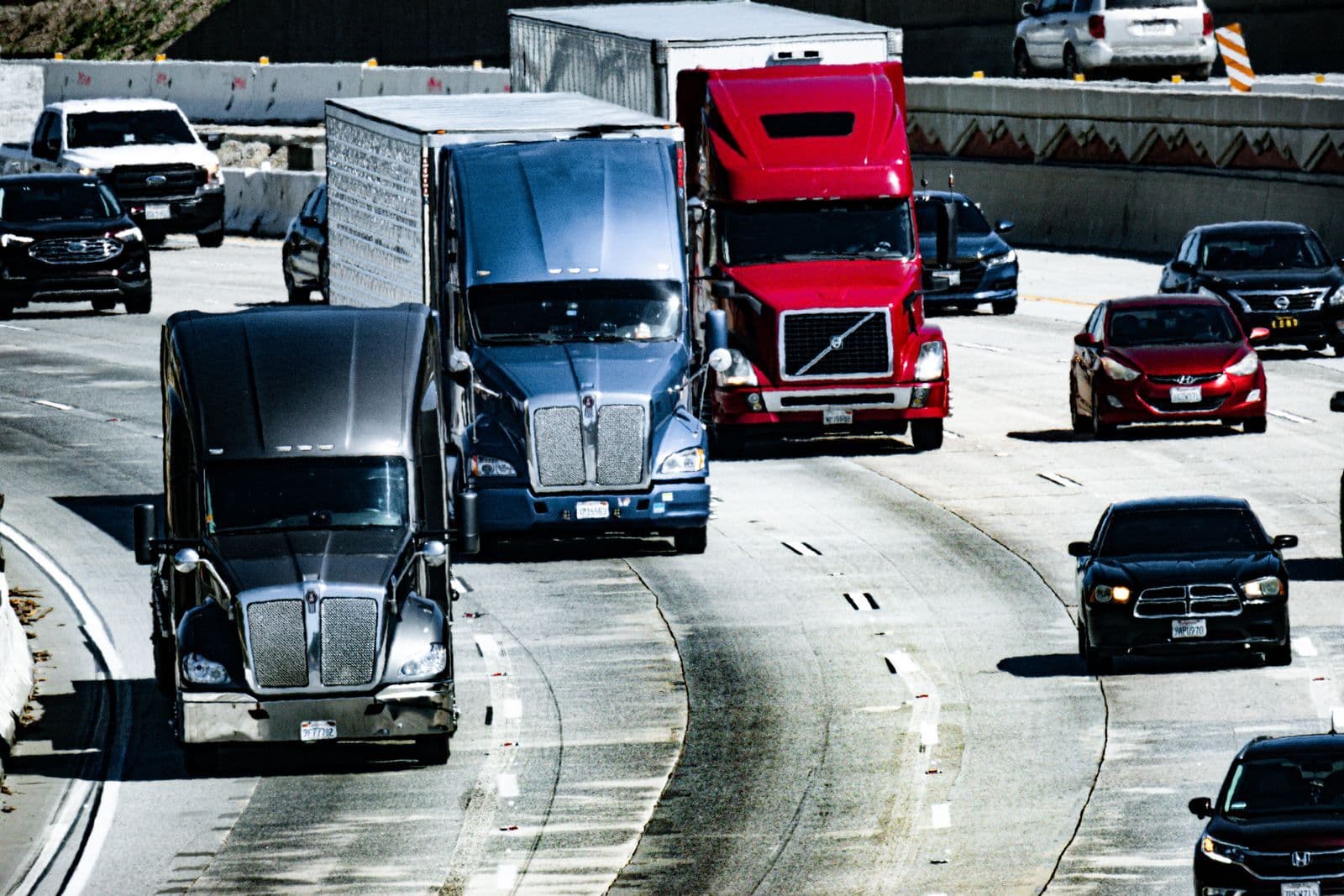
A national marketplace surfaces interstate buyers, which is good — a bigger pool means a better price. It also introduces friction that kills deals late if nobody thought about it early.
Three things change: which state's rules apply, what happens to the plates, and how the car gets there.
Sort out who does what before you accept an interstate offer. The deals that fall over do so at the point someone realises they'd assumed the other party was handling the inspection.
Whose rules apply
Your obligations as a seller follow your state — the one the vehicle is registered in. You lodge your state's notice of disposal, to your state's deadline, exactly as you would for a local sale. The deadlines differ: 7 days in WA and Tasmania, 14 in most of the rest.
The buyer's obligations follow their state, and that's where it gets interesting. They're not transferring your registration into their name — they're registering the vehicle in a new jurisdiction, which is a different and usually more involved process. It commonly involves an inspection in the destination state, whether or not your state required one to sell.
Two consequences worth naming to the buyer explicitly:
They may need an inspection you didn't. A Tasmanian seller owes no inspection for a within-state sale (opens in a new tab), but a mainland buyer registering the car may well need one.
Their duty is calculated on their state's basis, not yours. The bases genuinely differ — Queensland charges by cylinder count, the ACT by CO₂ emissions, the NT a flat 3%. A buyer who's budgeted for their home state is fine; one who assumed yours may be surprised.
Victoria publishes specific guidance on selling interstate (opens in a new tab) that's worth reading if you're a Victorian seller. Most states don't, which is why this comes up as a surprise.
What happens to the plates
Generally the plates belong to the state, not the car. When a vehicle is registered in a new jurisdiction it gets new plates, and the old ones are usually returned or surrendered.
Two implications. If you have personalised plates you want to keep, an interstate sale often makes that simpler rather than harder. And there may be a step for you — returning plates to your transport department — that a local sale wouldn't involve. Check yours; see what happens to plates when you sell.
Getting the car there
Three options, and it's worth agreeing which before money changes hands:
The buyer drives it. Simplest, if the registration is current and has time left on it. Registration remains valid across state lines until it expires, so a buyer can generally drive a registered car home and register it at the other end within their state's window.
Transport it. Car carriers run the major routes and it's an ordinary expense. Almost always the buyer's cost — but say so explicitly rather than assuming.
A permit, if the vehicle is unregistered. Every jurisdiction issues something for moving an unregistered vehicle; the buyer arranges it in their state.
Getting paid at a distance
This deserves the most care, because you may never meet.
Don't release the car before the funds have cleared. Same rule as any private sale; the distance makes it more important, not less.
Be alert to the transport-agent scam. A "buyer" offers over your asking price, sends what looks like payment, then asks you to forward money to a shipping agent. It's fraudulent, every time. Any request to send money to a third party as part of a car sale is the pattern to walk away from — Scamwatch (opens in a new tab) keeps current descriptions.
Send a video walkaround instead of an inspection. A remote buyer who can't inspect will either discount hard or want reassurance. A thorough video — cold start, panel gaps, interior, odometer, service book — is cheap to make and does most of that work.
Our payment guide covers the mechanics.
A checklist before you accept an interstate offer
- Agree who obtains any inspection the buyer's state needs, and who pays
- Agree how the car travels, and who pays
- Confirm you lodge your own state's notice of disposal to your own state's deadline regardless
- Check whether you need to return plates
- Agree the payment method and sequence in writing before anything moves
- Send a video walkaround if the buyer can't inspect in person
What this means if you're selling on MotorLoop
Listings are national, so interstate enquiries are normal rather than exotic. Listing a car on MotorLoop is free, and buyers message you in the app — a better channel than a phone call for the back-and-forth an interstate deal needs, and your number stays private until you decide otherwise.