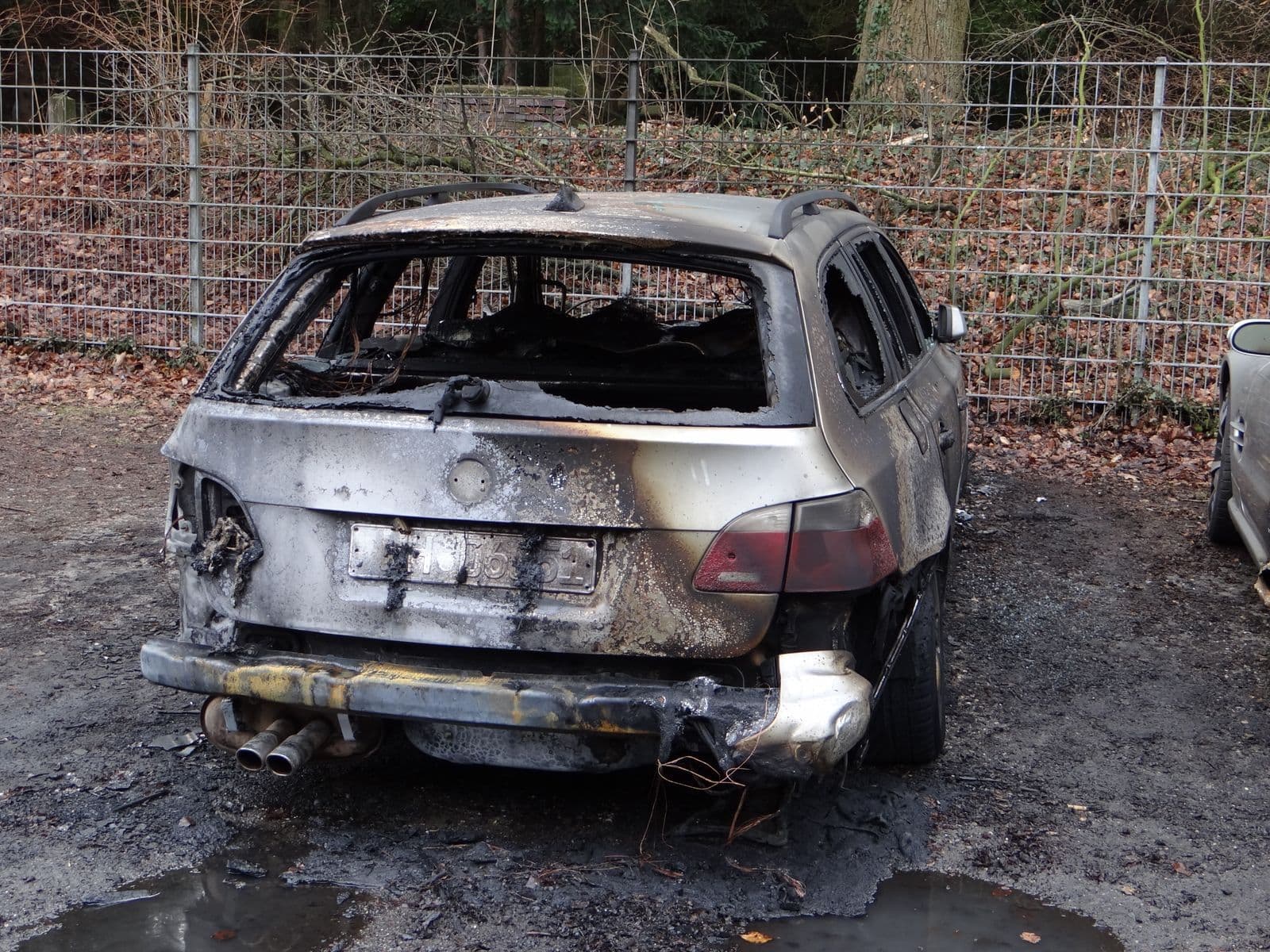
A written-off vehicle isn't unsellable. Repairable write-offs change hands regularly, and there's a genuine market for them — as projects, as parts, and as cheap transport where the repair was sound.
What sinks these sales isn't the write-off. It's a buyer discovering it themselves, after they've made an offer.
The buyer will find it. A PPSR check (opens in a new tab) reports written-off status, and it costs a few dollars. Disclose it in the ad and you're selling a repairable write-off; let them discover it and you look like you were hiding something.
Two kinds of write-off
The categories matter, because they determine what can legally happen to the vehicle.
A statutory write-off is damaged beyond the point where it can be repaired and re-registered. It can generally be sold for parts or scrap, but not returned to the road. Selling one as a repairable project is not just optimistic — it's misleading.
A repairable write-off can be repaired and, subject to inspection and each state's process, re-registered. This is the category most private sales involve.
The distinction is recorded, not a matter of opinion. If you're unsure which applies to your vehicle, that's the first thing to establish — your state's written-off vehicle register is the authority.
What you're obliged to disclose
This is where the rules genuinely differ, and where most of the content online is wrong.
Western Australia is the clearest: written-off status is a declared field on the statutory transfer form (form MR9 (opens in a new tab)). You complete it as part of the transfer, so disclosure isn't discretionary. WA also expects broader candour — Consumer Protection's guidance (opens in a new tab) notes a seller may be liable for knowing of a serious defect and not making it known.
Queensland — we could not find a current requirement obliging a private seller to disclose written-off history, and the department has flagged reforms to the written-off vehicle scheme (opens in a new tab) that include mandatory seller disclosure, expected around 2027. Check the current position; this is exactly the kind of rule that changes.
Everywhere else — we could not positively confirm a specific private-seller disclosure duty. That is not the same as there being none, and it emphatically doesn't mean you can stay quiet: consumer law prohibitions on misleading conduct don't require a vehicle-specific rule to apply, and a buyer who's been misled has options whatever the registration rules say.
Our honest position: treat disclosure as mandatory everywhere, because the legal question is murkier than the practical one, and the practical one has a clear answer.
How to sell one properly
Say it in the ad, in plain words. "Repairable write-off, repaired [when] by [who]" — up front, not in the fine print. It filters out buyers who'd have walked at the PPSR check, which saves you both time.
Price it accordingly. A repaired write-off is worth less than an equivalent car with clean history, and pretending otherwise just extends the listing. The discount is the reason someone's interested.
Document the repair. Invoices, photos of the work, the inspection that got it back on the road. This is the difference between "written off once" and "written off, professionally repaired, here's the evidence" — and it's worth real money.
Expect scrutiny, and welcome it. A buyer who wants an independent inspection is the buyer most likely to complete. Let them.
If it can't be re-registered
A statutory write-off is a parts or scrap sale. Be explicit about that in the ad, because a buyer who assumes they can register it has a legitimate complaint.
Dismantlers and wreckers buy these routinely, usually below what a private buyer would pay, but with far less friction. If the vehicle genuinely can't return to the road, that's often the sensible route.
Hail, flood and other damage without a write-off
Not all damaged cars are written off. A hail-damaged car that was never claimed, or never met the threshold, has clean written-off history — and no register entry to disclose.
You should still describe the damage accurately. "Hail damage, never claimed, drives fine" is a perfectly sellable proposition. Photographs of the actual panels do more for you than any adjective.
The rest of the process
Unchanged. Your state's notice of disposal deadline, the transfer, and any inspection your state requires all apply as they would to any private sale. Note that a repaired write-off may face additional inspection requirements before it can be registered — that's the buyer's problem procedurally, but it's your problem commercially, so know the answer before they ask.
What this means if you're selling on MotorLoop
Listing a car on MotorLoop is free, and the description is yours to write in full — which matters here, because "repairable write-off, repaired properly, here's the evidence" needs more than a headline.