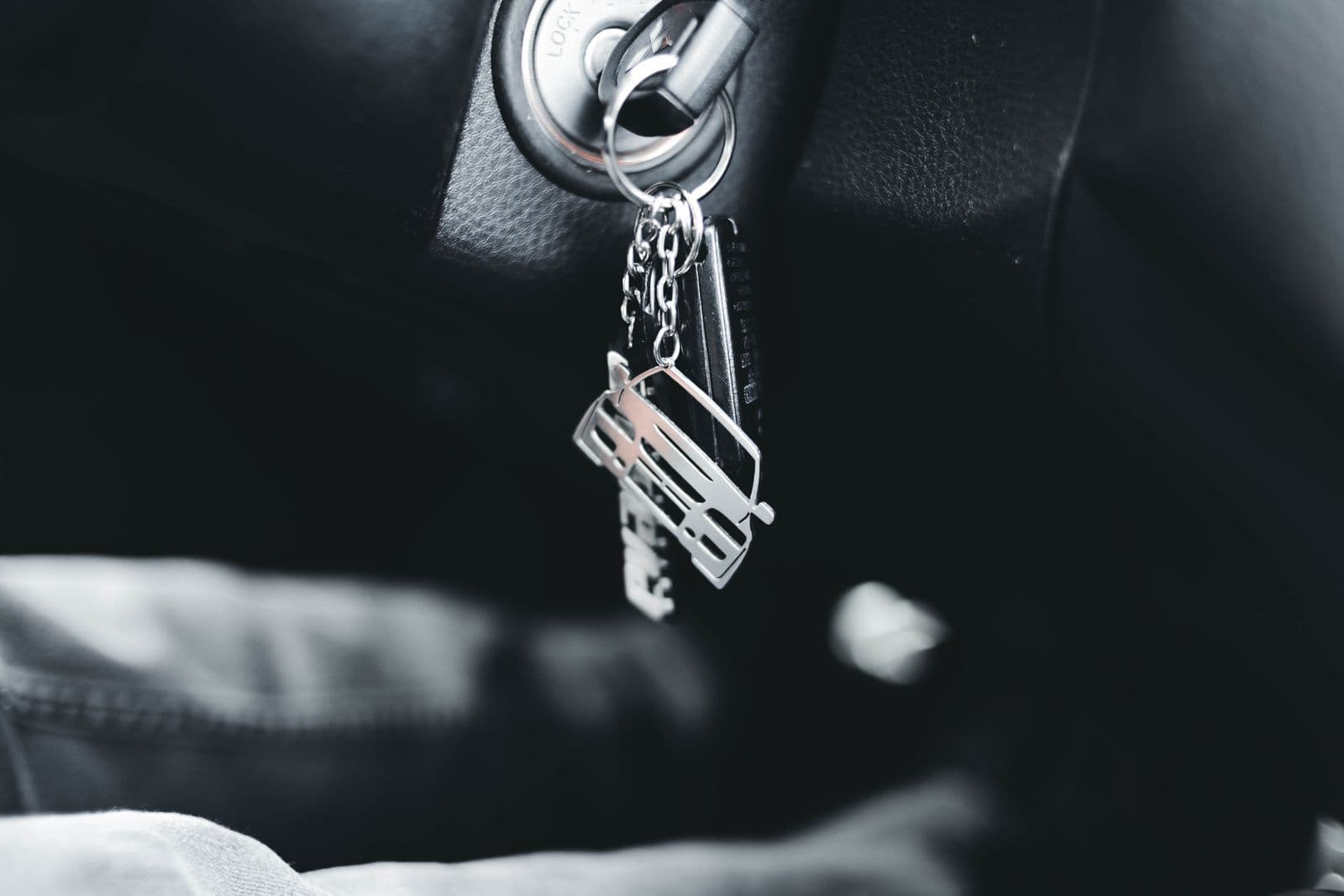
Tasmania records the lowest car theft volumes of any Australian state — a fraction of what the mainland sees. But low doesn't mean zero, and the character of theft here is distinctive: overwhelmingly opportunistic, concentrated in a handful of population centres, and aimed squarely at the state's older cars.
The numbers
Vehicle theft in Tasmania is measured in the hundreds-to-low-thousands per year rather than the tens of thousands seen in Victoria. It concentrates where the people are: Hobart, Launceston and Devonport account for most reports, with suburbs, shopping precincts and unlocked driveways the common settings.
Why older cars are the target
Tasmania has one of the oldest vehicle fleets in the country, and that matters more here than anywhere. Cars built before factory engine immobilisers became standard (roughly the early 2000s) can be started without the key using techniques that simply don't work on modern vehicles. Combine an old fleet with a relaxed attitude to locking up, and you get Tasmania's dominant theft pattern: an unlocked older car, sometimes with the keys inside, taken on impulse.
How thefts happen here
- Opportunistic joyriding — the vehicle taken for transport and later dumped.
- Keys taken from inside homes, sheds and unlocked cars.
- Theft from vehicles — far more common than theft of them; valuables left visible are the invitation.
Protecting your car
- Lock it. Every time. Even in the driveway, even in a small town — this alone removes most of the risk in Tasmania.
- Never leave keys in the car or visible near the front door.
- If you drive a pre-2000s car, a retrofitted immobiliser or a simple steering lock transforms it from the easiest target on the street to the hardest.
- Garage it where you can, and don't leave valuables on display.
Buying a used car? Check first
- Run a PPSR check (opens in a new tab) — a couple of dollars against stolen status, write-offs and finance owing.
- Match the VIN to the papers and the seller's ID to the registered operator.
- With mainland cars regularly crossing on the ferry, don't assume a local plate means a local history — the PPSR check is national.
If your car is stolen
Call 000 if it's in progress, or 131 444 to report. Notify your insurer and the Registrar of Motor Vehicles, and watch for infringements in your name.
Tasmania Police publishes current crime statistics online; figures above reflect reporting available in early 2026.