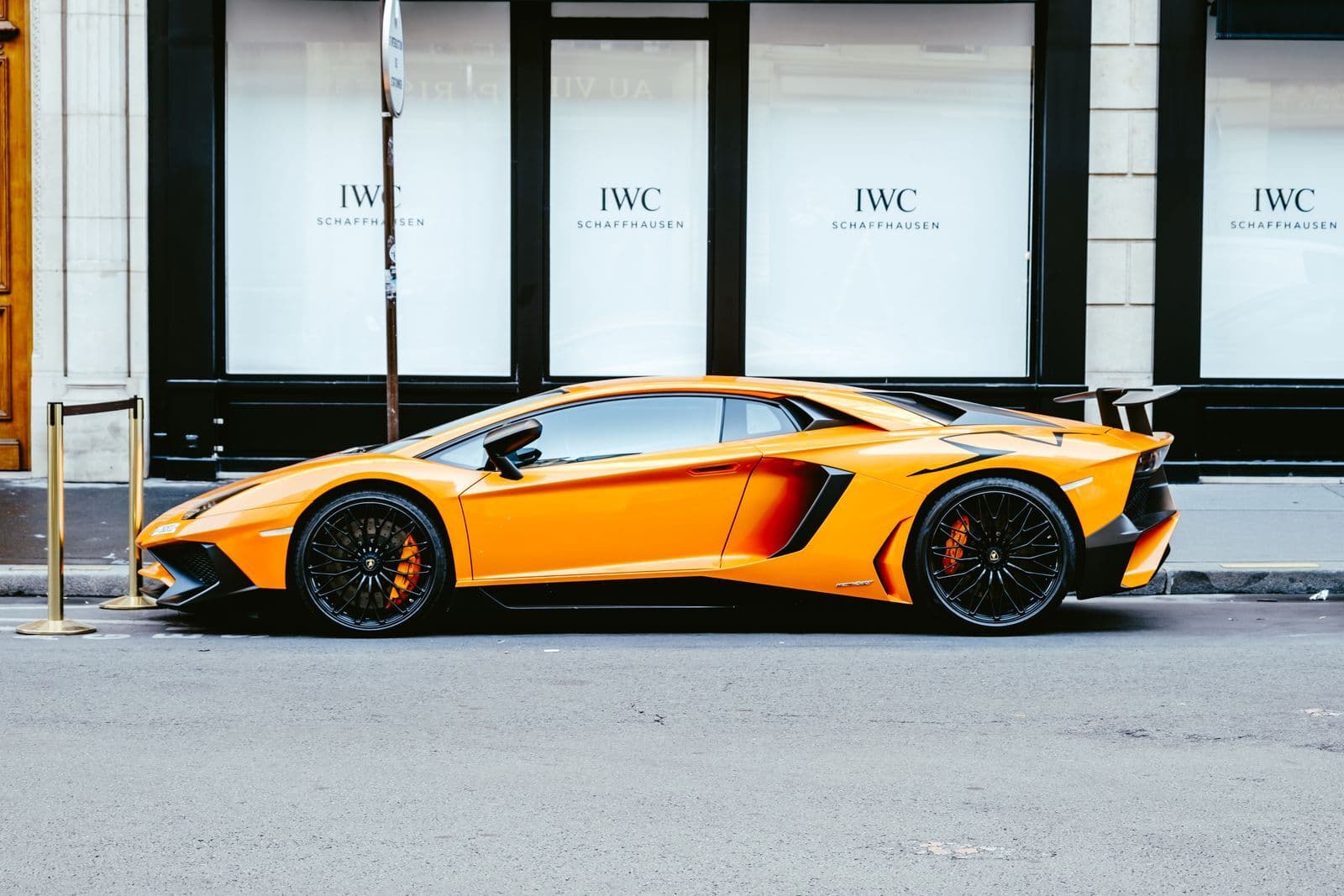
Ask five enthusiasts where a sports car ends and a supercar begins and you'll get five confident, incompatible answers — usually involving horsepower numbers that were extraordinary in the year that person got their licence. The truth is that none of these labels has an official definition. They're not regulated categories or engineering terms; they're a shared shorthand that shifts with every generation of cars. But the shorthand still means something, and once you see what each label is really describing — intent, compromise and scale, rather than any particular number — the whole vocabulary snaps into focus.
This piece opens a daily series on supercars and exotics: the history, the marques, the physics and the distinctly Australian realities of buying, insuring and owning them. Consider this the map.
No horsepower figure defines a supercar. Yesterday's supercar numbers are today's mid-range EV numbers — what defines the breed is what the car sacrifices, not what it produces.
Sports car: the honest baseline
A sports car is a car whose first priority is the driver's enjoyment — but which still negotiates with reality. An MX-5, a Toyota GR86, a Boxster: two seats or close to it, tuned for response over comfort, yet priced, sized and serviced like something an ordinary enthusiast can genuinely run. The defining trait is balance. A sports car asks for some compromise; it doesn't demand your lifestyle reorganise around it.
Supercar: spectacle without apology
A supercar stops negotiating. It's built around maximum performance and maximum drama, and it accepts the consequences — poor visibility, awkward entry, luggage space measured in soft bags, servicing that assumes a specialist. Mid-engined proportions became the template (a story that starts with one Lamborghini in 1966, which is where this series goes next), and low-volume production keeps them rare enough to turn heads. The tell isn't a number; it's that the car's everyday flaws are accepted as part of the point. When a carpark gathers a crowd, you're looking at the definition working.
Hypercar: the limited-run summit
"Hypercar" emerged when supercars became almost too capable and too numerous to feel special. It describes the tier above: production runs in the hundreds or fewer, prices with one or two extra digits, and engineering that exists to move the state of the art — the cars that debut technology the rest of the industry adopts a decade later. The 1990s McLaren F1 is the usual retrofitted starting point, and the 2013 hybrid trio from McLaren, Ferrari and Porsche made the tier explicit. If a supercar is a marque's calling card, a hypercar is its manifesto.
Exotic: origin and aura
"Exotic" is the loosest term of the four because it describes provenance and aura more than performance. In Australian usage it generally means a low-volume, high-priced car from a specialist or prestige marque — usually European, usually striking, not necessarily fast by modern standards. A 1980s Ferrari that a modern hot hatch would out-drag is still an exotic; a brutally quick performance sedan from a volume brand usually isn't. Exotic status is about how far the car sits from the mainstream — in badge, in body, in the experience of running one.
Grand tourer: speed that travels
The grand tourer (GT) rounds out the vocabulary: front-engined more often than not, two doors, occasionally two token rear seats, built to cross a continent quickly and comfortably rather than to lap anything. Many cars people casually call supercars — big V12 coupes especially — are really GTs wearing supercar prices. The distinction matters when you buy one, because a GT's compromises (weight, softness) and strengths (usability, luggage) are the opposite of a mid-engined car's.
Why the lines keep moving
Performance inflation redraws these boundaries constantly. Acceleration figures that defined the supercar elite twenty years ago are now available in family EVs, which is precisely why the labels have migrated away from numbers toward intent, scarcity and theatre. It's also why the used market is such fertile ground: a car keeps its supercar character — the drama, the proportions, the event of it — long after its performance stops being exceptional. That's the honest appeal of older exotics, and a recurring theme in this series.
What this means if you're buying or selling on MotorLoop
Labels set expectations, so use them accurately in a listing: "sports car" promises balance, "supercar" promises drama, "GT" promises distance. And if you own something special that isn't for sale, MotorLoop's showcase listings (opens in a new tab) let you share it without selling it — listing is free either way, and you can browse used cars across every one of these categories.
Related
- Showcase your car online: share the car without the hard sell (opens in a new tab)
- How to buy a used car (opens in a new tab)
- The rotary engine: how Mazda made the Wankel work and why it came back (opens in a new tab)
FAQs
What officially makes a car a supercar?
Nothing official — there's no regulated definition, horsepower threshold or governing body. The label describes intent and compromise: a low-volume car built around maximum performance and visual drama, accepting everyday impracticality as part of the deal. That's why the term drifts as ordinary cars get faster.
What's the difference between a supercar and a hypercar?
Tier and scarcity. Hypercars sit above supercars: production runs in the hundreds or fewer, dramatically higher prices, and engineering intended to advance the state of the art rather than just compete. The hybrid trio of 2013 — McLaren P1, LaFerrari, Porsche 918 — made the distinction mainstream.
Is a fast EV a supercar?
Straight-line speed alone doesn't do it — several family EVs now out-accelerate older supercars without anyone calling them exotic. An EV built with supercar intent, scarcity and drama can absolutely qualify; the badge follows the compromise and theatre, not the powertrain. This series covers electric supercars in their own right later on.