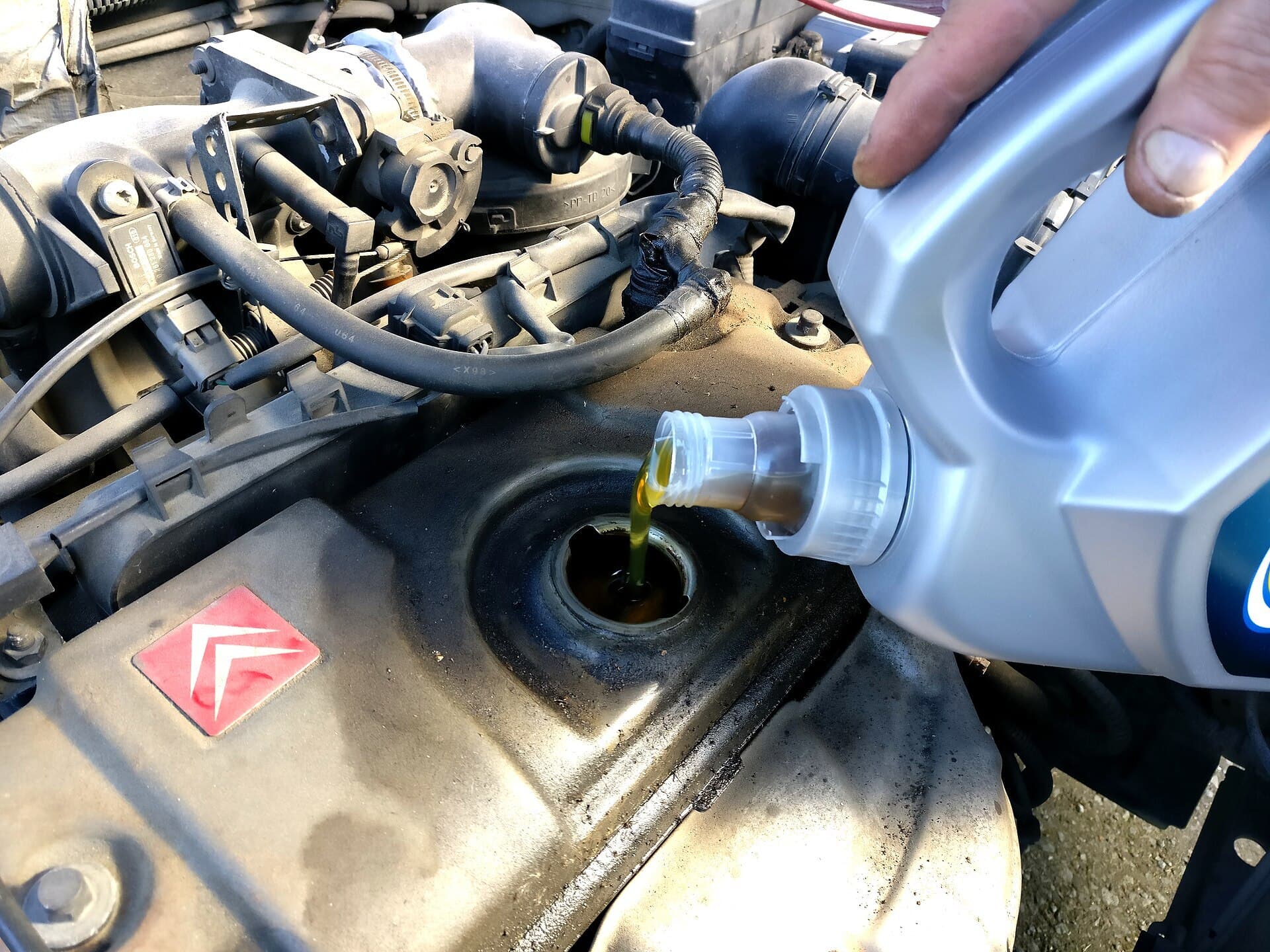
The oil in most new cars has been getting thinner for twenty years: 5W-30, then 0W-20, then 0W-16, and now 0W-8 in some Toyotas. The reason is not your engine. It is fuel-economy and emissions targets, where every sliver of friction a manufacturer can shave counts. We think the engine pays for it, and it is why so many mechanics quietly put something thicker in once the warranty is done. Here is the case.
- 2.6 vs 2.9
- Minimum high-temperature viscosity, 0W-20 vs 5W-30 (mPa·s)
- ~2/3
- Share of test conditions where the thinner oil wore more
- 0W-8
- What some new Toyotas now specify
Why oil got thinner
Carmakers have to hit fleet fuel-economy and CO2 targets. In the US that has meant decades of fuel-economy rules; in Australia it now means the New Vehicle Efficiency Standard, which commenced on 1 January 2025 with supplier obligations from 1 July 2025. Thinner oil takes less effort to shear, so the engine wastes a little less fuel fighting its own lubricant. On an official test cycle that is a free gain.
The industry's oil standards reflect that priority. The committee that writes the ILSAC passenger-car oil standards is Ford, General Motors, Stellantis and the Japan Automobile Manufacturers Association, and certification includes a dedicated fuel-economy engine test. Protecting the engine is one goal of the standard. Saving fuel is written into it as another.
What "thinner" means where it matters
The number that counts is not the one printed large on the bottle. It is the high-temperature, high-shear viscosity, measured at 150°C and at the shear rates a loaded bearing sees. API 1509 sets minimums of 2.3 mPa·s for an SAE 16 grade, 2.6 for a 20, 2.9 for a 30 and 3.5 for a 40.
That is the film holding your crankshaft off its bearings when the engine is hot and working. Every step down the ladder gives some of it away. Going from a 30 to a 20 gives up about 10 per cent of the guaranteed film strength; going from a 20 to a 16 gives up about another 12.
What the wear test found
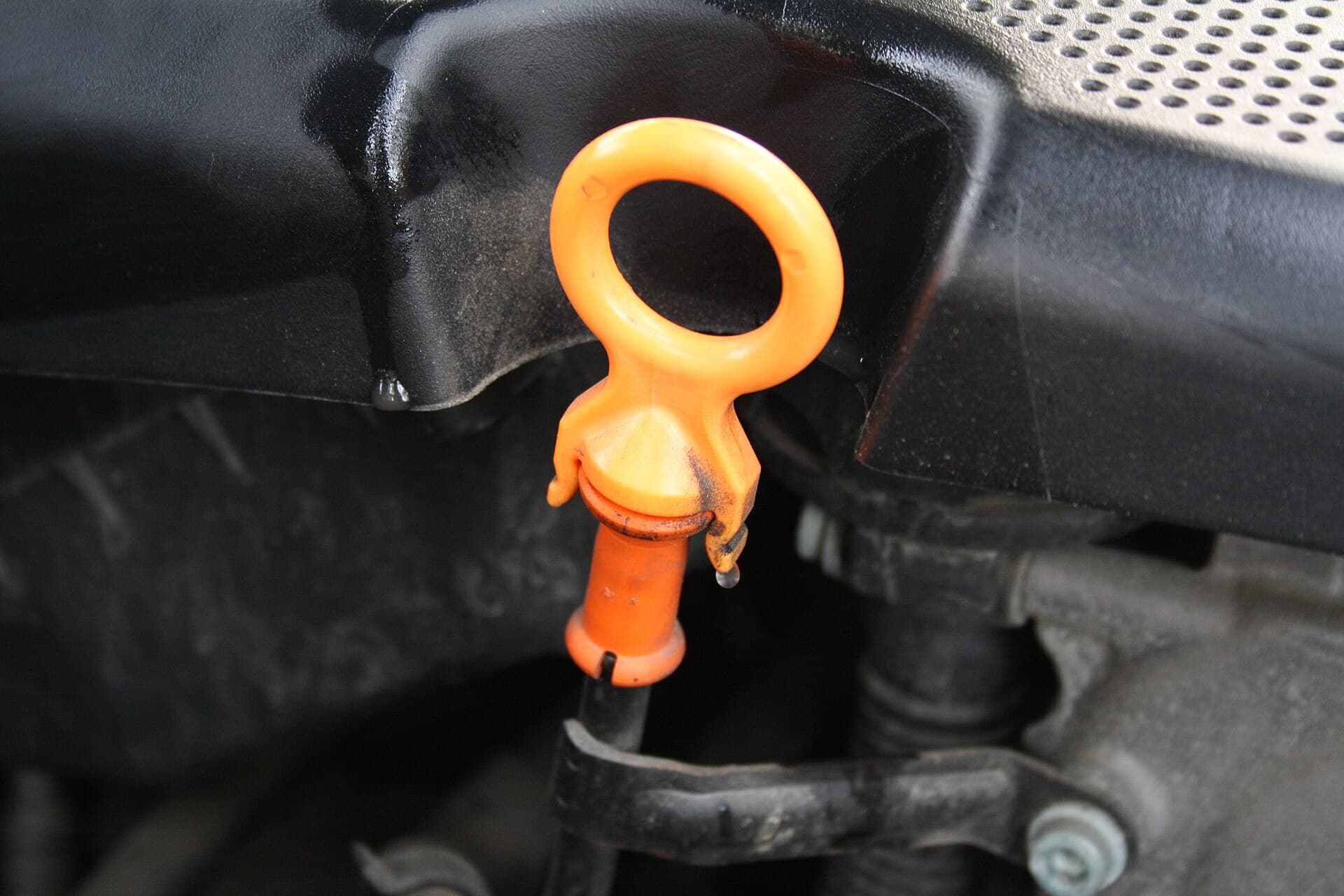
There is one controlled study that isolates viscosity properly, and it supports the worry. The CRC AVFL-28 Phase II programme, run by Southwest Research Institute, put a 5W-30 and a 0W-16 with an identical additive package through a Ford 2.0L EcoBoost with radioactive tracers on the rings, liner, bearings and turbo, so wear could be measured as it happened.
Its conclusion, in its own words: the "lower viscosity lubricant resulted in higher wear across roughly two thirds of the engine operating conditions".
That is the headline the oil companies do not put on the label. It is one engine family, and in the remaining third of conditions the thicker oil wore more. But when a test designed to inform the industry finds the thin oil wearing more most of the time, we do not think owners are being paranoid for asking the question.
The oil engineers say it too
This is not only a workshop opinion. Reviewing the friction literature for the lubricant trade, Lee and Zhmud write that keeping a proper oil film at lower viscosity often requires "substantial modifications in the engine hardware", from bearings and surface finishes to oil pumps and galleries, and that without them "the risk of excessive wear is real and cannot be ignored".
The same review found that the fuel saving from ultra-thin oil comes at medium-to-high revs and light load, while the low-rpm, high-load corner showed both worse economy and elevated main-bearing wear risk. That corner is a loaded ute or a caravan on a hill: the way a lot of Australians actually use their cars, and not the way an economy test drives them.
The oil you put in is not the oil you run
Thin oil starts thin and can get thinner. Direct-injection petrol engines can wash fuel into the sump. Testing on a highly boosted engine measured crankcase fuel dilution up to 9% on a cycle simulating customer driving, "causing significant drop in the oil viscosity". Honda issued a US service bulletin titled "Understanding Oil Dilution" for its 1.5L turbo engines.
Start with a 0W-16, dilute it with petrol on short trips, and the film protecting the bearings is thinner again than anything the standards were written around.
Where Toyota has taken it
Toyota's US owner's manual for the 2023 Corolla with the 2.0L engine specifies SAE 0W-8, allows 0W-16 only if 0W-8 is unavailable, and says "it must be replaced with SAE 0W-8 at the next oil change". The same manual explains that higher viscosity suits high speeds and extreme loads. Engines like that are designed with fine clearances around their thin oil. It still tells you which direction the priority runs.
The counter-argument, fairly
In the same wear study, the thicker oil wore more on some components, and the report says plainly that the thin oil did not wear more everywhere. The biggest wear variable in the whole programme was not the grade at all: cold-start cycles "showed the highest wear rates of any of the engine test cycles". And a modern engine is designed, tested and warranted on the oil it specifies.
We agree with every word of that, and it shapes our advice rather than overturning it.
What we would do
| Feature | Under warranty | Out of warranty |
|---|---|---|
| Use the grade in the manual | Yes | Your call |
| Go one grade thicker if the manual lists it as an alternative | Only if listed | Yes |
| Towing, heavy loads, hot climates | Ask the dealer for the severe-duty grade | Yes |
| Shorter oil-change intervals | Yes | Yes |
- Keep the paperwork. Under Australian Consumer Law your guarantees are not lost by servicing with an independent mechanic, as the ACCC sets out, as long as the work and the oil meet the manual's requirements. Keep invoices that name the oil.
- Read the manual's alternatives. Many manuals list more than one acceptable grade, often with a thicker option for hot climates or heavy use. That is the safe place to start.
- Ask your mechanic. Plenty of workshops recommend a step up in grade for high-kilometre engines, towing and hard work once the warranty is over. Ask what they would put in their own car.
- Change it sooner. Whatever the grade, fresh oil that has not been diluted by fuel protects better than oil that has.
While your car is under warranty, do not put in an oil that does not meet the grade and approvals in the owner's manual. If the engine fails, that is the first thing a manufacturer will ask about.
Header photo: Santeri Viinamäki, CC BY-SA 4.0, via Wikimedia Commons.
Related reading
- Does thin engine oil wear engines out faster? What the data shows
A controlled wear study found a 0W-16 wore more than a 5W-30 across about two thirds of the conditions tested, less across the rest, and cold starting moved wear more than the grade did.
- Is stop-start ruining your engine? What the evidence supports
Bench tests on real bearing shells, three patents and a US regulator investigation suggest stop-start shifted the load onto a bearing coating, the starter and the battery rather than wearing engines out.
- How to buy a used car in Australia
A step-by-step guide to buying a used car in Australia — setting a budget, searching smart, running a PPSR check, inspecting and test-driving, negotiating, and transferring the rego.