Most used-car scams rely on rushing you and getting money before you've seen the car or checked its history. Slow down, do the checks, and you'll sidestep nearly all of them.
The golden rules: never pay for a car you haven't seen in person, never send a deposit to "hold" a car, run a PPSR check before you pay, and pay in a way you can trace. If a deal only works if you act right now, it isn't a deal.
Fake deposit and "escrow" scams
The seller has a plausible reason they can't meet — overseas, deployed, moving — and asks for a deposit or full payment through an "escrow service", a shipping company, or gift cards or vouchers. The car and the money never arrive. Genuine private sales don't use gift cards, and legitimate escrow isn't something a stranger sets up for you by email. Only pay once you've seen the car and verified the seller.
Odometer wind-back
The displayed kilometres are lowered to make the car look barely used and worth more. Cross-check the odometer against the service logbook and receipts, the wear on the pedals, seat and steering wheel, and the general condition. A "90,000 km" car with a worn-out interior and no service history to back up the reading is telling you the truth.
Curbstoning (unlicensed dealers posing as private sellers)
Someone selling cars for profit while pretending to be a private seller, to dodge dealer obligations and consumer guarantees. Signs include the same phone number appearing on several listings, a seller who's vague about the car's history, meeting somewhere other than their home, and a name that doesn't match the registration papers. Buy from the registered owner, at their address where possible.
Cloned and copied listings
Scammers copy the photos and description of a real car and re-list it cheaply to harvest deposits. If a listing's price is well below everything comparable, be suspicious. Reverse-image-search the photos, and insist on seeing the actual car with the actual VIN before any money changes hands.
Money owing on the car
If the car has finance owing and it isn't paid out before you buy, the financier can repossess it even though you paid the seller in good faith. A PPSR check at ppsr.gov.au (using the VIN, for a couple of dollars) shows any security interest, plus whether the car has been written off or reported stolen. Do this before you pay, every time.
Paying safely
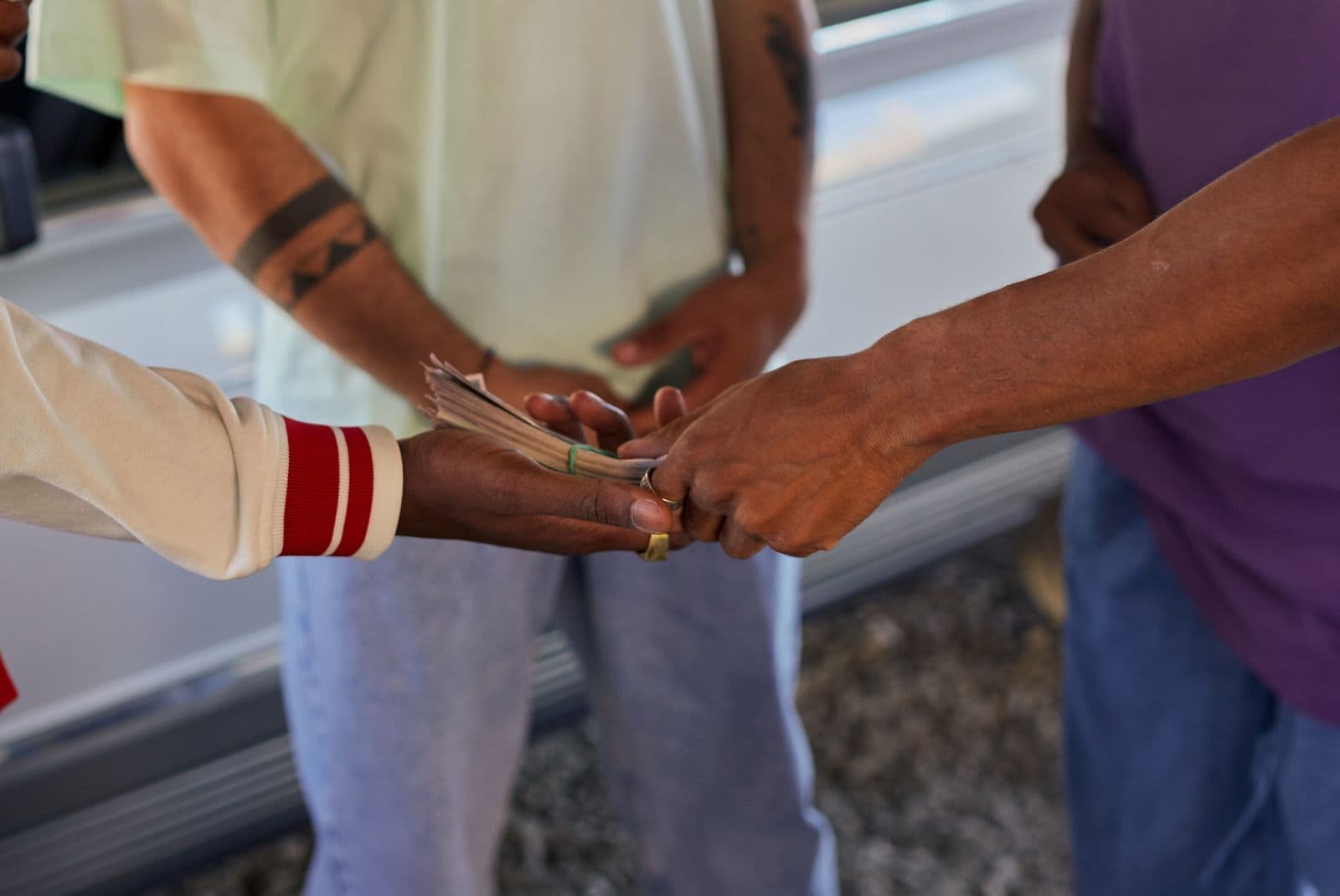
Pay in a traceable way — a bank transfer done in person or at a branch — rather than large amounts of cash, and never gift cards or crypto. Don't pay a deposit to hold a car sight-unseen. Get a signed receipt showing both parties' details, the price, date, VIN and odometer reading.
Meeting safely
Meet at the seller's home in daylight, and bring someone with you. Verify the seller's name matches the registration papers before you hand over anything. For the test drive, make sure the car is insured and don't leave a deposit or your own keys as "security".
If something feels off
Trust it and walk away — there's always another car. If you've lost money or spotted a scam, report it to Scamwatch (scamwatch.gov.au) and your state's consumer-protection or fair-trading office.