A car loan is the most common way Australians pay for a car, and the most common place they lose money on the transaction without noticing. Not usually through the interest rate — through the fees attached to it, the term it is written over, and a lump sum at the end that was presented as a feature.
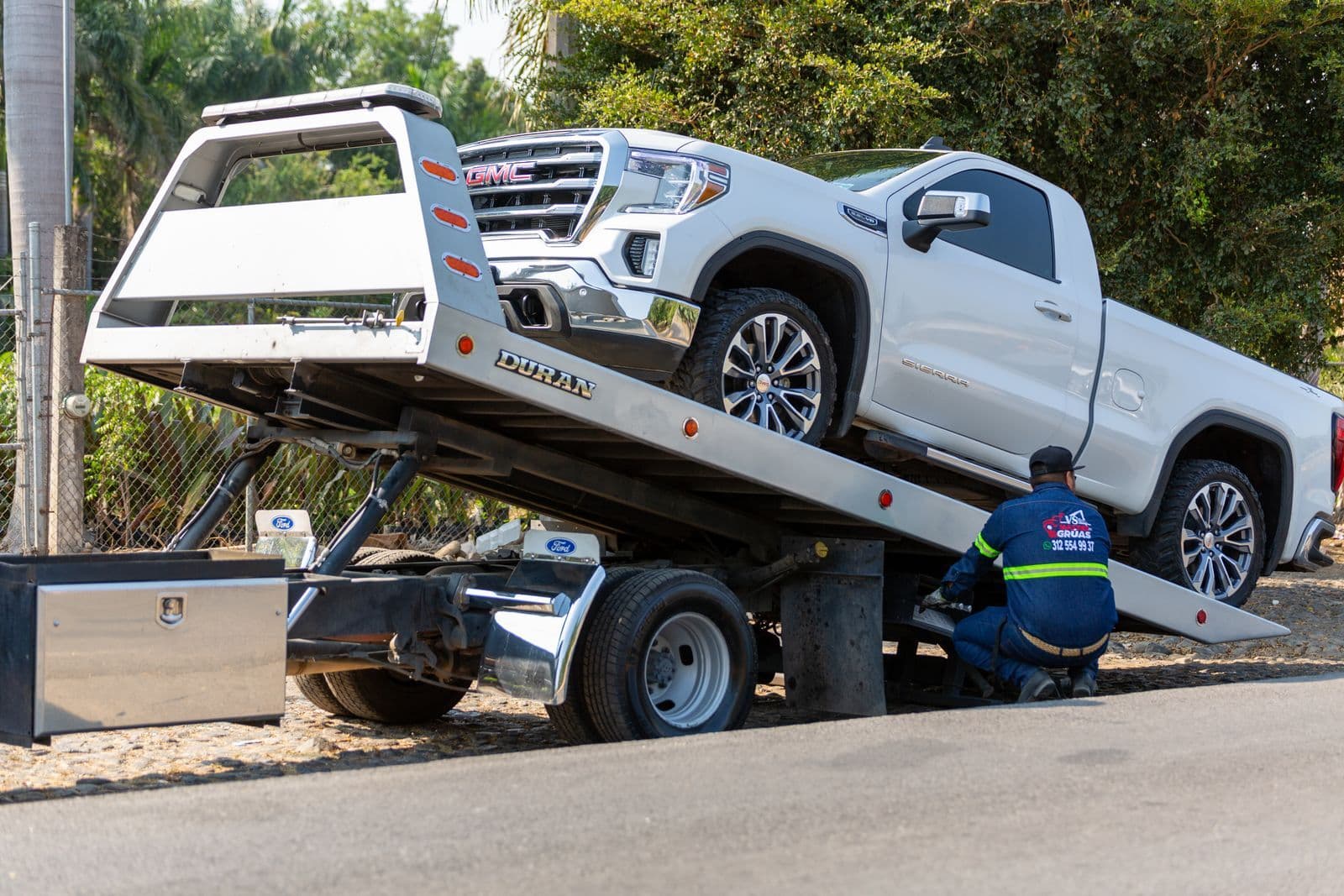
Losing the car does not clear the debt. In a sample of 250 loans ASIC reviewed where the car had been repossessed and sold, 90% of borrowers still owed more than half the total loan amount, and in some cases more than 100% of it. One borrower took out $23,250, had the car repossessed and sold after 18 months, and was left with $23,500 still owing. Repossession is not a way out of a car loan.
Secured or unsecured
A secured car loan uses the car as security: fall behind and the lender can repossess and sell it. An unsecured loan does not, so the car cannot be repossessed for that debt, but the rate is generally higher because the lender's risk is.
Most car finance in Australia is secured. The security is registered on the PPSR, which is why a later private buyer who does not run a PPSR search can buy a car and lose it to the financier.
The rate is not the cost
Lenders must give you the comparison rate: a single figure combining the interest rate with the fees, so two loans can be compared. Comparison rates are only comparable at the same loan amount and term, which is the qualification that gets dropped in advertising.
You can also choose fixed or variable. Fixed means the repayment does not move. Variable moves with the lender's rate, and variable loans usually have no early exit fee — which matters if you intend to pay the loan out early.
The fees, and who they go to
This is where ASIC found the widest variation. Its June 2026 report Lifting the bonnet: ASIC's review of car loans (opens in a new tab) (REP 832) examined data from over 350,000 loans across eight car finance providers, including some of Australia's largest.
What ASIC found on fees, June 2026
- Loans reviewed
- 350,000+
- Lenders reviewed
- 8
- Lender establishment fee
- $299 – $995
- Distributor establishment fee
- $912 – $2,500
- Worst case in the review
- $9,154 on a $49,162 loan
Loans typically carried two establishment fees — one to the lender, one to the distributor who sold it. One lender charged a third. The borrower in that case paid over $9,000 in fees on a $49,162 loan, about 18% of the amount borrowed, of which more than $7,800 went to the lender and $1,320 to the broker.
Two borrowers in the same review took out loans of similar size — $54,645 and $52,903 — and paid $5,002 and $2,895 in establishment fees respectively. The car did not change. The distribution channel did.
Fees you should ask about by name: establishment fee, broker fee, dealership or introducer fee, monthly service fee, default or missed payment fee, and early exit fee. Ask who is involved in arranging the loan, because each party in the chain may be charging you.
Balloon payments and guaranteed future value
A balloon or residual payment reduces the monthly repayment by leaving a lump sum owing at the end. Moneysmart's description is worth repeating: it may look like a good deal because monthly payments are smaller, but you repay the lump sum with interest, so the total cost of the loan is generally higher.
Guaranteed future value is a different promise. The lender guarantees a value at which you can hand the car back at the end of the term, subject to conditions — an agreed kilometre limit and a fair-wear-and-tear standard. The guarantee is real, but so are the conditions, and exceeding them is where the cost appears.
Both are covered in more detail in balloon payments and residual values.
Responsible lending is a legal obligation, not a courtesy
Lenders and brokers arranging consumer car finance operate under the National Consumer Credit Protection Act 2009, which requires them to assess whether a loan is not unsuitable for you. ASIC has taken action where that failed: in April 2026 the Federal Court ordered Money3 Loans to pay penalties of $1.55 million for breaching responsible lending obligations when providing car finance to vulnerable consumers.
The Court has also found a south-west Sydney dealership provided car loans without a credit licence and charged unlawful and excessive interest. If a dealer is arranging finance, they or the lender need to be licensed — and an unlicensed arrangement is a strong signal to walk.
If you fall behind
You have a right to apply for a hardship variation to make repayments more manageable, and the lender must consider it. ASIC's review found hardship support was applied inconsistently between lenders and, notably, that borrowers in regional and remote locations had a lower proportion of hardship variations approved.
Free help exists and is worth using early:
- A financial counsellor — free and confidential
- The National Debt Helpline on 1800 007 007, Monday to Friday
- ASIC's Moneysmart car loans (opens in a new tab) pages
Contact the lender before you miss a payment rather than after. A hardship arrangement agreed in advance is a different conversation to one opened after a default.
Before you sign
- Compare comparison rates at the same amount and term, from at least three lenders, before you go car shopping
- Ask for an itemised list of every fee, and who receives each one
- Check whether the rate is fixed or variable, and whether there is an early exit fee
- If there is a balloon, be confident you will have the money — or a plan for it — on the date it falls due
- Consider what the car will be worth against what you will still owe, since selling it may not clear the debt
If the car has existing finance on it, that is a separate problem with its own answer — see selling a car with finance owing.