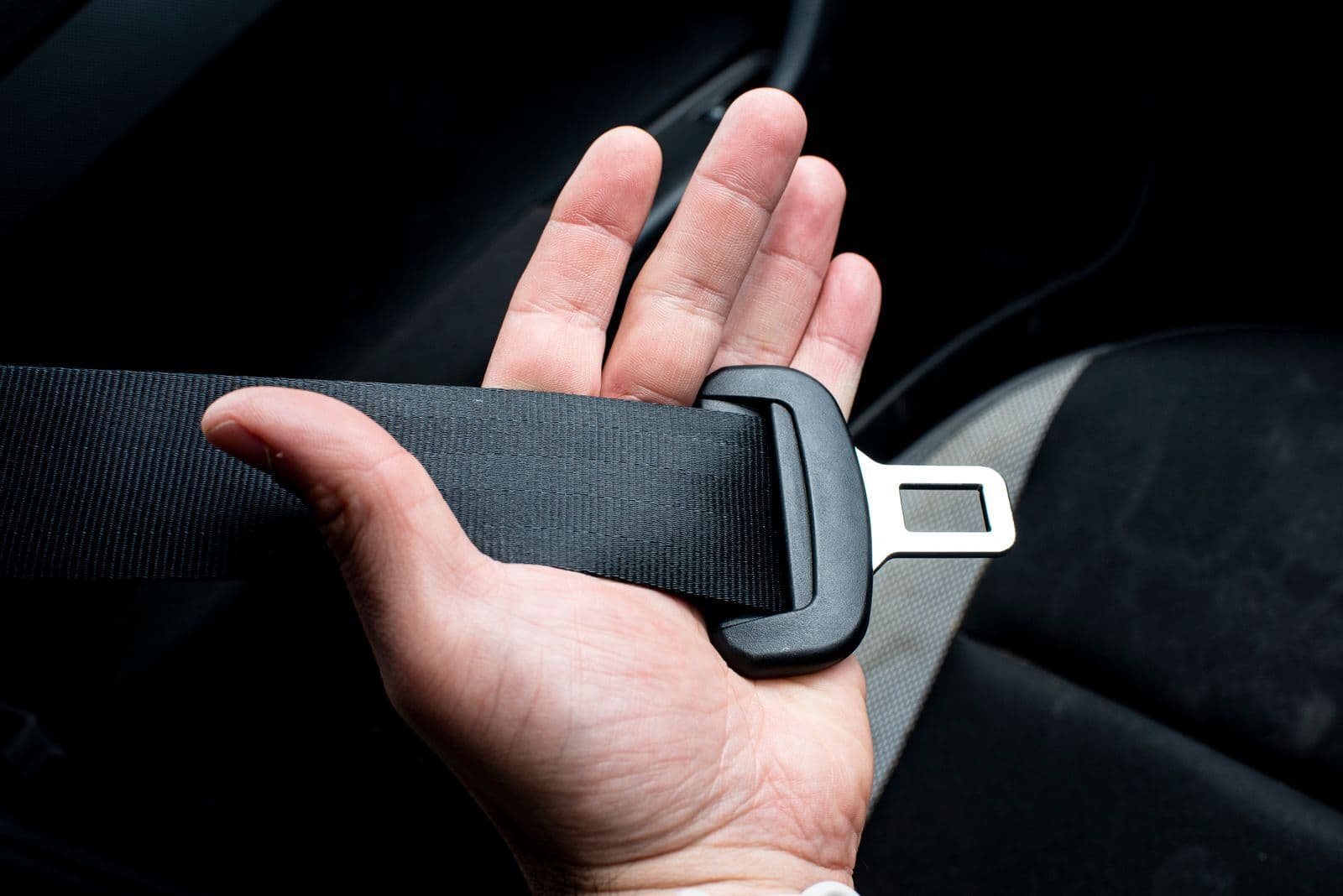
"Five-star safety" is the most quoted and least understood number in used-car advertising. Two different rating systems exist, they measure different things, and both have a date problem: a five-star car tested fifteen years ago would struggle to score three stars against today's standard. Knowing which rating you're looking at — and when it was awarded — turns a marketing badge into usable information.
Always ask "five stars from WHICH year?" The protocols tighten every few years, so ratings are only comparable within their era. A dateless star is decoration.
ANCAP: crash-test scores for new cars
The Australasian New Car Assessment Program buys or obtains current-model cars and crashes them — frontal offset, side impact, pole tests, plus assessments of whiplash protection and, increasingly, the electronic driver aids that now dominate scoring. The result runs from zero to five stars, and the protocols ratchet: today's five-star requirements include autonomous emergency braking and lane-support systems that simply didn't exist when older five-star ratings were awarded.
Two consequences for used buyers:
- The rating attaches to the model as TESTED, which means a specific generation with specific equipment. Base variants sometimes lack the airbag count or AEB of the tested flagship — check that the variant matches.
- A rating expires in usefulness even when it doesn't officially lapse. A 2012 five-star car protects like a good car of 2012; expectations moved under it.
Used Car Safety Ratings: the statistics-based cousin
UCSRs take the opposite approach: instead of crashing new cars, they analyse real-world crash records from Australia and New Zealand — how often occupants were killed or seriously injured in that actual model in actual accidents — combining it with crash-test data where available. This measures what happened rather than what a laboratory predicted, which makes it uniquely useful for cars too old to have ever been ANCAP-tested, and it covers hundreds of used-market models. The trade-off: statistical ratings lag, need large samples, and can't distinguish between a safe design and careful owners quite as cleanly as a controlled test.
How to actually use both when buying
- Look up the specific car before inspecting: ANCAP's site publishes ratings by model and year range; UCSR tables are published annually by the Monash University Accident Research Centre consortium. Ten minutes of homework beats any badge on the listing.
- Prefer newer-protocol ratings within your budget tier. Between two similar cars, the one rated under the later (harder) protocol is the safer buy at equal stars.
- Check the variant. Airbag counts, curtain protection and AEB varied by trim more in the past than buyers assume.
- Don't pay twice for the same safety. Past roughly the mid-2010s, most mainstream five-star cars deliver similar core protection; condition, tyres and history matter more at the margin than chasing the newest protocol.
- Remember the parts that ratings can't see — our inspection checklist (opens in a new tab) covers the structural evidence (uneven panel gaps, paint mismatch) that hints at past crash repairs, which no star rating survives.
What this means if you're selling on MotorLoop
If your car carries a recent five-star rating, say which year's protocol and link nothing less specific — informed buyers filter for exactly this. It costs nothing to list (opens in a new tab) and answers the question every family buyer asks first.