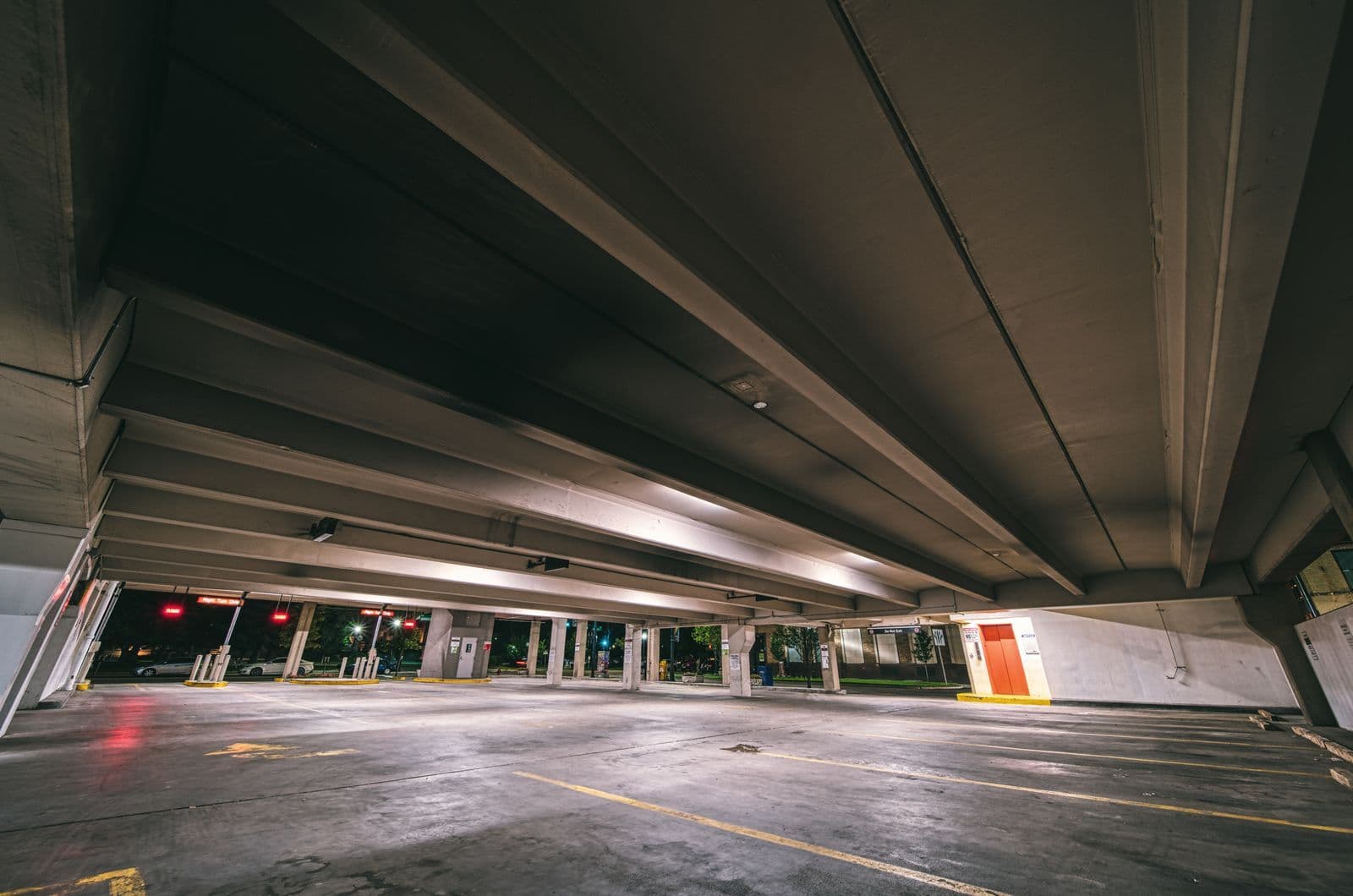
Car theft in Australia is rising again after years of decline. The Australian Bureau of Statistics counted 65,603 victims of motor vehicle theft in 2025, up 8% on 2024 — roughly one vehicle every eight minutes — and Victoria is driving most of that increase while Queensland's theft claims fell sharply (ABS Recorded Crime Victims (opens in a new tab); NMVTRC Theft Watch summary (opens in a new tab)).
The methods have changed as much as the numbers. Hot-wiring is largely history; today's thief is more likely to plug a key-programming device into a diagnostic port, relay the signal from your key fob through your front wall, or inject messages onto the car's internal network. The good news: the practical defences are cheap, and the recovery process works far better when you act fast.
If you remember one thing: report a suspected theft to police immediately — you'll need the police report number before any insurer will process a theft claim, and the first hour is when recoveries happen.
What the national data shows
- The ABS recorded 65,603 victims of motor vehicle theft nationally in 2025, an 8% rise on the prior year. About 220,000 people also had items stolen from their vehicle, and 86% of vehicle thefts were reported to police — among the highest reporting rates of any crime type surveyed (ABS via NMVTRC Theft Watch (opens in a new tab)).
- Insurance data tells the same story from another angle. The Insurance Council of Australia reported motor theft claims rising about 11% nationally (~30,000 claims, $466m) in its September 2025 analysis, with Victoria surging while Queensland, WA, SA and NSW declined (Insurance Council of Australia (opens in a new tab)). Total motor-theft claim value had already reached over $428m in 2024, close to double what it was less than a decade earlier (ICA claims data reporting (opens in a new tab) — verify against ICA's own release).
- Australia's long-run trend still points down: motor vehicle theft has fallen by well over half since the early 2000s according to the NMVTRC's CARS data service (opens in a new tab), which has collected every police-reported theft since 1999. The recent rise is a reversal, not the norm.
Which cars get stolen
- The Holden Commodore VE/VZ has been Australia's most-stolen single model for close to two decades in NMVTRC statistics (opens in a new tab) — old, numerous, and short on modern security.
- The newer story is Toyota. Police in Victoria identified the LandCruiser, HiLux, Corolla, RAV4, Camry, 86 and Prado among models increasingly taken with electronic tools; Victorian data showed LandCruiser thefts likely involving technological methods climbing from 89 three years earlier to 846 last year (Victoria Police via WhichCar, March 2026 (opens in a new tab)).
- Work utes (HiLux, Ford Ranger, Nissan Navara) are targeted for parts and resale; older small cars are targeted for joyriding because pre-immobiliser-era security is easier to beat.
How thieves actually get in
- OBD key reprogramming. A handheld programmer plugged into the diagnostic port under the dash can clone a key fob in a minute or two once the offender has cabin access. Victoria Police estimates devices like these were used in more than 10,000 thefts in that state in a year, seizing around 800 units (WhichCar/Victoria Police (opens in a new tab)).
- Relay attacks. Two offenders amplify the signal from a keyless fob sitting inside your home, tricking the car into thinking the key is present. Amplification can work across tens of metres with hardware costing under $100.
- CAN bus injection. More sophisticated organised crews inject messages directly into a car's internal network — no key, no OBD port — and some attacks can disable tracking first. Researchers demonstrated this even against vehicles with ultra-wideband keys.
- Old-fashioned opportunity. Unlocked doors, keys left in the car, spare keys in the glovebox, and house break-ins where the car keys are the target still account for a large share of thefts, particularly outside the capitals (NMVTRC prevention guidance (opens in a new tab)).
Manufacturers are responding — Toyota has reintroduced a factory steering-wheel lock, announced hardware upgrades and a factory-approved aftermarket immobiliser, and publicly called for restrictions on theft devices (Toyota announcements reported January–March 2026 (opens in a new tab)).
Prevention: what actually helps, cheapest first
- Habits (free): lock up and close windows; take valuables and garage remotes out of sight; park off-street or in well-lit, busy areas; keep keys away from the front door and windows at home; don't store the spare key in or on the car.
- Signal blocking ($20–50): a quality Faraday pouch or box for each keyless fob defeats relay amplification. Don't use the microwave — its shielding isn't designed for fob frequencies.
- Visible deterrents ($30–250): a steering wheel lock won't stop a professional flatbed crew, but it moves your car down the list and blunts the quick joyride. An OBD port lock adds friction to reprogramming attacks.
- Secondary immobiliser ($300–800 fitted): an independent PIN-code immobiliser that stops the engine starting even with a cloned key is the single most effective aftermarket defence against electronic theft — Queensland's subsidised trial reported no immobiliser-fitted vehicle being stolen while the scheme ran (Queensland Police, Sept 2024 (opens in a new tab)).
- GPS tracker ($150 + subscription): doesn't prevent theft but turns recovery into a live-location exercise. Some insurers recognise approved trackers and immobilisers — ask before you buy.
If your car is stolen
- Confirm it hasn't been towed, moved or repossessed — check with your local council's tow hotline first.
- Report to police straight away (000 only if it's happening now; otherwise your state's Police Assistance Line). Record the incident/report number, officer name and station.
- Give police the details they need: make, model, colour, year, transmission, plate, and the 17-character VIN (it's on your registration papers).
- Ask whether CCTV covers the spot — your own cameras, neighbours', or council systems — and send footage to the case officer (RACV's step-by-step guide (opens in a new tab)).
- Notify your insurer immediately with the police report number (NRMA claims FAQ (opens in a new tab)); tell your tracker provider too.
- Change garage door codes if remotes went with the car, and let your bank know if cards were inside.
Around 80% of stolen vehicles are eventually recovered in states like Victoria — often damaged, which is exactly what comprehensive insurance exists for (Victoria Police figures (opens in a new tab)).
Insurance: the five things worth checking before you need it
- Comprehensive covers theft and damage from attempted theft; third-party property does not cover your own car at all; third-party fire & theft sits in between.
- Agreed vs market value changes what a write-off pays out. New-for-old replacement within the first year or two of manufacture is offered by some insurers (example policy wording (opens in a new tab)).
- Hire car after theft: standard hire-car benefits often end when the car is written off — check whether yours extends through the whole claim.
- Keys and personal items have their own caps; replacing locks and reprogramming remaining keys may be included.
- Finance: if the car is financed, the payout goes to the lender first — worth knowing before the call.
Buying used? Check the PPSR
A $2 search on the official Personal Property Securities Register (opens in a new tab) tells you if a vehicle is recorded as stolen, written off (statutory or repairable), or carrying money owing. Vehicle rebirthing costs Australia an estimated $77m–$256m a year according to the NMVTRC (opens in a new tab), so run the check on the VIN right before you pay — not a week earlier.
What this means if you're selling on MotorLoop
Listing photos and honest descriptions help buyers trust what they're buying — and a clear PPSR status in your ad answers the question serious buyers will ask anyway. Listing on MotorLoop is free, and buyers browsing /cars/sales/used see listings with full specs, plates and history signals up front.
Related
- State guides: NSW · VIC · QLD · WA · SA · TAS · ACT · NT (link each once published)
- /cars/guides/buying/how-to-buy-a-used-car
- /cars/guides/buying/avoiding-used-car-scams
- /sell-my-car