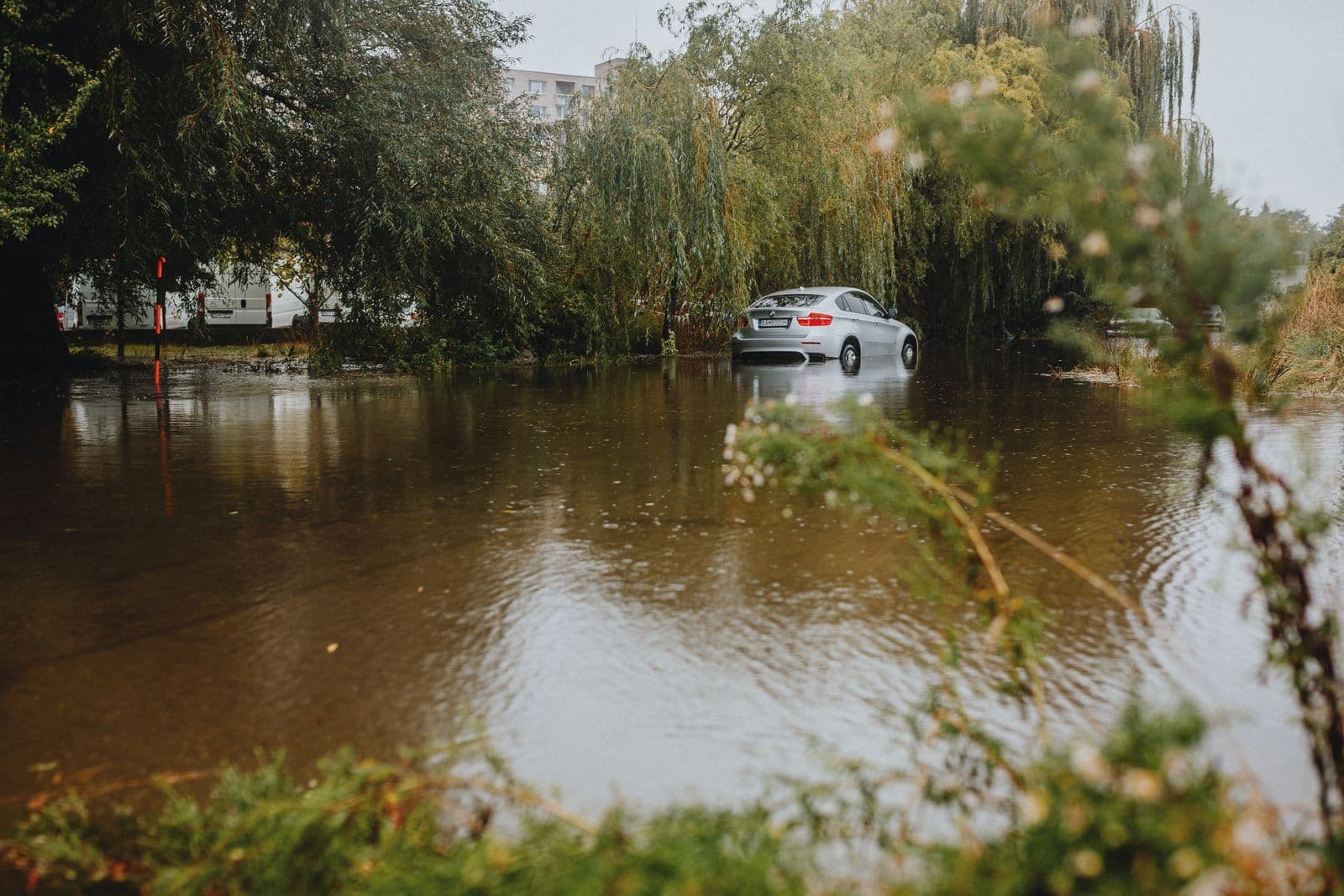
Flood damage doesn't stay where the flood was. Cars written off in one state's flood event are auctioned, trucked across the border, detailed and resold somewhere with no memory of the storm — often looking immaculate, because a pressure wash and an air freshener is exactly how a flood car is disguised. The electronics are what kill these cars later: corrosion works through connectors for years after the carpets have dried.
A car that spent days in water can look perfect on a sunny Saturday. Inspect for history, not for damp — by the time you can smell it, you're already looking at the cheap ones.
Why it matters more than a mechanical fault
A blown gearbox is a known cost. Flood damage is unknown cost with a long fuse: intermittent sensor faults, corroded airbag circuits, electrical gremlins that no one can trace, and mould deep in the foam under the trim. Insurers write flood cars off precisely because the repair means stripping the interior and replacing wiring looms — which tells you what the discount at purchase is really paying for.
The ten-minute inspection
Work top to bottom, and trust patterns over any single clue:
- Under the boot floor and spare-wheel well — lift the carpet. Rust, mud lines or silt in the well of a "country car" is the classic tell.
- Seat mounting bolts and seat rails — untouched factory bolts stay clean; flooded cars often show rust halos or disturbed marks where trim was removed to dry.
- Under the dash — a torch into the driver's footwell: mud in the seams, waterlines on the steering column shroud, fogged-up instrument lenses.
- Airbox and filter — pull the cabin filter. Silt or a tide line inside the housing means water reached the ventilation system.
- Wiring connectors — look under seats and dash for green-white corrosion bloom on plug pins.
- The smell test, last. Mustiness confirms suspicion; it never disproves anything.
One strong pattern beats five weak ones. Clean cars have clean wells, clean rails and clean filters all at once.
What the paperwork will and won't save you from
A $2 PPSR search (opens in a new tab) draws on the national written-off vehicle register, so a car that was assessed and written off after a declared flood event should show written-off status — that's your single most powerful check, and it takes two minutes. But it only catches cars that entered the system: uninsured vehicles damaged in floods may never be assessed, minor water ingress never triggers an assessment at all, and interstate re-registration rules for repairable write-offs vary, which is exactly the gap cross-border sellers work through.
So run the search AND the inspection. If both come back clean but the price looks too good against what similar cars sell for (opens in a new tab), ask why until the answer makes sense — unexplained bargains are the common thread in every scam our buyer's guide covers.
If you're buying in a flood-affected region right now
After a declared flood event, assume every local used car under a certain price is suspect until inspected, including ones sold as drivable. A pre-purchase inspection by an independent mechanic costs less than a single flooded-car electrical repair, and inspectors see the regional history everyone else is guessing at. Our used car inspection checklist gives you the full walk-around; add the flood points above to it whenever water has been near the car's past.
What this means if you're selling on MotorLoop
If your car has a clean history and you're selling in a region buyers are nervous about, say so plainly — list the PPSR status, photograph the boot well and seat rails, and mention the inspection report. Sellers who pre-answer the flood question get the calls. Listing is free (opens in a new tab), and transparency photographs better than any detail.