Queensland sits between the two mainland extremes of Australian car insurance. Like Victoria, your compulsory third party (CTP) insurance is collected with your registration — there's no separate green slip to buy. But like New South Wales, the scheme is run by competing private insurers, and the registration form lets you nominate which one carries your CTP. Most Queenslanders have never touched that box. Here's what it does, what the scheme covers, and why the optional half of car insurance matters more in Queensland than almost anywhere else.
CTP covers injuries to people. In the state of floods and summer hail, the cover that protects the car — and the flood clause inside it — deserves a closer read than the premium.
CTP with your rego — but with a choice
Queensland's scheme is regulated by the Motor Accident Insurance Commission (MAIC) (opens in a new tab), which licenses a small panel of private insurers, monitors their conduct and sets the premium band each quarter. The premium is collected with registration; the insurer named on your registration is the one that responds if someone injured in a crash involving your vehicle makes a claim. You can nominate a different licensed insurer on your renewal — MAIC publishes the current insurers and prices — though in practice prices within a vehicle class sit close together because of the regulated band.
The scheme itself is primarily fault-based: an injured person claims against the CTP insurer of the at-fault vehicle. Since 2016 it's been backstopped by the National Injury Insurance Scheme Queensland (NIISQ), which funds lifetime treatment, care and support for people who suffer eligible serious injuries — such as spinal cord or severe brain injuries — in Queensland motor accidents regardless of fault. Together, the two schemes mean catastrophic injuries are covered even in single-vehicle crashes, while lesser injuries still turn on establishing fault.
The optional half: property cover in a state of weather
CTP pays nothing for damage to vehicles or property, so the familiar ladder applies — third party property damage, third party fire and theft, comprehensive (Moneysmart's guide (opens in a new tab) explains the differences well). Queensland adds two considerations that southern buyers underweight:
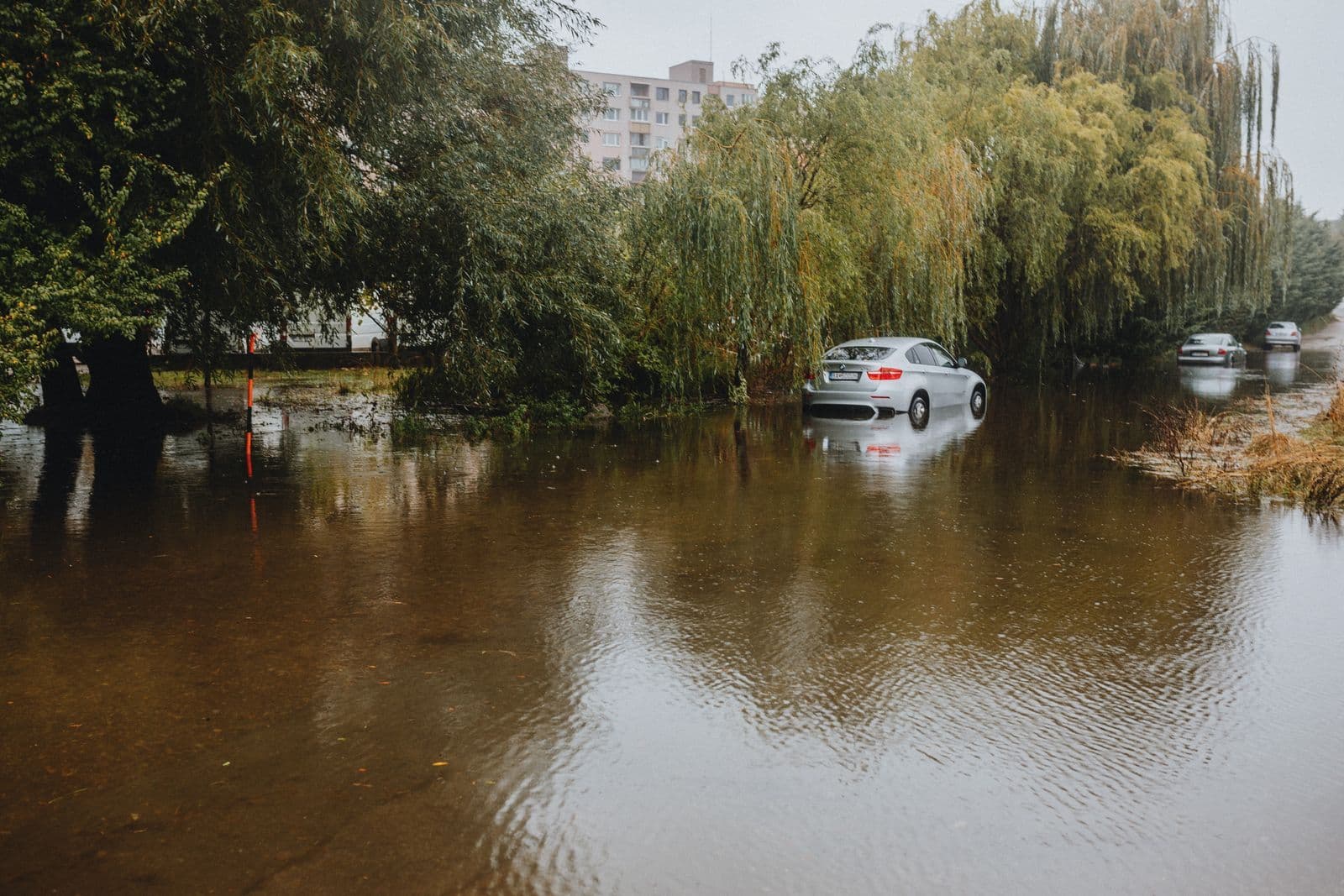
- Flood. Queensland's flood record — from the 2011 Brisbane floods to the 2022 south-east floods, which wrote off tens of thousands of vehicles across the region — makes the flood clause the most important paragraph in a Queensland comprehensive PDS. Most current mainstream policies include flood cover; some budget products carve it out or cap it. Check, don't assume.
- Hail. South-east Queensland's spring storm season regularly produces hail events that total more cars in an afternoon than a year of collisions. Where the car sleeps (garage versus street) moves both risk and premium.
Flood history cuts the other way when buying: previously flooded cars re-enter the market looking clean. A PPSR check shows recorded write-offs, and our guide to spotting a flood-damaged car (opens in a new tab) covers what the register misses.
What shapes a Queensland premium
Beyond the universal factors — driver age and record, suburb, excess, agreed or market value — Queensland pricing leans on weather exposure and theft patterns. North Queensland addresses can see meaningful loadings for cyclone and storm exposure, and Townsville and parts of Brisbane's outer suburbs have featured prominently in recent theft statistics. National motor premiums rose at double-digit annual rates at the 2023–24 peak before easing; re-quoting at renewal remains the most reliable counter.
Buying or selling a car in Queensland
Registration, and the CTP insurance inside it, stays with a Queensland vehicle when it's sold — the buyer transfers the registration into their name within 14 days. Insurance-wise:
- Buyers: the transferred rego means CTP is in place from day one, but no property cover of any kind travels with the car. Arrange your own policy before the drive home.
- Sellers: lodge the transfer promptly and cancel or transfer your comprehensive policy; unused premium is generally refundable.
- Queensland abolished the requirement for a safety certificate before advertising was tightened over the years — the current rules for what a private seller must provide are on the Queensland Government's selling pages (opens in a new tab); check them rather than folklore.
What this means if you're selling on MotorLoop
Queensland buyers ask two questions early: how long is the rego, and has it ever been flooded. Answer both in your listing — a PPSR check result and honest history reads as confidence, and it's free to list. Upgrading? Browse used cars across every state.
Related
- Buying or selling a car in Queensland: the complete checklist (opens in a new tab)
- Car theft in Queensland: trends, hotspots and how to protect your car (opens in a new tab)
- How to spot a flood-damaged car before you buy it (opens in a new tab)
- Car insurance around the world: how other countries cover their drivers (opens in a new tab)
- Car insurance in Australia: FAQs (opens in a new tab)
FAQs
Do I need to buy CTP separately in Queensland?
No — it's collected with your vehicle registration. What Queensland adds is a choice: your renewal lets you nominate which licensed CTP insurer covers the vehicle, and MAIC publishes the current insurers and their prices each quarter.
Is Queensland CTP no-fault?
Mostly not. Ordinary injury claims are made against the CTP insurer of the at-fault vehicle. The exception is serious, eligible injuries — such as severe brain or spinal injuries — which the NIISQ scheme covers with lifetime treatment and care regardless of who was at fault.
Does comprehensive insurance in Queensland cover floods?
Most current mainstream comprehensive policies include flood cover, but some budget policies exclude or limit it. Given Queensland's flood record, read the flood wording in the PDS before choosing a policy on price.