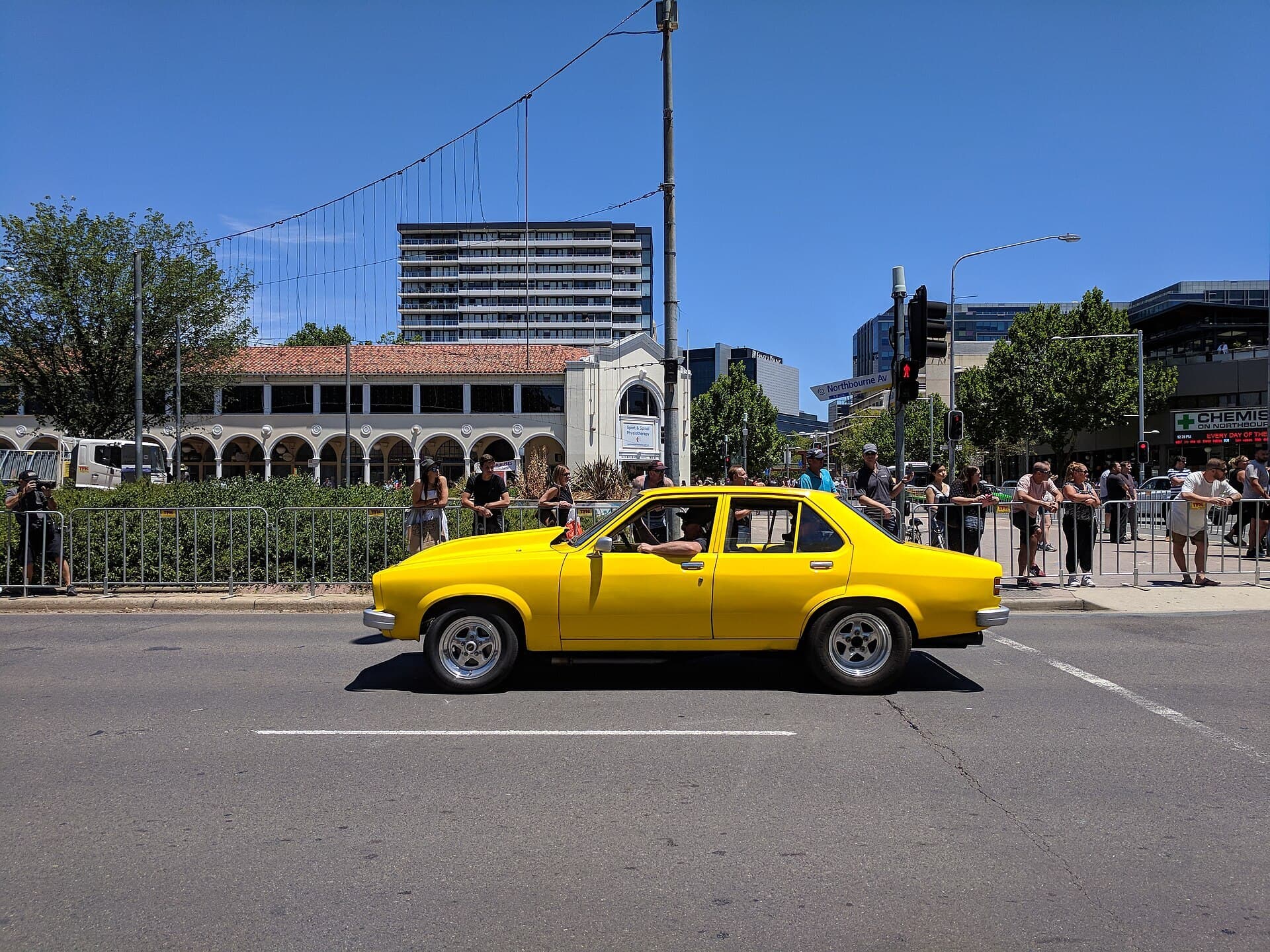
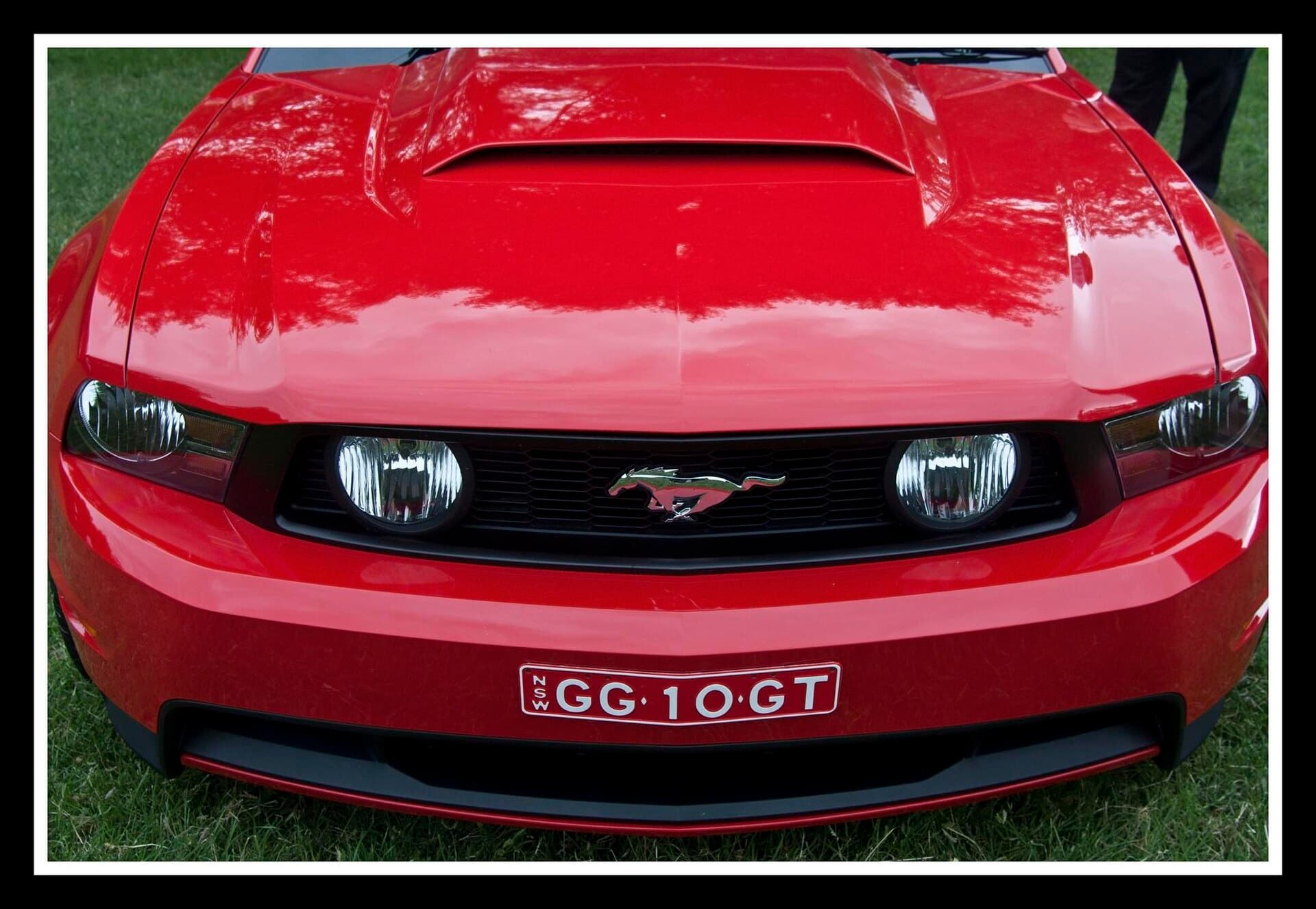
Every few years someone declares Australian car culture dead: killed by the end of local manufacturing, by the ute becoming a family car, by kids who would rather have a phone than a licence. We think they are looking in the wrong place. Go to a showground on a Sunday morning, or a café car park at dawn, and it is alive and loud and friendly. The way in is a club.
A club for every obsession
Whatever you love, somebody has already started a club for it. The Australian Historic Motoring Federation alone says it represents more than 1,000 historic motoring clubs and close to 100,000 enthusiasts across the country, and that is only the historic end of the hobby.
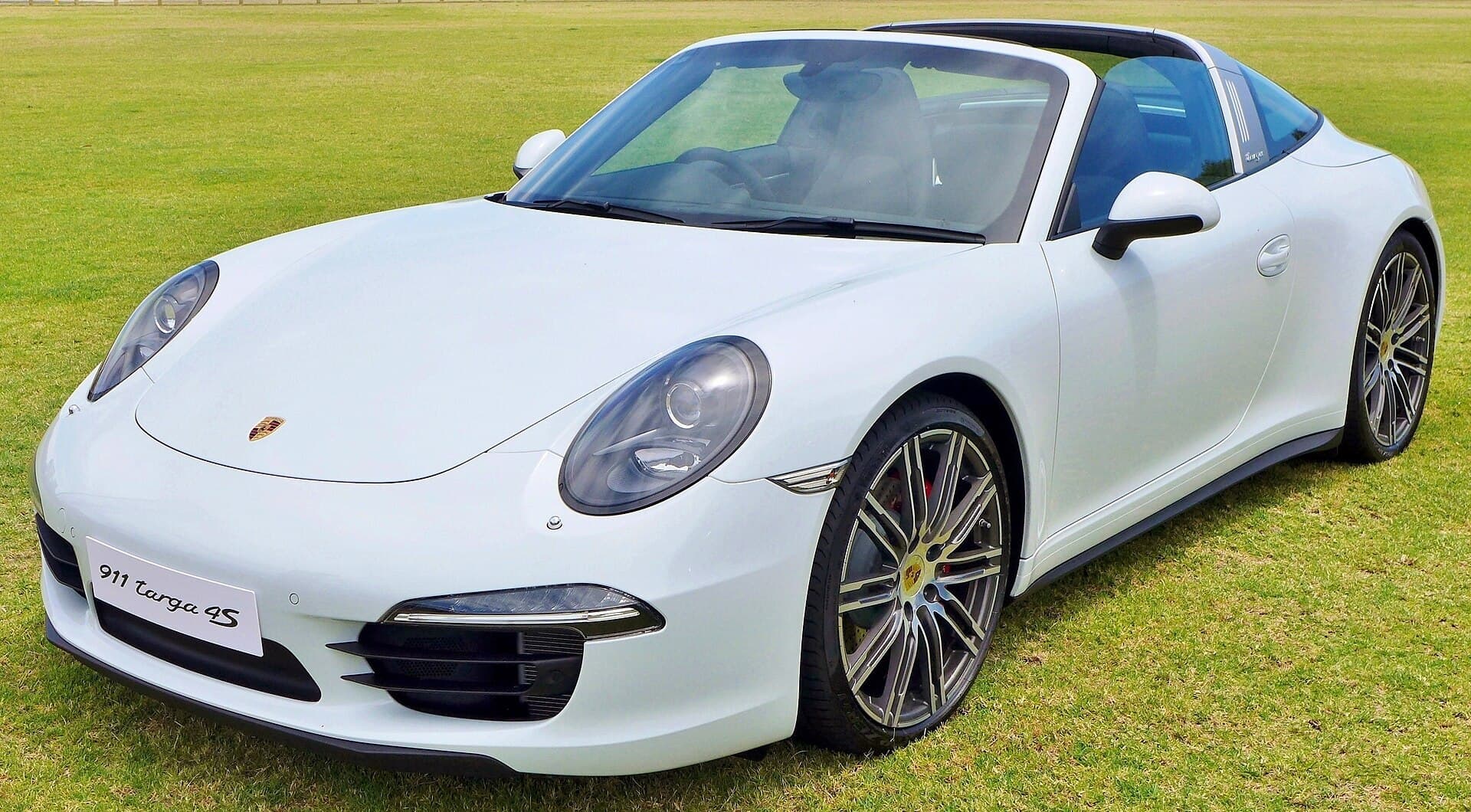
Some of the big marque clubs have been running for half a century. The Porsche Club of Victoria held its first meeting with 40 members in August 1975 and now has more than 2,200; Porsche describes it as the largest Porsche club in the southern hemisphere, running rural drives of more than 150 cars. The Mustang Owners Club's Victorian branch formed in May 1974, with branches following in South Australia, New South Wales, Western Australia and Queensland by 1980.
New people, same passion
The best thing a club gives you is not the car. It is the people. You turn up knowing nobody, and within an hour someone is showing you their engine bay and asking about yours. Nobody cares what you do for a living. They care what you drive, and whether you will be at the next run.
That matters more than it sounds. The Australian Loneliness Report, by Swinburne University and the Australian Psychological Society, found that one in four Australians feel lonely. A club is a standing invitation to be somewhere, with people who want you there, on a regular day of the month.
Somewhere the family does not have to come
Let us be honest about the other reason. Not everyone at home wants to spend Sunday looking at carburettors, and that is fine. A club gives you somewhere to go, with a date in the calendar, where the thing you love is the whole point. You come home happier, and nobody had to be dragged along.
And if they do want to come, most clubs are family affairs: picnic runs, show-and-shine days, a sausage sizzle in the park.
Cheaper than a holiday
Here is the part that surprises people. Driving your car, every day or every weekend, gives you the same lift as a holiday for a fraction of the cost. A good drive clears your head the way a trip away does.
Compare the numbers. In 2024 Australians took 115 million domestic overnight trips and spent $110.3 billion on them, close to $960 a trip on average. A Sunday club run costs a tank of fuel and a coffee, and you can do it every week.
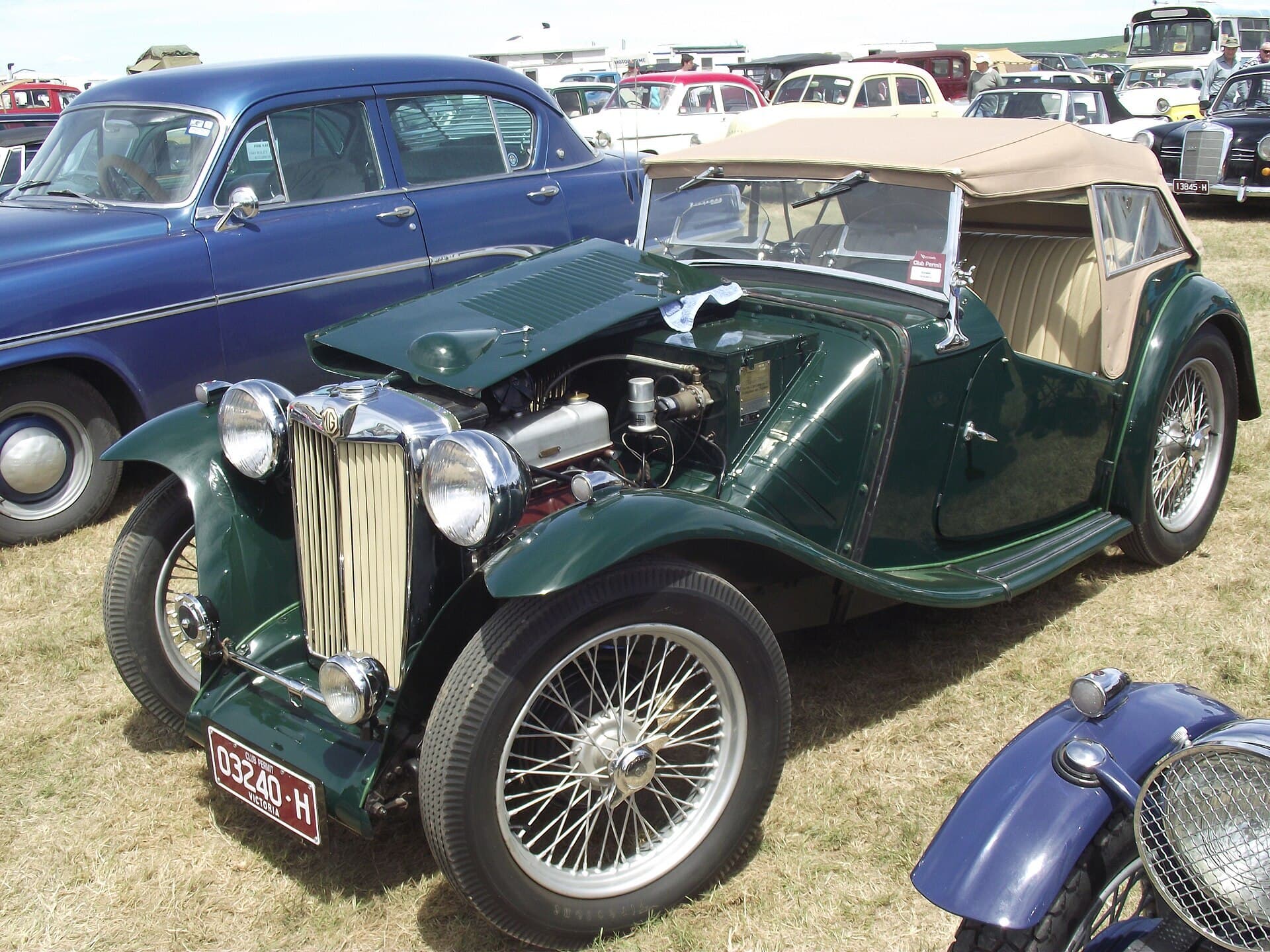
For older cars, club membership can also make the car itself cheaper to keep on the road. Most states run concessional "club plate" schemes for historic vehicles, tied to membership of an approved club. In Victoria, for example, you choose a 45-day or 90-day club permit and log each day's use; in New South Wales the historic scheme is for vehicles 30 years or older. The rules differ by state, so check with your club and your registration authority before you rely on them.
Start with the car you have, or the car you want. Search for the marque plus "owners club" and your state, go along to one meeting as a guest, and ask what the next run is. Most clubs are glad to see a new face, with or without a car.
Get out there
Car culture is not dying in Australia. It has moved from the main street to the club calendar, and the door is open. Find a club, turn up, and drive.
Header photo: Nick-D, CC BY-SA 3.0, via Wikimedia Commons.
Related reading
- Club plates and concession registration: drive your classic for less
Club plates and concessional registration let you run a classic at a fraction of full-rego cost. How each state's scheme works — ages, logbooks, day limits and who qualifies.
- How to buy a used car in Australia
A step-by-step guide to buying a used car in Australia — setting a budget, searching smart, running a PPSR check, inspecting and test-driving, negotiating, and transferring the rego.
- Used car inspection checklist: what to look for
What to check when inspecting a used car in Australia — body and panels, engine, interior and electronics, tyres and brakes, the test drive and the paperwork — plus the red flags that mean walk away.