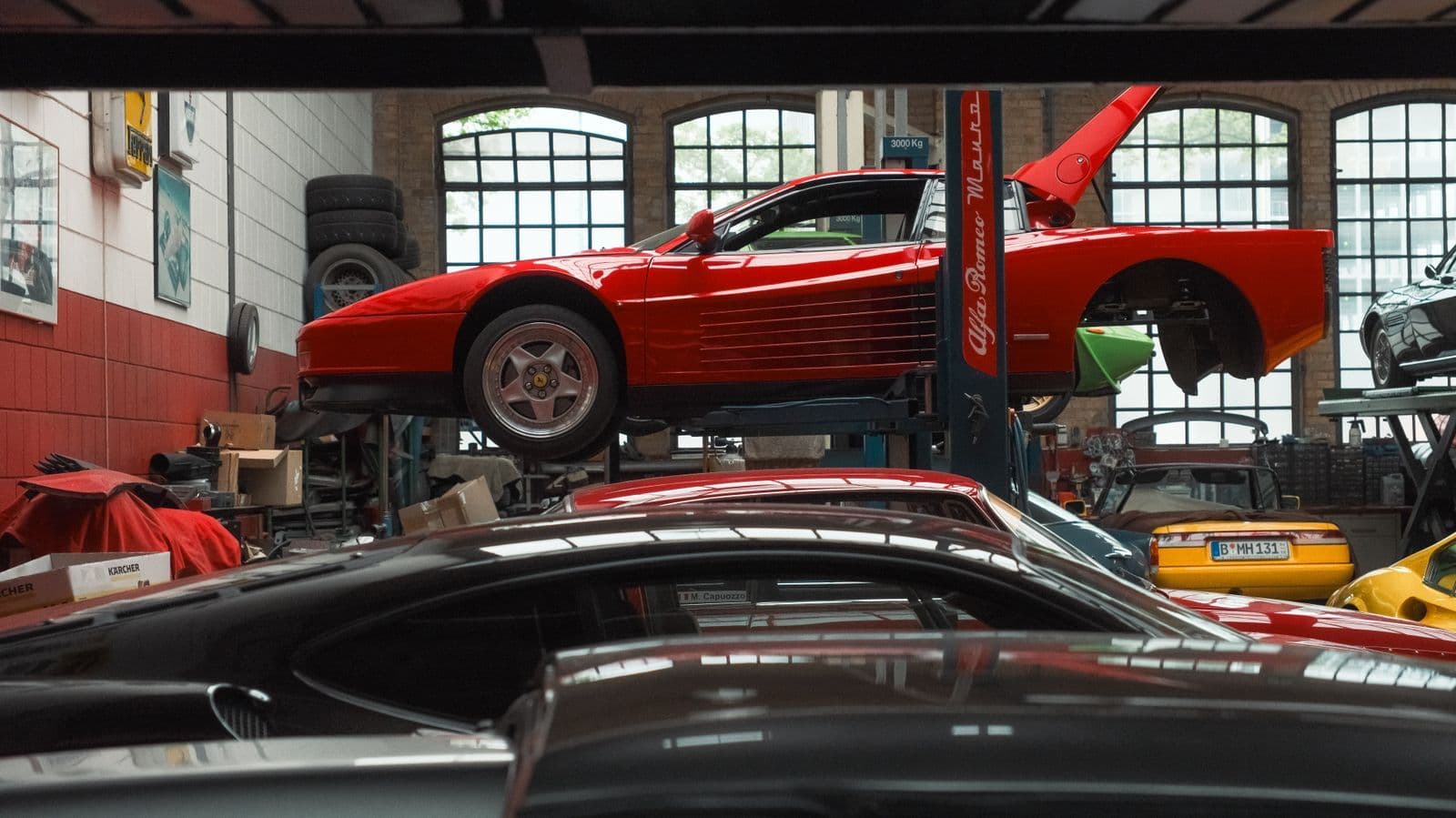
The first exotic is rarely the poster car. It's the depreciated one — the car that cost somebody else a fortune new and has since shed enough value to land within reach of a determined enthusiast. That's the realistic path into this world, and it's a genuinely good one: the car keeps its drama long after the market stops pricing it as cutting-edge. But buying at the affordable end of the exotic market is a different sport from buying a Corolla, and the mistakes cluster in predictable places. Here's the honest playbook.
With exotics, you're not buying a car — you're buying its history file. The thickness of the folder matters more than the number on the odometer.
Where first exotics actually come from
Three pools supply most first-time owners. Depreciated modern exotics — the entry and mid-tier cars of one or two generations ago, which fell hard precisely because running-cost fear scares off ordinary buyers. Older prestige sports cars — earlier Porsche 911 generations being the canonical example, blending exotic experience with comparatively sane upkeep. Japanese performance royalty — cars that deliver supercar theatre through engineering rather than badge, a path this series explores properly later. Which pool suits you comes down to one question: how much unscheduled workshop time can your budget and temperament absorb?
The inspection is the purchase
Everything else on this list is secondary to one rule: a pre-purchase inspection by a marque specialist — not a general mechanic, and not the workshop the seller suggests. Specialists know each model's expensive habits (which years had the gearbox issue, what a genuine service stamp looks like, what that noise costs) and their inspection reports routinely pay for themselves many times over, either in walking away or in negotiation. Combine it with the boring universals: a PPSR check (opens in a new tab) for write-offs and money owing, VIN-to-papers matching, and the standard discipline in our used-car buying guide (opens in a new tab).
Service history deserves its own sentence: on exotics, gaps aren't just discounts — they're forecasts. A missing major service on a car whose majors run to thousands of dollars is a bill you're inheriting, and the market prices cars with complete books accordingly.
Where to buy: private, dealer, auction
Private sales offer the best prices and the widest choice, and marketplace listings let you judge an owner by how they present the car — detailed, documented listings correlate with cared-for cars. Prestige dealers add margin but sometimes warranty. Auctions can throw up bargains and can also be where hard-to-sell problems go to find optimists; if you're tempted, read our guide to buying at auction (opens in a new tab) first, because consumer protections thin out dramatically through the auction gate.
Money, honestly
Finance on older exotics works differently — some lenders cap vehicle age or won't secure loans against modified or rare cars, so arrange pre-approval (opens in a new tab) before falling in love. Budget the on-road stack too: stamp duty scales with price and differs by state (our stamp duty FAQ (opens in a new tab) has the detail), insurance may need a specialist insurer, and the first year of an exotic typically includes a catch-up service as the new-owner tax. The folk rule that the purchase price is half the first-year cost is exaggerated — but it's exaggerated from something real.
The temperament test
The best first-exotic buyers go in expecting imperfection: these are low-volume cars, often a decade or more old, and something will need attention in year one. If a surprise four-figure invoice would sour the whole experience, a newer, warrantied fast car may fit better than an older exotic — there's no wrong answer, only a wrong match. The owners who thrive treat the workshop relationship as part of the hobby.
What this means if you're buying or selling on MotorLoop
Buyers in this market read listings forensically — so sellers, photograph the service books, name the specialist who maintains the car, and state what's just been done. Buyers, set up a saved search and let the right car come to you: browse used cars, and when you land the keeper that isn't for sale, a free showcase listing (opens in a new tab) is where it can live online.
Related
- Supercar, hypercar, exotic: what the labels actually mean (opens in a new tab)
- How to buy a used car (opens in a new tab)
- Buying a car at auction: what you're really signing up for (opens in a new tab)
- Used-car finance explained: pre-approval, secured loans and the balloon trap (opens in a new tab)
FAQs
What's a sensible first exotic car?
The one whose running costs you've researched and accepted before buying — usually a depreciated modern exotic, an earlier 911-type prestige sports car, or Japanese performance royalty. The purchase price matters less than the match between the car's maintenance profile and your budget's tolerance for surprises.
Do I really need a specialist pre-purchase inspection?
It's the highest-value dollar you'll spend in the whole transaction. Marque specialists know each model's expensive habits and can price the car's true condition; their reports routinely save buyers multiples of the fee through walk-aways or negotiation. A general roadworthy-style check doesn't reach that depth.
Is it cheaper to buy an exotic at auction?
Sometimes — and sometimes an auction is where a problem car goes to find an optimist. Auction purchases typically carry thinner consumer protections, limited inspection access and buyer's premiums, so the discount needs to be real. If you can't inspect properly, price the unknowns in or stay away.