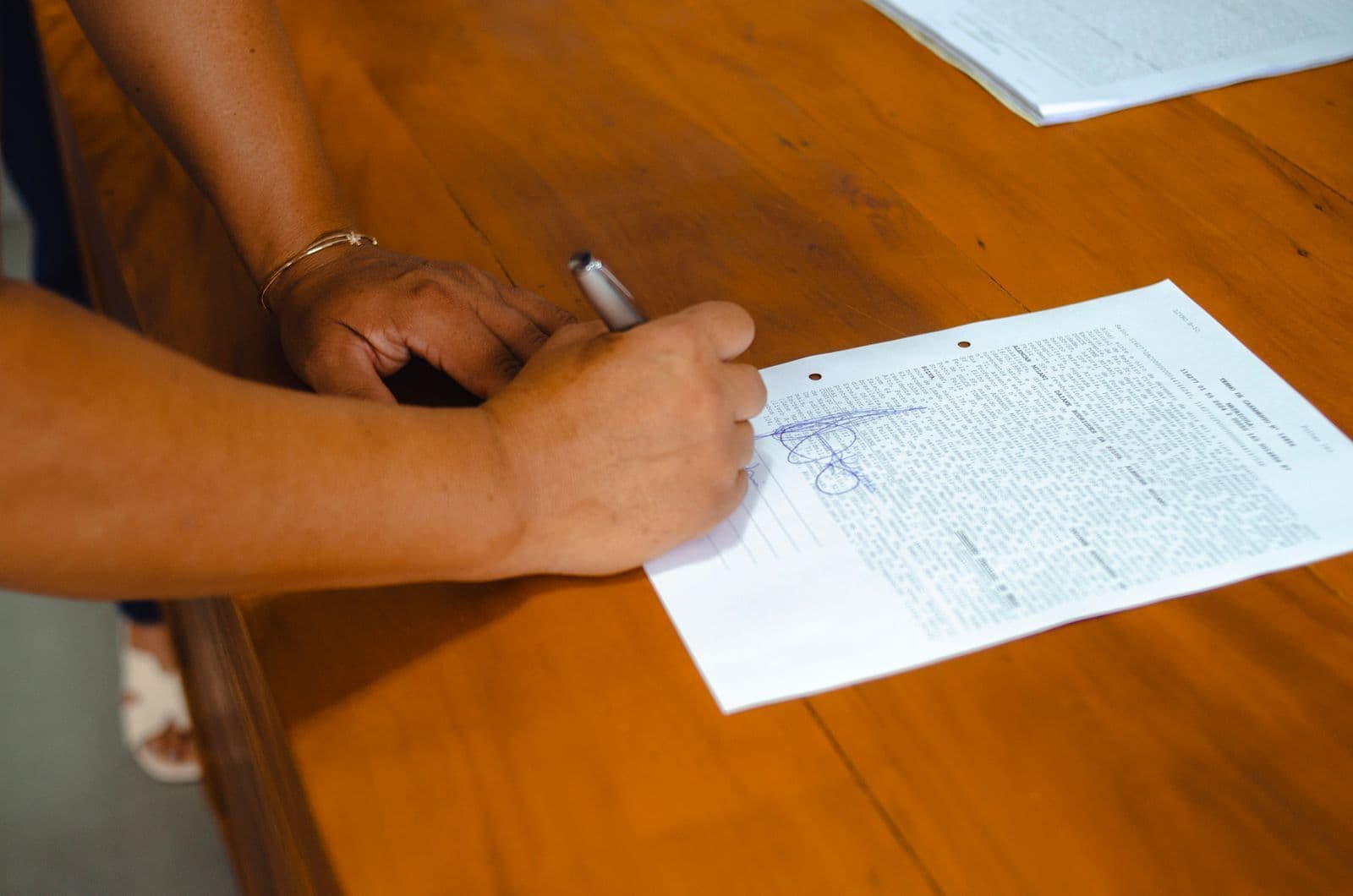
Selling or buying a car privately in Australia involves two separate jobs: telling the state road authority the car has changed hands, and moving the registration into the new owner's name. They are done by different people, at different times, and confusing the two is where most paperwork trouble starts.
This page answers the questions people ask most about that process — what to lodge, what to hand over, what to keep, and what changes depending on the state the car is registered in.
Until your notice of disposal is lodged, your state's records still show you as the registered operator. Fines, tolls and registration notices generated after handover can land on you. Lodge it the day you hand over the keys — the deadline differs by state, and there is nothing to gain by waiting.
FAQs
What is a notice of disposal and why does the seller have to lodge it?
It is the seller's notification to the state road authority that a vehicle has changed hands, naming the buyer and the date of sale. It does not transfer the registration — it records that you are no longer the registered operator. Lodging it is what separates you from fines, tolls and infringements the new owner picks up after handover. In some states a missing notice also pushes the buyer out of the quick online transfer and into a counter or a paper form, so a late notice can hold up their side too. The deadline and the lodgement method vary by state — the state-by-state guide sets out each one, and there is a fuller walkthrough in notice of disposal explained.
Who is responsible for transferring the registration?
Broadly, the seller lodges the disposal notice and the buyer applies to transfer the registration into their own name, paying whatever the state charges. That split is the general pattern, but the mechanics differ — some states let a buyer complete it online in minutes, others want a form lodged in person or by post, and the order the two steps happen in is not the same everywhere. Each side has to complete its own step, so do not assume the other party has covered you: the seller's notice did not put the car in the buyer's name, and the buyer's transfer does not by itself release the seller. How to transfer car registration walks through the buyer's side, and the state-by-state guide covers what changes where.
What documents do I need for a private car sale?
At a minimum you want photo identification for both parties, the vehicle's registration papers, and a written receipt signed by both. Depending on the state you may also need a completed transfer form and a current safety or roadworthy certificate. Buyers should also run a PPSR search (opens in a new tab) using the car's VIN, which costs a few dollars and shows whether money is owed on the car, and whether it has been recorded as stolen or written off. Sellers often run one too and show it to buyers, because it settles a common doubt before it turns into haggling. Documents to sell a car in Australia has the full checklist.
What should a private car sale receipt include?
Full name and address for both buyer and seller, the date, the price paid, and enough detail to identify the car beyond argument — make, model, year, registration number, VIN and the odometer reading at handover. Both parties sign, and both keep a copy. The odometer reading matters more than people expect: it is your record of the car's condition at the moment it left your hands, and it is the figure a later dispute is most likely to turn on. Many sellers add a line noting the car is sold as it stands, which is worth having, though it does not cover you for hiding a fault you knew about.
Do I need a roadworthy or safety certificate to sell my car?
That depends on where the car is registered, and it is a common source of confusion. Some states put the obligation on the seller to supply a current certificate before a registered vehicle changes hands, some tie the requirement to the vehicle's age, and in several a certificate is not part of an ordinary private sale between two individuals. Validity is limited too — usually measured in weeks, and in some places in kilometres driven since it was issued — so getting one months before you list can be wasted money. Check the state-by-state guide for the rule where you are, and confirm it on your road authority's own site before booking an inspection.
What happens to my number plates when I sell the car?
Standard plates normally stay on the vehicle and go to the new owner as part of the sale. Personalised or custom plates are different: unless you take them off and arrange replacement standard plates before the sale goes through, they travel with the car and become the buyer's. Most states let you put personalised plates on hold or move them to another vehicle you own, usually for a fee, but that has to be organised before handover rather than afterwards. If your plates have real value to you, deal with them first. Number plates when you sell covers the options.
What happens to my CTP and my comprehensive insurance?
They behave in opposite ways. Compulsory third party cover attaches to the vehicle's registration, so it goes to the new owner when the registration transfers, and there is generally no refund to you for the unused portion — worth factoring into your asking price. Your comprehensive or third-party property policy is yours rather than the car's; it does not follow the vehicle, and you cancel it yourself. Do not cancel comprehensive cover early: keep it running until the car has physically left and the paperwork is lodged, then contact your insurer, who will usually refund the unused part of an annual premium less a fee. Insurance and CTP when selling goes through the timing.
Who pays the transfer fee and the stamp duty?
The buyer usually pays both — a transfer fee to the road authority, and stamp duty (also called motor vehicle duty) to the state revenue office. How duty is worked out differs between states: it is generally based on what the car is worth, but the rate can also depend on the vehicle's type, its engine or its emissions, so an amount quoted for one state tells you little about another. Buyers should budget for both on top of the agreed price rather than meeting them as a surprise at the counter. Look the current figures up on your own road authority and state revenue office sites, since they are reviewed and change.
What happens if the buyer does not transfer the registration?
This is the situation the disposal notice exists for. If you lodged yours, the road authority already holds the sale date and the buyer's details, so infringements issued after that date can generally be redirected — you may still have to respond to a notice, but you have the evidence to do it with. If you did not lodge one, you remain the registered operator on paper and those notices are yours to sort out. Keep your copy of the receipt alongside your lodgement confirmation; together they establish who had the car and from when. If notices keep arriving after you have lodged and responded, contact your road authority directly rather than letting them run.
Does a private sale come with a warranty or a cooling-off period?
Generally not. Statutory used-car warranties and cooling-off periods are aimed at licensed dealers selling in trade or commerce, and most Australian Consumer Law guarantees go with them, so a car bought from an individual is largely bought as it stands. Misrepresenting the car, or interfering with an odometer, can still expose a private seller to action. For buyers the practical protection is inspecting the car and searching the PPSR by VIN before you pay rather than after — buy privately without searching and a finance company's registered interest in the car can survive the sale, which means it can be repossessed from you even though you paid the seller in full.
Where to next
- Notice of disposal explained — what it does, and what it protects you from
- How to transfer car registration — the buyer's side, step by step
- Documents to sell a car in Australia — the checklist to have ready before handover
- Number plates when you sell — keeping, transferring or surrendering your plates
- Insurance and CTP when selling — what transfers, what you cancel, and when
- Selling a car privately, state by state — the rules that differ where you live