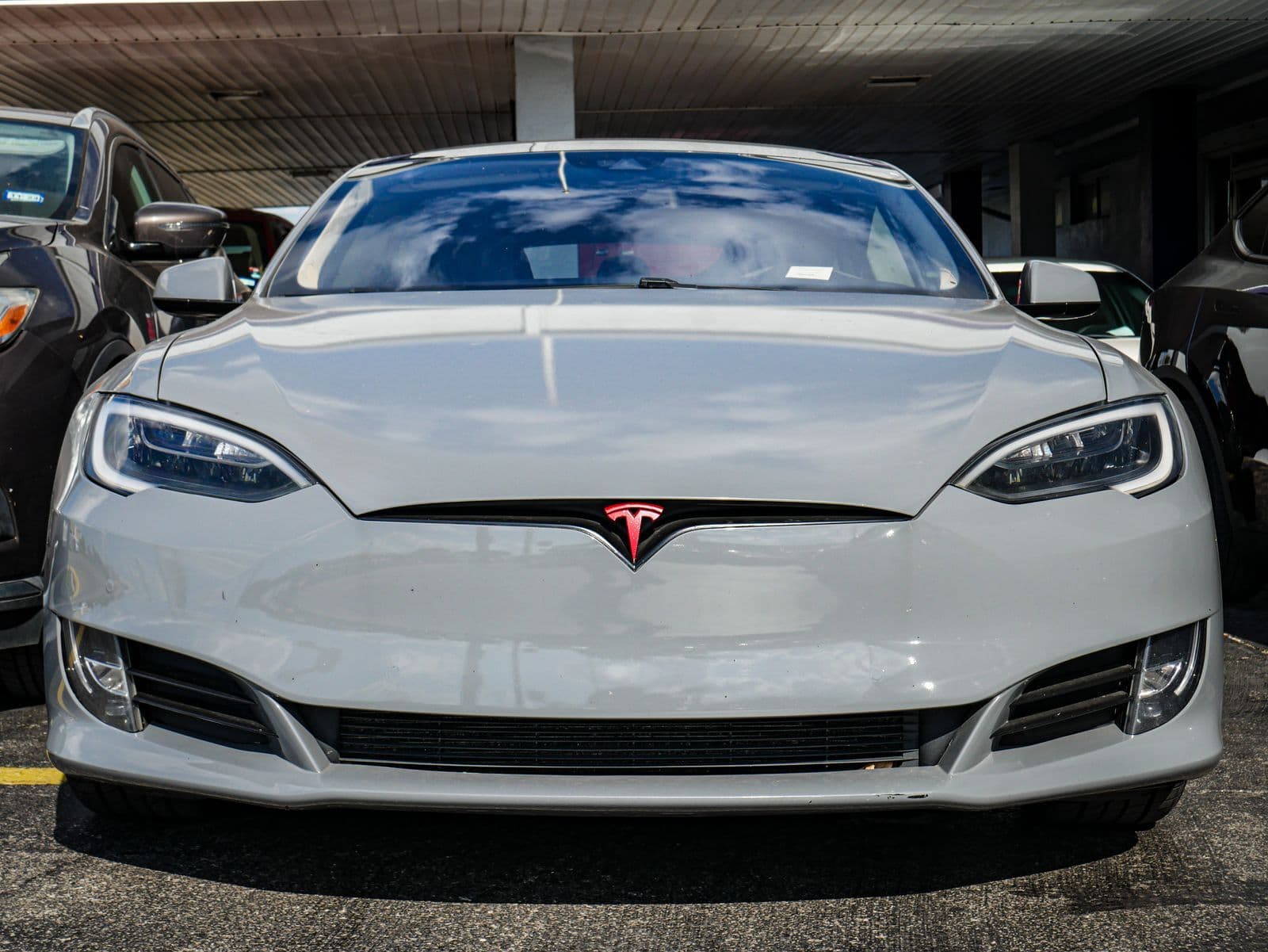
Luxury car tax decides more than whether a new car costs extra. For electric cars it also decides whether the FBT exemption applies — which is why a used EV buyer needs to understand a tax they will probably never pay directly.
Two thresholds, not one
LCT applies at 33% to the amount by which a car's value exceeds a threshold, and there are two thresholds: a higher one for fuel-efficient cars and a lower one for everything else.
LCT thresholds
- 2026-27 fuel-efficient
- $91,661
- 2026-27 other
- $80,809
- 2025-26 fuel-efficient
- $91,387
- 2025-26 other
- $80,567
- LCT rate
- 33%
Earlier years, from the same ATO table: 2024-25 was $91,387 and $80,567; 2023-24 was $89,332 and $76,950; 2022-23 was $84,916 and $71,849. The current figures are published at luxury car tax rate and thresholds (opens in a new tab).
The fuel-efficient test tightened on 1 July 2025
A "fuel-efficient car" used to mean combined fuel consumption of no more than 7.0 L/100km. The Treasury Laws Amendment (Tax Incentives and Integrity) Act 2025 (opens in a new tab) cut that to 3.5 L/100km, applying to supplies and importations of cars on or after 1 July 2025.
That is a substantial tightening. A car consuming 5 or 6 L/100km was fuel-efficient before 1 July 2025 and is not after it — which moves it onto the lower threshold and can make LCT payable at a price where it previously was not.
There is a transitional worth knowing about if you are shopping second-hand: the old 7.0 L/100km definition continues to apply where, before 1 July 2025, an entity had already supplied or imported the car and it had been used in Australia. In substance that preserves the more generous test for much of the fleet already on the road.
What counts toward the value — and what does not
This is where people misjudge whether a car is over the line.
Included in the LCT value:
- GST and any customs duty
- Dealer delivery charges
- Standard and statutory warranties
- Accessories, modifications and treatments fitted before delivery, or under an arrangement with the supplier
- Fleet rebates and incentive payments that are third-party consideration
Excluded:
- LCT itself
- Stamp duty, transfer fees and registration
- Compulsory third-party insurance
- Extended warranties, finance costs and service plans
So a "driveaway" price and an LCT value are different numbers, and they move in opposite directions from the threshold. Stripping rego, CTP and stamp duty out can bring a car under; adding options and delivery can push it over. The ATO sets this out under working out the LCT on a sale (opens in a new tab).
The formula, for completeness: (LCT value − LCT threshold) × 10 ÷ 11 × 33%.
Why a used EV buyer should care
Because of condition four of the FBT exemption. An electric car is only eligible if LCT has never been payable on it — at any sale, not just the first. The threshold that matters is the fuel-efficient one, and it is tested against the year of each sale.
That produces a rule that is easy to state and easy to get wrong: a used EV that was over the fuel-efficient threshold when it was new can never be FBT-exempt for anyone, regardless of what it is worth now. A $60,000 used EV that listed at $110,000 in 2023 is disqualified permanently.
If you cannot establish the sale history — normal in a private sale — the ATO expects you to work out whether LCT would have been payable: find the build date from the VIN, research the recommended retail price when it was new, and compare that to the threshold for the relevant year. Our FBT guide covers how that interacts with a novated lease.
Resale and the two-year rule
LCT can arise again on a resale, but only where the seller is registered (or required to be registered) for GST and the car is two years old or less. A private seller never charges LCT. If LCT was already paid on the car, LCT on the later sale is reduced by the LCT already paid, so in practice it only bites where the car has increased in value. If LCT was never paid — for example the car was first supplied to a buyer who quoted an ABN — the full amount is payable on the first taxable sale above the threshold. There is no credit or decreasing adjustment when a car two years old or less has fallen in value, which is the normal case.
For practical purposes, on a used car more than two years old the only live LCT question is whether it was payable when the car was new.
What to check before you buy
- Ask for the original build date and the price the car sold for new, not just its current value.
- Compare that price against the fuel-efficient threshold for that financial year, using the table above.
- Remember options and dealer delivery counted toward it; stamp duty, rego and CTP did not.
- If the answer decides whether a lease works for you, confirm it with your salary packaging provider or a registered tax agent before you sign anything.