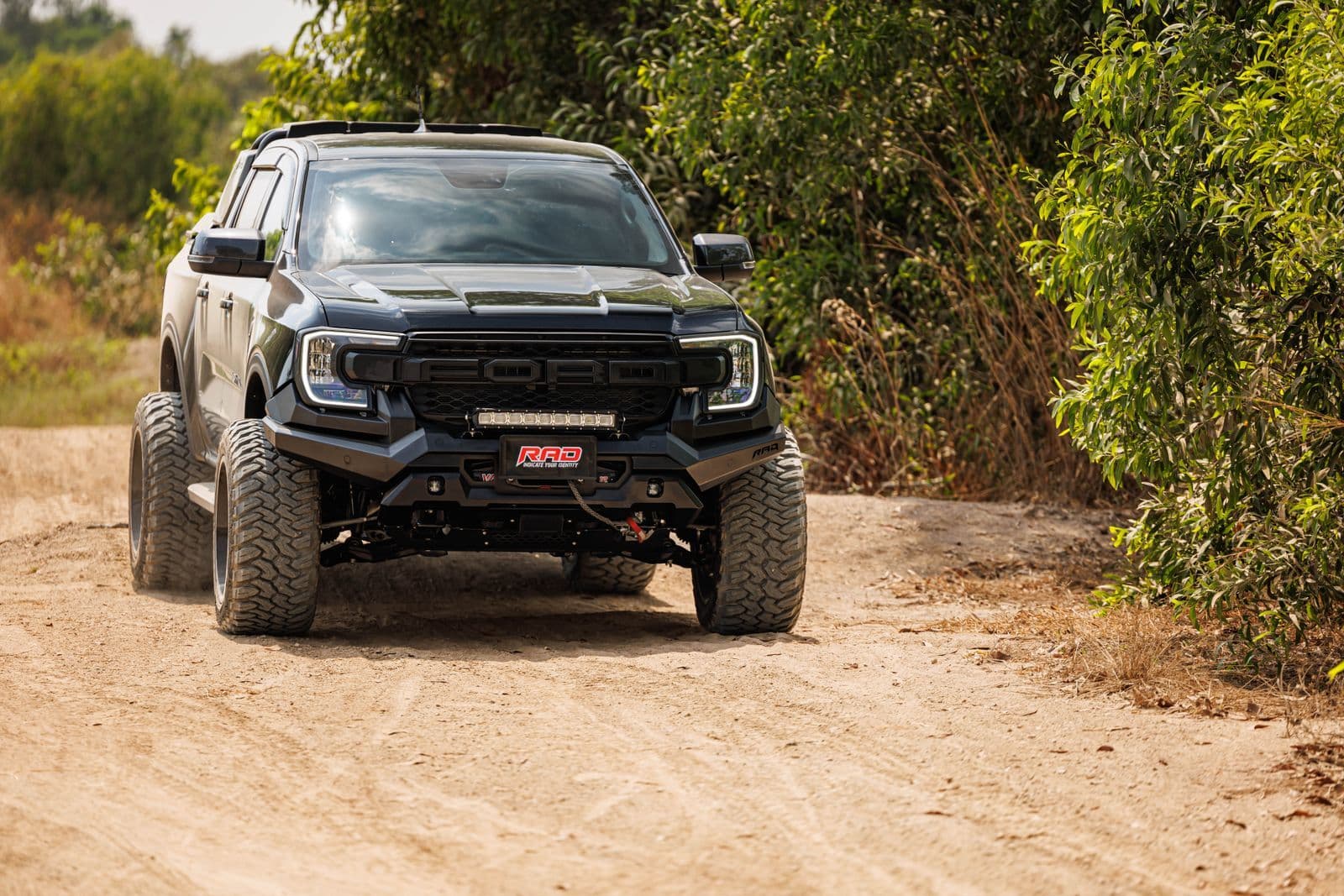
Australia loves a modified car and regulates them more tightly than most of the world. The rules are workable but unforgiving in one direction: an undeclared modification is illegal the moment it leaves your driveway, voids insurance exactly when you need it, and surfaces again at sale time as a discount or a failed inspection. The good news — done properly, with paperwork, many modifications are straightforward to make legal.
The question that decides everything: "would this modification require approval under my state's scheme?" If yes, it needs certification before it's driven on the road, not after.
The two tiers: bolt-on vs certify-me
Modifications split into two broad groups. The first changes nothing structural or safety-related: like-for-like replacement parts, wheels within the allowed diameter/offset envelope, roof racks, towbars fitted to spec. These generally need no approval at all. The second tier touches the things regulators care about — ride height, tyre size beyond limits, engine performance, exhaust noise, seating, load capacity — and requires formal sign-off: an engineer's assessment recorded against the vehicle (a "mod plate" in Queensland, similar certification schemes elsewhere), or pre-approval from the registration authority for bigger jobs like engine swaps.
The specifics differ by state, but the shape doesn't. Two rules travel everywhere:
- Height and tyres are the most common failures. Lifts beyond the permitted amount, or tyres wider/taller than the legal increment over stock, are exactly the modifications inspectors measure.
- Noise has its own law. Exhaust modifications must still meet the noise standard the car was built to; "it passed last time" is not a defence at a roadside test.
Insurance: the part people discover too late
Insurers ask about modifications for a reason — they change risk, repair cost and value. The practical consequences are consistent across insurers: undisclosed modifications can void a policy or see a claim reduced, and some modifications (performance engines, certain lifts) attract loading or refusal outright. Declare everything when you take out cover, keep receipts for certified work, and expect your premium to reflect the car you actually built rather than the one on the build plate.
Buying a modified car
A modified car isn't a problem — an undocumented one is. On inspection:
- Look for the certification: mod plates, engineer certificates, papers matching what you can see. A lifted 4WD with no height certification is your re-registration problem the day after you buy it.
- Cross-check the PPSR and write-off history as always, then add one more question: was every modification insured? A claim history involving an undeclared mod is a warning about how the car was maintained generally.
- Price the paperwork into the offer. Legalising someone else's lift means engineering fees, possibly new tyres back inside the limit, and an inspection — quote accordingly.
- Remember modifications complicate the safety systems: bigger wheels can upset speedometer accuracy and ADAS calibration, which our towing guide covers from the GVM/GCM side for those also planning to tow.
Selling one
Declare modifications in the listing — photos plus a line naming each mod and its certification status. Undisclosed mods surface at inspection, roadworthy or first insurance renewal, and they convert enthusiasm into disputes; disclosed ones simply narrow your buyer pool to the people who wanted exactly that car. Certified, tasteful modifications can hold their value with the right audience; uncertified ones subtract whatever fixing them costs.
What this means if you're selling on MotorLoop
MotorLoop listings give you room to describe the build properly — every modification named, certified where it is, photographed where it isn't hiding. That honesty is what serious buyers filter for, and listing is free (opens in a new tab). If your modified 4WD tows, say so: readers coming from our towing explainer (opens in a new tab) know exactly what GVM upgrades are worth.