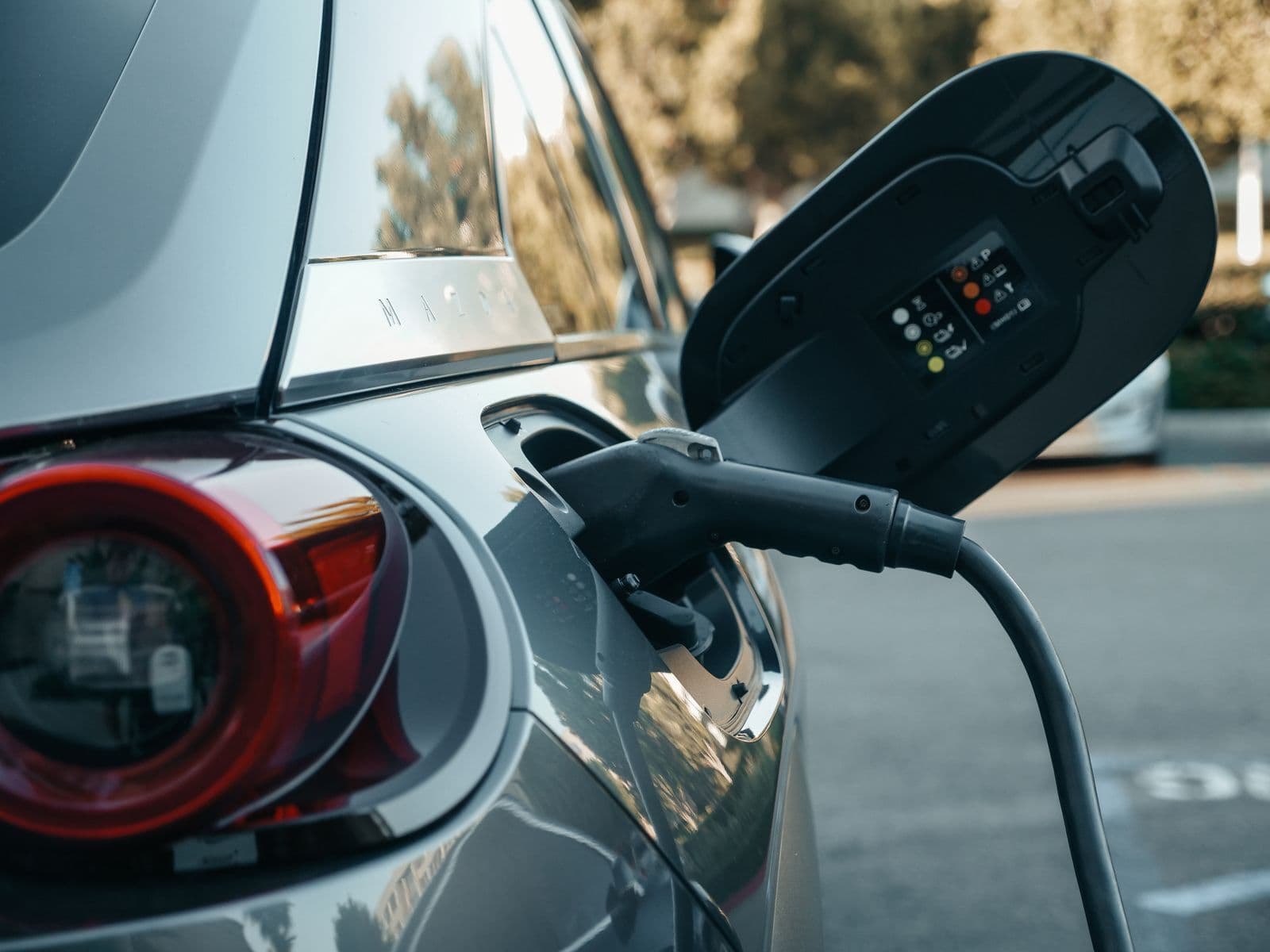
Battery anxiety is the last big objection to used EVs, and it's mostly running on decade-old data. Modern packs routinely outlive their warranty by years while losing only modest capacity — but "routinely" isn't "always", warranty fine print matters more than headline length, and a replacement remains expensive enough to price into any used-EV decision. Here is what the evidence and the paperwork actually say.
The number that decides a used EV's value isn't its age — it's its measured state of health. A five-year-old pack at 94% is worth more than a three-year-old one at 82%.
How long they actually last
Two mechanisms age a lithium-ion traction battery: cycling wear (charge-discharge cycles) and calendar ageing (time, heat, and time spent at very high or very low charge). Real-world Australian data from telematics fleets and owner communities has consistently shown average degradation of roughly 1.5–2.5% per year for modern liquid-cooled packs — slower than early models, and slower than most owners' pessimism. Heat is the enemy, which makes temperature-managed batteries (liquid cooling rather than air) the ones to prefer in Australian summers.
The practical habits are boringly consistent across manufacturers: live mostly between about 20% and 80%, save 100% charges for road trips, DC-fast-charge when needed but don't make it your routine, and park shaded where you can.
What the warranty actually promises
Nearly every EV sold here carries a battery warranty of eight years / 160,000 km (some brands differ slightly), but the headline hides the operative clause: these warranties typically guarantee a minimum state of health around 70% within the term — not zero defects alone. That means the warranty exists to catch premature degradation, which is exactly the failure mode buyers fear.
Three reading-the-fine-print points:
- The warranty usually follows the car, so a four-year-old used EV may still carry four years of battery cover — verify transferability per brand before buying.
- Capacity thresholds are proven by dealer diagnostics, so keep service history with the car; a documented SOH reading is also your best resale asset.
- Separate component warranties (the vehicle's general new-car warranty) run shorter than the battery-specific one; know which covers what.
Replacement costs: the honest range
Out-of-warranty pack replacement is genuinely expensive and genuinely variable: industry reporting has ranged from roughly $10,000–$20,000+ fitted for mainstream vehicles to multiples of that for large-pack or luxury EVs, with prices trending down as cell costs fall and third-party refurbishers emerge. Module-level repair — replacing failed sections instead of the whole pack — is increasingly available through EV-specialist workshops and can cut the bill substantially. The honest framing for a buyer: replacement is unlikely during normal ownership, possible late in ownership, and catastrophic only if ignored — which is why the next section matters more than any price list.
Reading battery health before you buy used
Never buy a used EV blind on battery:
- Ask for a recent state-of-health report from the brand's dealer or an EV specialist — most brands expose SOH via diagnostic tools, some via the car's own menus.
- Sanity-check against the odometer: heavy fast-charging history or consistently high SOH readings on high-kilometre cars both deserve questions.
- Confirm any remaining battery warranty transfers, and get the claim threshold in writing.
- Test-drive long enough to watch for sudden percentage drops, which suggest calibration issues or weak cell groups.
Our used-car inspection checklist (opens in a new tab) covers the conventional walk-around; add the battery report as step one for any electric candidate.
What this means if you're selling on MotorLoop
A current SOH printout beside your listing does for an EV what a logbook does for a petrol car — it converts the buyer's biggest unknown into a checked box. Upload it with your free listing (opens in a new tab) and quote the figure in the description.