Hydrogen is the most abundant element in the universe, its only tailpipe product is water vapour, and carmakers have been promising it as the fuel of the future for longer than most drivers have held a licence. It's also real — you can buy a hydrogen car today, and a handful of Australians have. So why are our roads filling with battery EVs instead? The answer isn't conspiracy or lack of imagination; it's a chain of unglamorous engineering and economic facts, and they're worth understanding, because hydrogen still has a future — just probably not the one on the posters.
A hydrogen car is an electric car with a different tank. The interesting question isn't the car — it's where the hydrogen comes from and how it gets to you.
Two ways to run a car on hydrogen
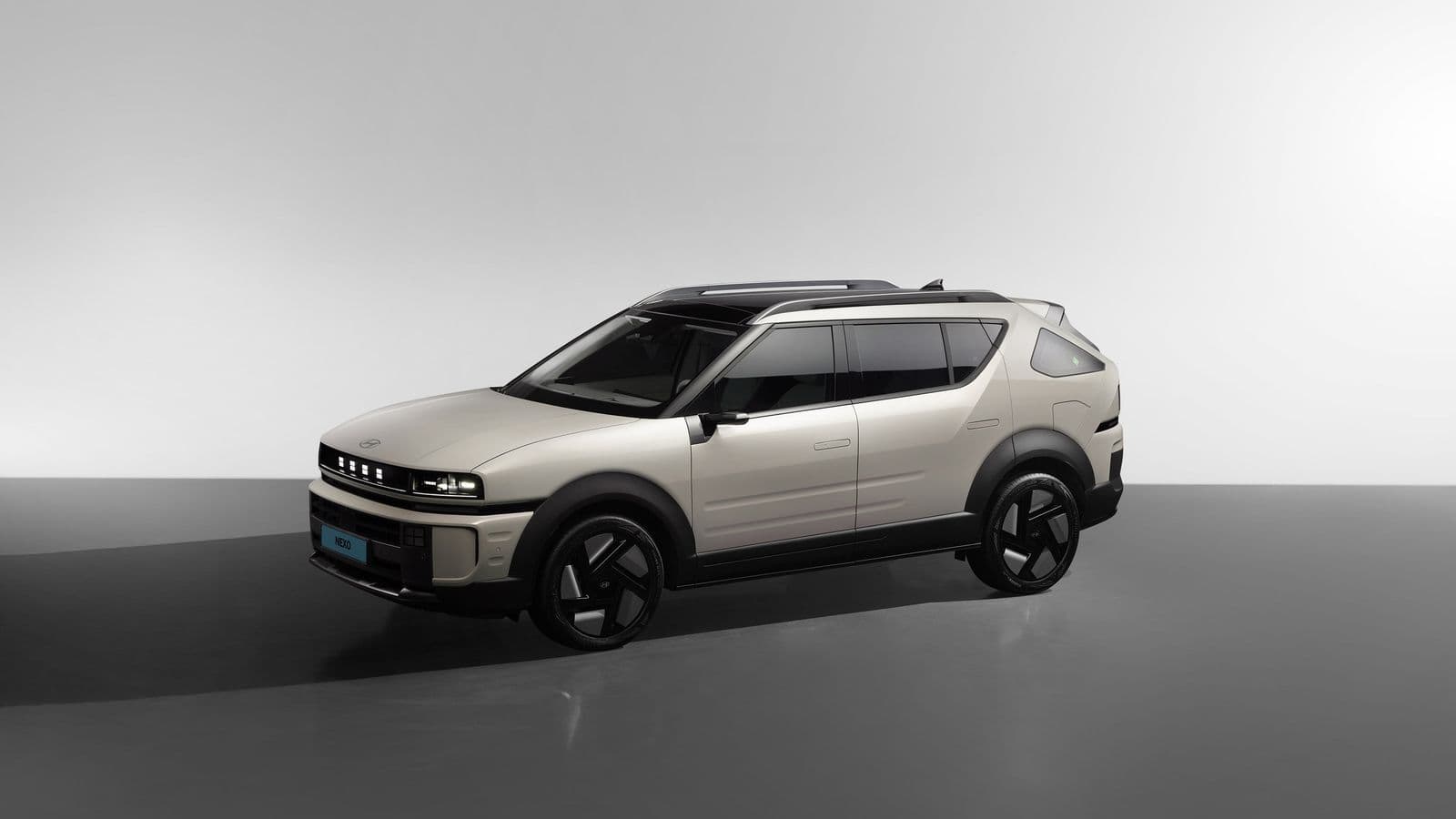
Fuel cell electric vehicles (FCEVs) are the mainstream approach: hydrogen from a high-pressure tank (typically stored at 700 bar) meets oxygen in a fuel-cell stack, producing electricity that drives a motor, with water as the by-product. The Toyota Mirai (on sale overseas since 2014) and Hyundai Nexo are the best-known examples, and both have been run in small Australian fleet trials. Driving one feels like driving any smooth, quiet EV — with three-to-five-minute refuelling and no home charging.
Hydrogen combustion burns the gas in something close to a conventional piston engine. BMW built a V12 Hydrogen 7 in the 2000s; Toyota has raced hydrogen-combustion Corollas and continues developing the idea for motorsport and heavy equipment. Combustion keeps the noise and character of an engine but throws away hydrogen's efficiency advantage and can still produce some NOx emissions — which is why nearly all serious road-car programs chose fuel cells.
The efficiency chain — hydrogen's stubborn problem
Hydrogen doesn't come out of the ground; it's an energy carrier that must be made. And the making is where the maths bites. Using renewable electricity to electrolyse water, compress the gas, truck or pipe it, then convert it back to electricity in a fuel cell typically delivers roughly a quarter to a third of the original energy to the wheels. Charging a battery EV with the same electricity typically delivers well over two-thirds. Rough numbers, endlessly debated at the margins — but no analysis puts hydrogen ahead, because each conversion step pays a physics toll.
Colour matters too. Most of the world's hydrogen today is grey — made from natural gas, with CO₂ emitted in the process — which makes a "zero emission" grey-hydrogen car largely an exercise in moving the smokestack. Green hydrogen (renewable electrolysis) fixes that at a higher cost; blue (gas plus carbon capture) sits contentiously between. Any claim about hydrogen's cleanliness is really a claim about its colour.
The refuelling problem, especially here
A hydrogen car is only as useful as its nearest station, and in Australia the count of publicly accessible hydrogen refuelling sites has hovered in the single digits — concentrated around a few capital-city and fleet locations, with some early sites having closed as trials ended. That creates the classic chicken-and-egg: nobody buys the car without the stations, nobody builds stations without the cars — while every powerpoint in the country is already EV infrastructure. It's the single biggest reason Australian hydrogen passenger cars remain fleet curiosities.
Where hydrogen's case genuinely strengthens is heavy transport: trucks, buses, trains and mining haulage, where batteries' weight hurts payload, depot refuelling solves the station problem, and hours-long charging stops are unaffordable. Several Australian hydrogen trials target exactly these uses, and export-scale green hydrogen production is a stated national industry ambition. If hydrogen wins somewhere, it likely wins there first.
Should a buyer care today?
For an Australian private buyer in 2026, a hydrogen passenger car is a conversation piece rather than a practical purchase — there's no meaningful used market, and refuelling defines your postcode. But the technology is worth watching for what it says about the next decade: fuel-cell costs keep falling, and a mature green-hydrogen industry would change the arithmetic for regional and towing-heavy use cases that batteries serve least well. In the meantime, the honest comparison for most buyers is between petrol, hybrid and battery-electric — a decision our EV guides can help with, starting from how clean an EV really is on the Australian grid (opens in a new tab).
And if you've ever wondered about the mythical version of this technology — the car that makes its own hydrogen from water as it drives — we've told that story, and its physics, in full: Stan Meyer and the water-powered car (opens in a new tab).
What this means if you're selling on MotorLoop
Alternative-drivetrain literacy sells cars. If you're listing a hybrid or EV, spell out what kind it is and what that means for the buyer — the sellers who explain their technology clearly are the ones buyers trust. Listing is free, and you can browse used cars — electric included — any time.
Related
- Stan Meyer and the water-powered car: the claims, the court case and the physics (opens in a new tab)
- Charged on coal: how clean is an EV in Australia, really? (opens in a new tab)
- Solid-state batteries: the EV breakthrough that keeps being five years away (opens in a new tab)
FAQs
Can you buy a hydrogen car in Australia?
Barely. The Toyota Mirai and Hyundai Nexo have been supplied mainly to government and corporate fleets in small numbers, tied to specific refuelling sites, and public hydrogen stations remain rare enough to define where the car can live. There's no meaningful private or used market yet.
Is hydrogen cleaner than a battery EV?
Only if the hydrogen is green — made by electrolysis from renewable electricity — and even then the production-to-wheels chain wastes far more of that electricity than charging a battery does. Hydrogen made from natural gas ("grey") carries substantial CO₂ emissions at the production end despite the clean tailpipe.
Why does anyone pursue hydrogen if batteries are more efficient?
Because efficiency isn't the only constraint. Hydrogen refuels in minutes, stores energy at low weight, and suits trucks, buses, trains and remote heavy equipment where battery weight and charging time genuinely hurt. Most analysts now see heavy transport and industry — not family cars — as hydrogen's likeliest lane.