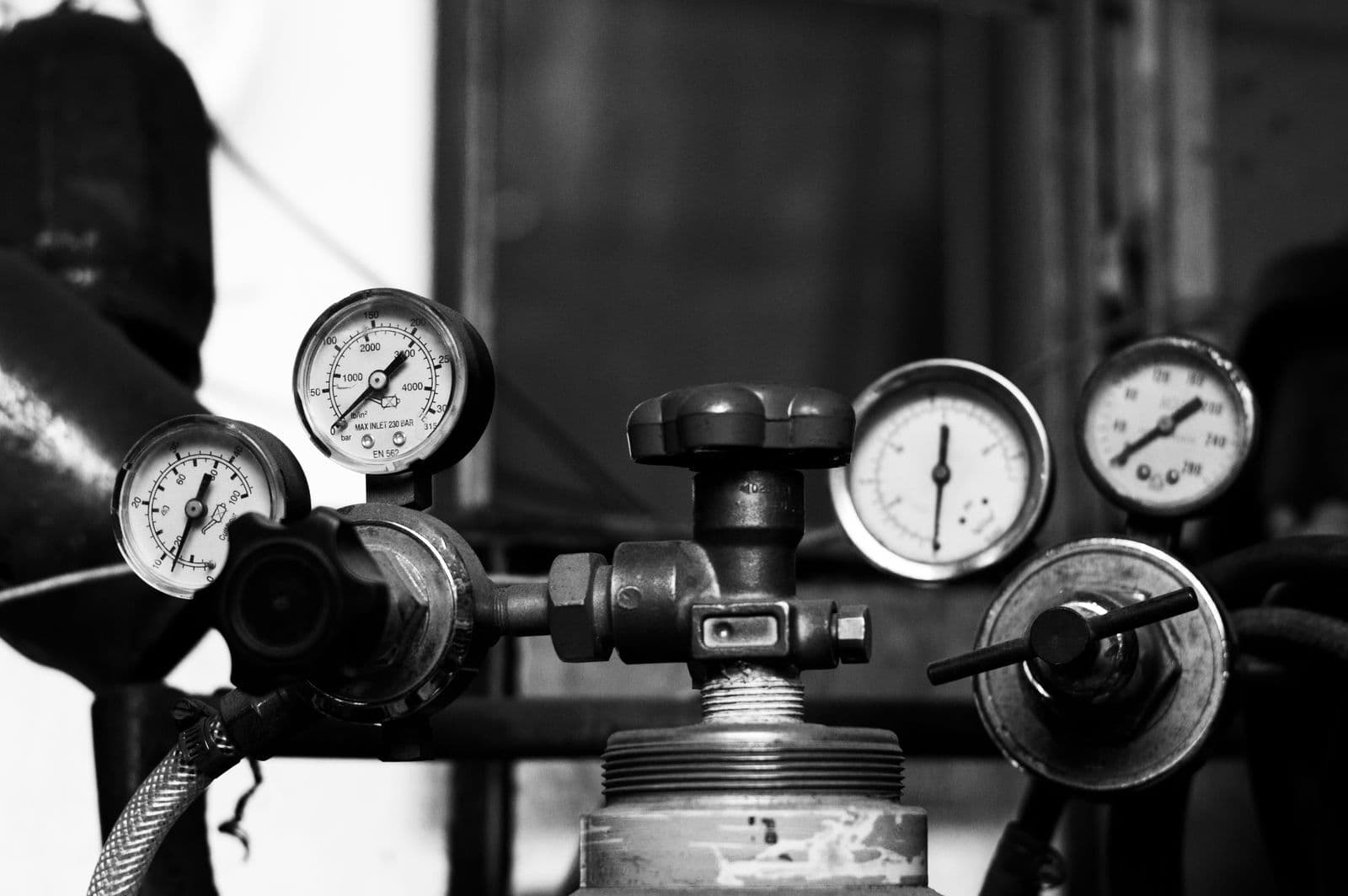
Around 2007 the motoring press briefly agreed the future might be pneumatic. A French company run by a former Formula One engine man had a little car that ran on nothing but compressed air — refillable in minutes at a service station compressor, emitting only cold air, mechanically simple enough to build anywhere. India's Tata Motors signed a licensing deal; headlines promised air cars in showrooms within a couple of years. Nearly two decades on, you cannot buy one anywhere on Earth. What happened is a clean lesson in why energy density, not imagination, decides which propulsion ideas ship.
Compressed air is a real way to store energy — it's how many factories move tools all day. The problem is how little energy fits in a car-sized tank, and how much of it turns to waste heat on the way in and out.
The idea, and why it seduced
Motor Development International (MDI), founded by ex-motorsport engineer Guy Nègre, built prototypes — the AirPod bubble car among them — around a piston engine driven by expanding compressed air from carbon-fibre tanks at around 300 bar. The pitch was disarming: no combustion, no battery pack full of exotic metals, refuelling measured in minutes, a drivetrain a small workshop could maintain, and tanks that (unlike petrol) can't catch fire. Tata's 2007 licence gave the idea industrial credibility, and for a while the AirPod was a fixture of eco-motoring coverage, with airport and city-fleet trials floated.
None of that was fake. Air tools, air starters and air-driven mine locomotives (used underground since the 1800s precisely because they emit nothing) all prove pneumatic power works. The question was never whether air can drive a piston — it was how far.
The arithmetic that wouldn't budge
Three numbers sank the air car:
- Energy density. A tank of air at 300 bar stores only a small fraction of the energy in the same volume of petrol — and substantially less than even a modest battery pack. Real-world range estimates for city prototypes ran to a few tens of kilometres in traffic, against the 100-plus claimed in ideal conditions.
- Compression losses. Squeezing air heats it; that heat mostly radiates away in the tank; the cooled air then chills sharply as it expands in the engine, sapping pressure (and icing components). Round-trip, a large share of the electricity used to compress the air never reaches the wheels — analyses consistently found a battery EV goes several times further on the same input electricity.
- The refill catch. Fast fills at a station compressor waste even more energy as heat, and home compressors turned "minutes" into hours. Either way, the electricity meter — not the air — was always the real fuel gauge.
Independent engineering reviews through the 2010s kept reaching the same verdict: as a way of moving electricity into a car, compressed air was the least efficient container on offer. The AirPod's promised production dates slipped, the Tata partnership went publicly quiet after announcing engine-integration milestones in 2012, and no certified, crash-tested, production air car has ever reached customers.
The half-win: air as a helper, not a fuel
The idea's respectable descendant dropped the "car" part. PSA Peugeot Citroën's Hybrid Air program (unveiled 2013) paired a petrol engine with a hydraulic-pneumatic system that stored braking energy in a compressed-nitrogen accumulator — a clever, battery-free hybrid claiming meaningful city fuel savings. It died not of physics but of economics: PSA couldn't find a partner to share development costs as battery prices tumbled, and the program was shelved. Compressed-gas energy storage thrives today at grid scale, where caverns are big and duty cycles suit it — another case of a technology finding the niche its physics permits, a theme running right through our series on drivetrain roads not taken (opens in a new tab).
What this means if you're buying or selling on MotorLoop
The air car's lesson for buyers is evergreen: when a technology's pitch leads with refuelling time and simplicity but goes quiet on range and efficiency, ask where the energy actually comes from. The efficient version of "cheap, clean city car" turned out to be the small EV and the hybrid — both plentiful when you browse used cars.
Related
- Steam, nuclear and six-stroke: car technologies that never took the road (opens in a new tab)
- Flywheel hybrids and KERS: storing energy in a spinning disc (opens in a new tab)
- Charged on coal: how clean is an EV in Australia, really? (opens in a new tab)
FAQs
Did the Tata air car ever go on sale?
No. Tata licensed MDI's technology in 2007 and announced engine development milestones in 2012, but no production air car from that partnership — or from anyone — has ever been certified and sold to customers. The AirPod remained a prototype and small-trial vehicle.
Are compressed-air cars really zero-emission?
At the tailpipe, yes — the exhaust is cold air. But the tank is filled using electricity, so the true emissions are whatever generated that electricity, minus large compression and expansion losses. A battery EV converts the same electricity into several times more distance, which is why the air car lost on its own environmental terms.
Why do air tools work so well if air cars don't?
Duty and distance. A rattle gun needs short bursts of power fed by a workshop compressor with a wall socket — energy density and round-trip efficiency barely matter. A car must carry its entire energy supply and stretch it over tens of kilometres, which is exactly where compressed air's low storage density and heat losses become disqualifying.