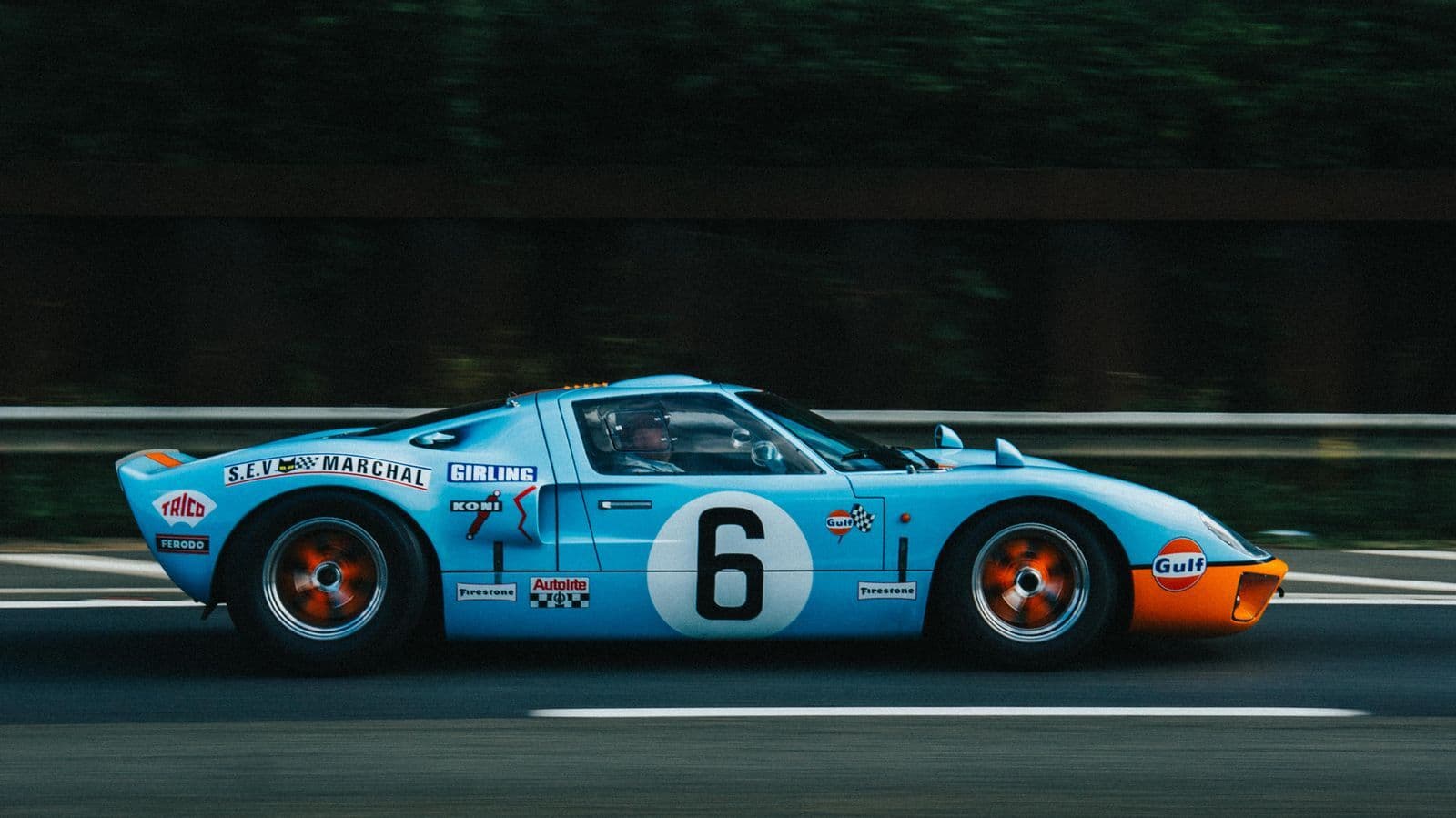
For a fraction of the price of a genuine exotic, Australians have long built and bought the next best thing: kit cars and replicas — Cobra roadsters by the hundred, Lotus Seven descendants, GT40 lookalikes, and the occasional ambitious Countach tribute. It's a legitimate, well-trodden corner of car culture with clubs, specialist builders and decades of history. It's also the corner of the exotic world where paperwork determines whether you own a car or a sculpture, because a home-built or replica vehicle only becomes road-legal through a specific approval pathway — and a car that skipped or fudged that pathway can be nearly worthless. Here's the landscape, honestly hedged: the details differ by state and change over time, so treat this as the map, not the rulebook.
With a kit or replica, you're buying the approval, not the fibreglass. An engineered, properly registered car has cleared the expensive hurdle; an unregistered "project" hasn't — price the difference accordingly.
The legal shape: individually constructed vehicles
A car built by an individual rather than a licensed manufacturer — from a kit, from parts, or from scratch — is generally treated by Australian registration authorities as an individually constructed vehicle (ICV) or similar category. The broad pattern across jurisdictions: the build must demonstrate compliance with applicable safety and construction standards (national guidelines for individually constructed vehicles exist, applied with state variations), the vehicle is examined and certified by an authorised engineering signatory, and only then does it receive registration in its own right. Emissions and safety requirements typically follow rules tied to the vehicle's classification and era-related criteria — one reason many kits are engineered around specific well-understood drivetrains. The non-negotiable practical point: the pathway runs through your state's registration authority and an authorised engineer, and their current published requirements outrank anything a seller, a forum or this article tells you.
Replicas: the extra wrinkle
A replica adds two questions on top of the ICV machinery. First, the same engineering scrutiny applies — a car that looks like a 1960s icon but was built in a shed in 2015 is assessed as the new construction it is. Second, intellectual property is real: iconic shapes and badges have owners, some of whom police replicas actively, which is why established replica manufacturers sell their cars under their own names and why a replica wearing another company's badges occupies legally grey territory. None of this stops the hobby — it shapes which replicas exist as respectable, engineered products versus one-off tributes.
Buying one: the checklist that matters
Buying an existing kit or replica is buying someone else's build quality and someone else's paperwork, so the checks are specific:
- Registration status and history, first. Is it currently registered as an ICV in its state? Continuously? A car that's been off-register for years may face re-examination to return.
- The engineering certificate and build documentation. The certificate, receipts, photos of the build, and the identity of the signatory. Missing documentation isn't a discount — it's a risk transfer to you.
- A PPSR check regardless — kits carry chassis numbers and finance like any car.
- Modification scrutiny since certification. An ICV certified in one configuration and modified afterward re-enters modified-car territory, with the same certification and insurance consequences.
- An inspection by someone who knows the breed. Build quality across home-built cars spans everything from professional to alarming; club referrals are the honest path to an inspector who's seen dozens.
- Insurance reality-check before purchase. Mainstream insurers often can't process an ICV; enthusiast specialists insure them routinely, typically at agreed value — get a quote on the actual car before committing.
The honest appeal
Done right, this corner delivers what much of the exotic world only promises: analogue drama, mechanical simplicity, a genuine building-and-driving community, and performance-per-dollar no badge can match — the spiritual opposite of the tax-stacked imported exotic. The price is diligence. Every unhappy kit-car story starts with skipped paperwork; almost none start with fibreglass.
What this means if you're buying or selling on MotorLoop
Selling a kit or replica? Lead with the paperwork: state of registration, ICV status, engineer's certificate, build documentation — photographed and stated plainly in the listing. That's what serious buyers filter on. Buyers can browse used cars — and a finished build that isn't for sale is a natural fit for a free showcase page.
Related
- Modified cars: what's legal, what needs certifying, and what it does to resale
- Insuring a classic: agreed value, laid-up cover and the questions to ask
- Buying your first exotic car in Australia: the realistic path
- Australia's own supercars: Bolwell, Giocattolo and the Brabham BT62
FAQs
Are kit cars legal in Australia?
Yes, through the individually constructed vehicle pathway: the build must meet applicable construction and safety standards, be certified by an authorised engineering signatory, and be approved by the state registration authority. Requirements vary by state and change over time, so the authority's current published rules are the only reliable source.
Can I build a replica of a famous supercar?
The engineering pathway treats it like any individual construction. The complication is intellectual property — iconic designs and badges have owners, and wearing another company's badges puts a replica in grey territory. Established replica makers sell under their own names for exactly this reason.
What should I check before buying someone else's kit car?
Current ICV registration and its continuity, the engineering certificate and build documentation, a PPSR check, any modifications since certification, an inspection by someone experienced with the breed, and an insurance quote on the actual car. The paperwork is most of the value; fibreglass is the cheap part.