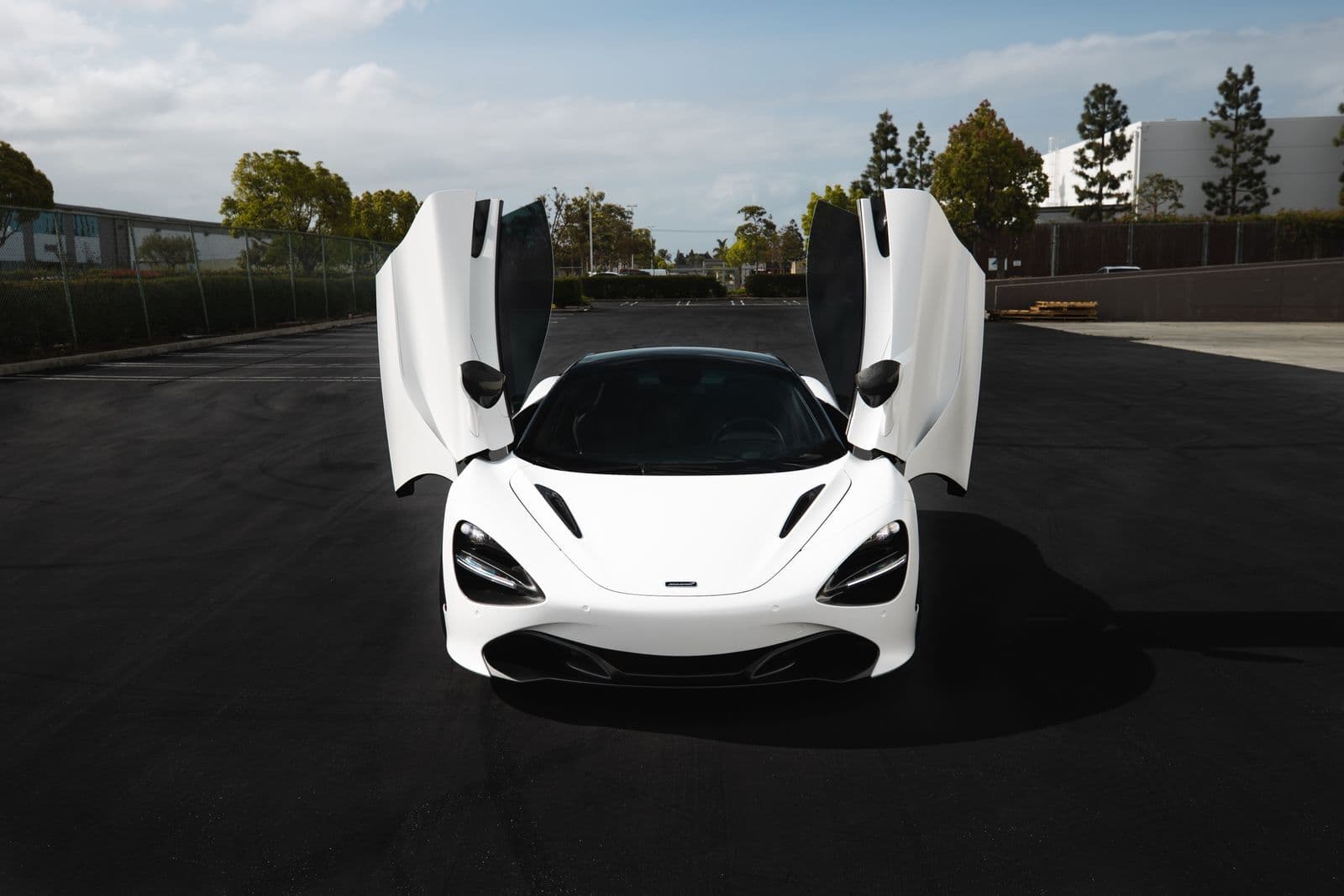
On paper, the argument ended years ago. Electric powertrains deliver instant torque, perfect traction management through individual wheel motors, and acceleration figures that reset the record books — a Croatian startup's electric hypercar has posted performance runs that petrol rivals simply cannot answer. And yet: the established supercar marques keep delaying their electric flagships, hybrid V12s and V8s still headline the price lists, and collectors bid hardest on cars with cylinders. The electric supercar is a genuine engineering triumph wrapped in a genuine market puzzle, and both halves deserve an honest telling.
An electric supercar wins every measurement and loses the argument anyway — because a supercar was never really a measuring instrument. It's theatre, and theatre is the one spec sheet batteries haven't cracked.
The proof cars
Rimac is the movement's headline act: founded by Mate Rimac in Croatia, its Nevera hypercar has recorded a top speed in excess of 400 km/h in verified testing and acceleration times under two seconds to 100 km/h in independent instrumented runs — figures that made it, by most measures, the fastest-accelerating production car of its era. The company's credibility runs deeper than one car: Rimac supplies electrification technology to established marques and, remarkably, now controls Bugatti through a joint venture — the startup absorbed the icon. Lotus's Evija and Pininfarina's Battista round out the first generation: nearly two-thousand-horsepower statements (claimed figures) proving the layout's potential — four motors, torque vectoring beyond any differential's dreams, and packaging freedom no engine allows.
The physics for
The engineering case is real and layered. Instant torque means response no combustion engine matches. Per-wheel motors allow torque vectoring of a precision mechanical systems can't approach — turning cornering itself into software. The mass sits low, helping the centre of gravity even as it grows the total. And there's no gearbox drama, no warm-up, no fragile high-strung engine to maintain — in pure engineering-availability terms, electric is the calmer machine.
The case against, honestly
Weight is the unavoidable tax: batteries with supercar range weigh what several passengers weigh, and mass is the enemy of the agility, braking and tyre life that define the breed — engineers can mask it, not delete it. Sound and ritual cut deeper commercially: a supercar purchase is substantially an emotional one, and the start-up bark, the gearshift, the crescendo are the product as much as the numbers — the V12's stubborn survival is customer-driven, not engineer-driven. Sustained performance is a track-day reality check: repeated maximum-attack laps heat batteries toward power limits, though each generation improves. And the market has spoken in the one language marques hear — several established brands have publicly pushed back EV flagship timelines citing customer demand, while their hybrid halo cars sell out. The trinity's lesson landed as "electrify", not yet as "remove the engine".
The technology watch
Two developments could move the stalemate. Solid-state batteries — lighter, denser, faster-charging — attack the weight tax directly; our solid-state explainer covers why the timeline keeps slipping and why supercars will likely debut the technology when it lands, since halo cars absorb early costs best. And a generation raised on EVs may simply not carry the sound nostalgia — the theatre problem might be generational rather than permanent. The honest current state: electric owns the numbers, hybrids own the market, and the pure-petrol supercar is becoming the collectible precisely because everyone can see the ending.
What it means for Australian buyers
First-generation electric hyper-machines are left-hand-drive unicorns here; the practical relevance is the trickle-down — the same motor, battery and vectoring technology defines today's fast EVs, where battery health and charging reality are the used-buyer checks. Performance-EV depreciation has run steep on volume models — the crater pattern — which makes them extraordinary speed-per-dollar for buyers who go in eyes-open.
What this means if you're buying or selling on MotorLoop
Selling a performance EV? Document battery state-of-health and remaining warranty — they're this segment's service books. Buying? The used market's electric bargains are real; browse used cars with the checks above in hand. Listing is free.
Related
- The hybrid holy trinity: P1, LaFerrari, 918 and what they started
- Solid-state batteries: the EV breakthrough that keeps being five years away
- EV battery life, warranties and what a replacement really costs
FAQs
What is the fastest electric supercar?
Rimac's Nevera has the strongest verified claims of the first generation — a top speed beyond 400 km/h in testing and sub-two-second runs to 100 km/h in independent instrumented tests, making it the fastest-accelerating production car of its era by most measures. Records in this space change hands quickly, so treat any "fastest" as dated the day it's printed.
Why don't Ferrari and Lamborghini sell electric supercars yet?
Their customers keep buying engines. Both marques chose hybrid flagships that preserve their signature engines, and several established brands have publicly slowed EV-flagship plans citing demand. The performance case for electric is proven; the emotional case — sound, ritual, theatre — is the part still unsolved at this end of the market.
Are electric supercars heavier than petrol ones?
Substantially, yes — battery packs with credible range add mass no engineering fully hides, taxing agility, braking and tyres. That's why solid-state batteries matter so much to this segment, and why current electric hypercars lean on torque vectoring and sheer power to offset the weight.