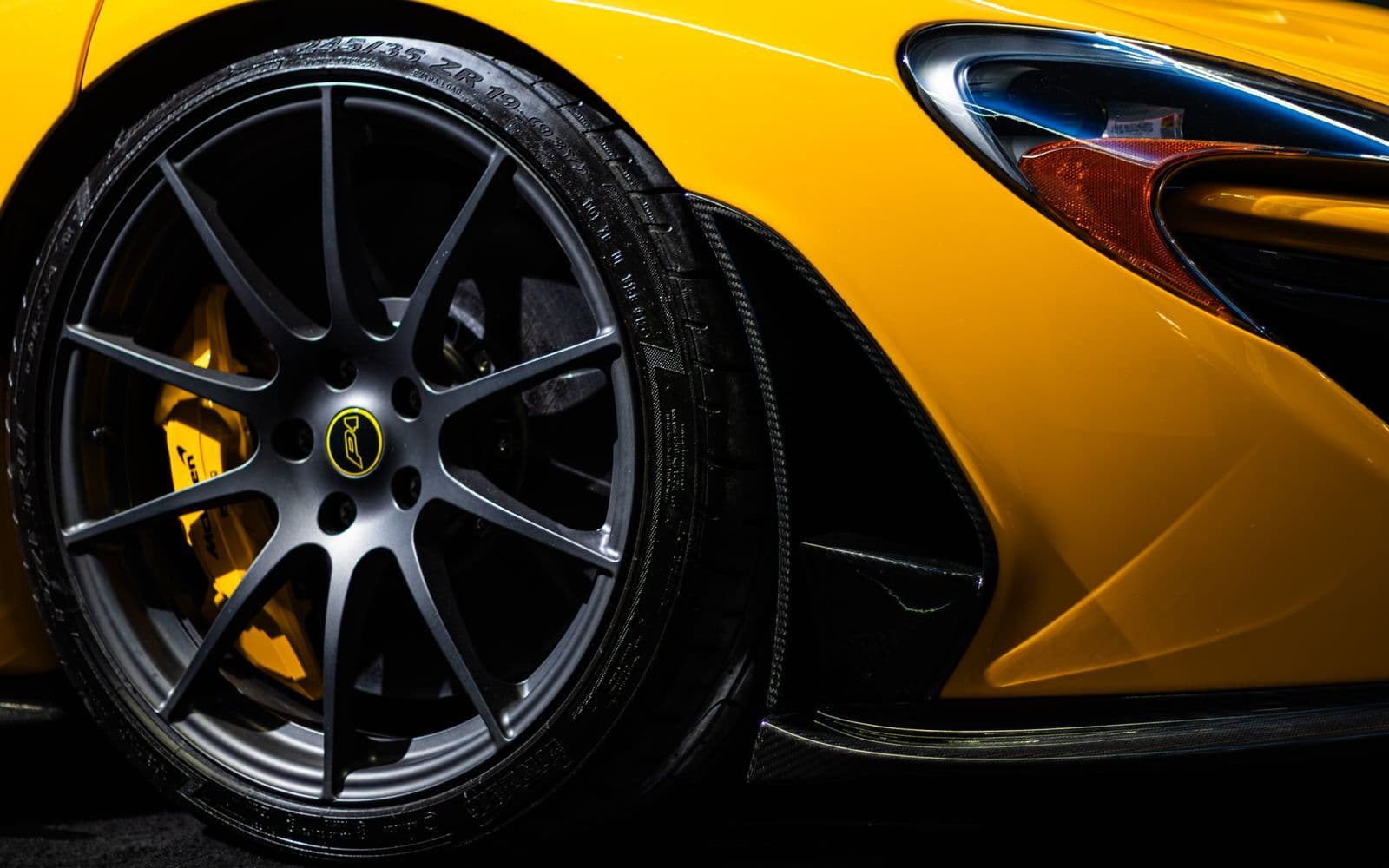
Once in a generation, the top of the car world synchronises. In 2013 it happened almost to the month: McLaren's P1, Ferrari's LaFerrari and Porsche's 918 Spyder — three flagship hypercars from the three most credentialed sports-car makers alive, all launched into the same news cycle, all built around the same then-heretical idea. Hybrid power, until that moment the badge of the pious commuter, was suddenly the technology of the fastest road cars on Earth. Enthusiasts named them the holy trinity, the comparison tests became a genre of their own, and the industry took the lesson that mattered: electrification could be made desirable. Everything from today's hybrid V12 flagships to the torque-fill turbo hatch descends from that year.
The trinity's real achievement wasn't speed — it was reframing. Three marques spent their halo budgets proving batteries belonged in dream cars, and the whole industry's electrification argument got easier from that day.
Three answers to one question
What made the moment fascinating is that the three cars agreed on the question — can hybridisation make a hypercar better, not just cleaner? — and disagreed on everything else:
- McLaren P1: the aggressor. Twin-turbo V8 plus electric motor, brutal aero (huge active wing), track-weapon character; the electric system existed chiefly to fill turbo lag and add violence. Limited to 375 units.
- LaFerrari: the purist's paradox. A naturally-aspirated V12 — Ferrari's identity organ — with the hybrid system (KERS-derived, as the marque was keen to note from its Formula One program) bolted on purely for performance; no plug, no electric-only mode. Around 499 coupés plus a later open series.
- Porsche 918 Spyder: the scientist. Plug-in hybrid with genuine electric-only range, all-wheel drive via a front electric axle, and the everyday usability Porsche cannot help itself from engineering. 918 units, fittingly — and the car whose architecture (plug-in, e-axle) reads most like the decade that followed.
Production numbers, prices and lap-time bragging rights varied; all three sold out, and all three have traded well above their list prices since — textbook hero-car behaviour, though as ever past results guarantee nothing.
Where the technology went next
The trinity's parts bin dispersed downhill with remarkable speed. Electric torque-fill — masking turbo lag with instant motor response — became the signature of a generation of hybrid performance cars. Brake-by-wire blending regenerative and friction braking, wrestled into acceptable pedal feel at hypercar prices, now ships in ordinary EVs. The e-axle all-wheel-drive layout the 918 used is now the default architecture of fast EVs and hybrid SUVs alike. And strategically, the trinity legitimised the path both Ferrari and Lamborghini later took with hybrid flagships of their own: the customer resistance died in 2013.
The sequel problem
The trinity also taught an awkward lesson: synchronised lightning doesn't strike on demand. The successors — McLaren's and Ferrari's next hypercars, Mercedes-AMG's Formula-One-engined Project One, Aston's Valkyrie — arrived scattered across years, some famously delayed by the sheer difficulty of the technology, and no later moment has reproduced the 2013 alignment. Meanwhile the question the trinity answered has inverted: the frontier debate is no longer whether batteries belong in hypercars but whether engines still do — the subject of this series' upcoming look at fully electric supercars, and of the countervailing V12 resistance movement covered soon after.
What it means for buyers here
Trinity cars trade in a rarefied private-sale and auction tier (and rarely on Australian soil — right-hand-drive allocations were tiny). Their relevance to a realistic buyer is downstream: the hybrid performance systems in today's attainable fast cars are the trinity's grandchildren, and the used-market lesson stands — limited-run halo hybrids have held value spectacularly, while early volume hybrid performance cars depreciated like any complex used car, with battery-health questions to check per our EV battery guide.
What this means if you're buying or selling on MotorLoop
Hybrid performance cars are now a real used segment, and listings win by answering the new questions: battery health, hybrid-system service history, warranty balance on the electrical components. Sellers who document those sell faster. Listing is free — browse used cars to see the trinity's trickle-down in the metal.
Related
- Ferrari's road to icon status: the models that made the marque
- The McLaren F1 and the road cars it inspired
- The Porsche 911: the everyday exotic
- EV battery life, warranties and what a replacement really costs
FAQs
What is the supercar "holy trinity"?
The three hybrid hypercars launched almost simultaneously in 2013: McLaren's P1, Ferrari's LaFerrari and Porsche's 918 Spyder. The name stuck because three rival flagships arriving together, all proving hybrid power could serve performance rather than economy, made a once-in-a-generation moment.
Which holy trinity car was best?
The era's comparison tests split on priorities rather than crowning one: the P1 was the track aggressor, the LaFerrari the emotional V12 purist's car, the 918 the technical all-rounder with real electric range. All three sold out and have appreciated since — the market declined to pick a loser.
What did the holy trinity change about ordinary cars?
It made electrification aspirational and its technology mainstream: electric torque-fill for turbo engines, blended regenerative brake-by-wire, and the front e-axle all-wheel-drive layout all descended from that tier into everyday hybrids and EVs within a decade.